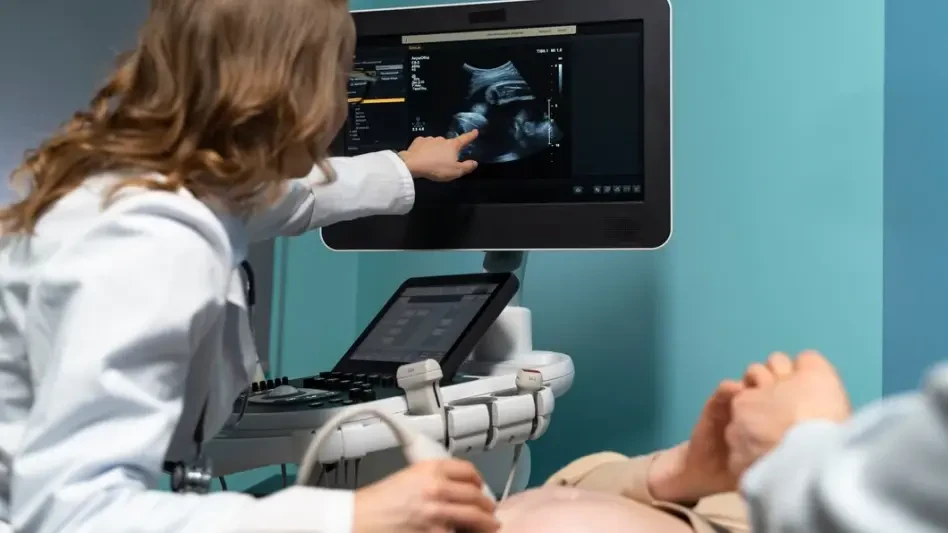

Deep within the bustling corridors of modern healthcare, a critical diagnostic capability is under unprecedented strain, creating a paradox of delayed patient care and immense professional opportunity. The workforce of skilled medical sonographers, the professionals responsible for operating ultrasound equipment, is not keeping pace with surging clinical demand. This growing imbalance is sending ripples across the healthcare landscape, challenging hospital operations while simultaneously illuminating a secure and rewarding career path for a new generation of specialists. This report analyzes the forces driving this shortage, its profound impact on patient outcomes, and the industry-wide response aimed at closing the gap.
The Unseen Heroes of Modern Diagnostics Understanding Sonographys Critical Role
Diagnostic Medical Sonography provides a non-invasive window into the human body, using high-frequency sound waves to create real-time images of organs, tissues, and blood flow. Unlike other imaging modalities such as X-rays or CT scans, sonography does not use ionizing radiation, making it an exceptionally safe tool for a wide range of patient populations, including expectant mothers and those requiring frequent monitoring. This technology forms the bedrock of modern diagnostics, offering clinicians a dynamic view of internal structures without surgical intervention.
While often associated with obstetrics and prenatal care, the application of sonography extends far beyond monitoring fetal development. In cardiology, echocardiograms are essential for assessing heart function. In oncology, ultrasound guides biopsies and tracks tumor response to treatment. For emergency care, it allows for the rapid assessment of internal injuries. Sonographers are not merely technicians; they are integral members of the diagnostic team whose expertise in acquiring and interpreting images directly influences clinical decision-making and patient management.
The Perfect Storm Analyzing the Forces Driving Unprecedented Demand
An Aging Population and Evolving Clinical Needs
A primary driver of the increased demand for sonography is the demographic shift toward an older population. As people live longer, the prevalence of chronic conditions requiring consistent monitoring, such as cardiovascular disease and certain cancers, rises significantly. Ultrasound offers a safe, repeatable, and cost-effective method for managing these conditions over the long term, making it a cornerstone of geriatric medicine and preventative care.
This demographic pressure is compounded by a growing clinical preference for ultrasound over more invasive or radiation-based procedures. Its safety profile, combined with its relative speed and portability, has made it the go-to diagnostic tool in an expanding list of medical scenarios. From musculoskeletal injuries to vascular assessments, the list of conditions diagnosed and managed with ultrasound is constantly growing, solidifying its place as an indispensable element of modern medical practice.
Gauging the Gap The Data Behind the Staffing Crisis
The numbers paint a clear picture of a staffing crisis. Vacancy rates for sonographers and other imaging professionals are at historic highs, with healthcare facilities nationwide struggling to fill open positions. The chasm between the number of available jobs and the number of qualified candidates entering the workforce is widening each year, creating a significant market imbalance that puts immense pressure on existing staff.
Growth projections indicate that this trend is not temporary. The demand for sonography professionals is expected to continue its upward trajectory well into the next decade, far outpacing the graduation rates of accredited training programs. This supply-and-demand dynamic has created a job seeker’s market, where qualified sonographers have their choice of opportunities, competitive salaries, and significant career leverage.
When Demand Outstrips Supply The Ripple Effect on Patient Care
The most significant consequence of the sonographer shortage is its direct impact on patient access to care. With fewer specialists available, wait times for non-urgent ultrasound appointments have grown, leading to imaging backlogs that can delay critical diagnoses. These delays can postpone the initiation of necessary treatments, potentially allowing conditions to progress and leading to poorer health outcomes for patients.
This staffing deficit creates considerable operational strain on hospitals and clinics, forcing them to do more with less. Existing sonographers often face increased workloads and burnout, which can affect the quality of care. The impact is particularly acute in urgent settings, where delayed imaging for prenatal complications or time-sensitive cardiac events can have severe, and sometimes irreversible, consequences.
Mobilizing for the Future Industry and Educational Responses to the Crisis
In response to this growing crisis, educational institutions and government bodies are collaborating to expand the pipeline of new sonographers. Initiatives are underway to increase enrollment capacity in existing sonography programs and establish new ones in underserved areas. These efforts are focused on attracting a diverse pool of candidates and providing the foundational knowledge required to enter this demanding field.
Simply increasing enrollment is not enough; the quality of education must also evolve. Training programs are actively modernizing their curricula to reflect the latest clinical standards and technological advancements. This includes upgrading imaging equipment to give students experience with state-of-the-art technology and integrating instruction on new digital workflows and specialized imaging techniques that are becoming common in clinical practice.
A Career in Focus Why Sonography is a Profession of the Future
A career in sonography requires a unique blend of technical proficiency, critical thinking, and interpersonal skills. Professionals must master complex imaging technology while simultaneously demonstrating strong analytical abilities to identify anatomical abnormalities in real time. This is combined with direct patient interaction, requiring empathy and clear communication to guide patients through procedures and ensure their comfort.
As medical imaging technology continues to innovate, the need for adaptable sonographers will only intensify. The profession is moving toward more sophisticated digital workflows, artificial intelligence-assisted diagnostics, and specialized techniques. Those who are skilled in these new technologies will be particularly valuable, ensuring the sonographer remains an essential, human-in-the-loop component of the diagnostic process.
Seizing the Opportunity The Enduring Value of a Sonography Career
This report highlighted how the convergence of demographic trends and clinical preferences has created a profession defined by exceptional job security and long-term stability. The persistent gap between the supply of and demand for skilled sonographers has solidified its value within the healthcare industry, insulating it from the economic volatility that affects many other sectors.
For students exploring future professions and career changers seeking a more stable and impactful field, sonography has emerged as a prime opportunity. The clear and sustained demand ensures that graduates of accredited programs enter a market with abundant prospects for employment and professional advancement. This makes it an attractive and pragmatic choice for anyone looking to build a lasting career in healthcare.
Ultimately, the analysis concluded that the sonographer shortage presents a unique proposition. It offers the dual benefit of building a rewarding and secure career while simultaneously helping to solve one of modern healthcare’s most pressing workforce challenges. By choosing this path, individuals are not only securing their own professional future but also playing a direct role in improving patient outcomes and strengthening the diagnostic capabilities of the entire medical system.