
The traditional delay between the onset of a worrying medical symptom and the first word of professional advice has long been a source of anxiety and escalating costs for millions of workers. In an industry where wait times for appointments often stretch into weeks, the ability to receive a clinical evaluation in less than a minute represents a seismic shift in patient expectations. Quantum Health’s recent acquisition of CirrusMD marks a definitive end to the era of passive navigation, replacing it with a model of immediate, physician-led intervention for over 20 million members.
Bridging the 60-Second Gap in Clinical Intervention
Modern healthcare is often a race against time, yet the hurdles of administrative red tape usually slow the patient down. By integrating CirrusMD into its ecosystem, Quantum Health has effectively removed the traditional “waiting room” from the virtual experience. This connection ensures that a member can engage with a doctor via a text-based platform in under a minute, providing a level of accessibility that was previously unimaginable in employer-sponsored plans.
This rapid response does more than just soothe patient concerns; it serves as a critical junction for medical decision-making. When a physician can weigh in within seconds, the likelihood of a patient defaulting to an expensive and unnecessary emergency room visit drops significantly. The model focuses on capturing the patient at the very moment a health need arises, ensuring that the first step taken is the most clinically appropriate and cost-effective one.
The Evolution of Employer-Sponsored Care: From Navigation to Intervention
For years, the role of care navigation was largely restricted to helping employees understand their benefits or find an in-network provider. However, the rising complexity of healthcare demands a more aggressive approach that blends guidance with actual treatment. This acquisition signals a transition toward “interceptive” care, where the navigator doesn’t just point to a door but opens it and provides the doctor on the other side.
Employers are increasingly seeking these unified solutions to combat the fragmentation that drives up insurance premiums and reduces workforce productivity. By merging navigation with instant clinical access, companies can offer a seamless benefit that handles everything from acute illness to chronic disease management. This holistic strategy moves away from the “point solution” fatigue that has plagued HR departments, offering a single, powerful tool for health management.
Integrating the Real-Time Intercept Model with Text-Based Clinical Care
The technical heart of this merger lies in the synergy between Quantum Health’s Real-Time Intercept (RTI) technology and CirrusMD’s physician-led messaging. The RTI framework uses data triggers to identify when a member is seeking care, and the integration now allows the system to instantly offer a virtual consultation. This 24/7/365 availability ensures that clinical expertise is always “on,” regardless of the hour or the member’s location.
Unlike traditional video-based telehealth, which can still feel formal or require scheduling, the text-first approach mirrors how people communicate in their daily lives. This lower barrier to entry encourages members to seek help for minor issues before they escalate into major medical events. The result is a proactive healthcare environment where preventative and primary care are woven into the fabric of the digital experience, rather than being treated as separate, inconvenient tasks.
Leadership Vision: The Synergy of Unified Healthcare Data
Dayne Williams, CEO of Quantum Health, has positioned this move as a vital step in leveraging “right-time” intervention to improve patient outcomes. The strategy is bolstered by the organizational decision to keep CirrusMD as a distinct business unit under the leadership of Jamie Hall. This structure allows the virtual care provider to maintain its innovative edge while benefiting from the massive data sets and analytical power of the parent company.
This acquisition follows a series of strategic investments, including the purchase of Embold Health and the implementation of agentic AI tools. These technologies work in tandem to analyze provider quality and predict health risks before they manifest. By combining deep data analytics with immediate clinical access, the organization has created a feedback loop where data informs care, and care provides the data needed to refine future interventions.
Strategies for Optimizing the Employee Healthcare Journey
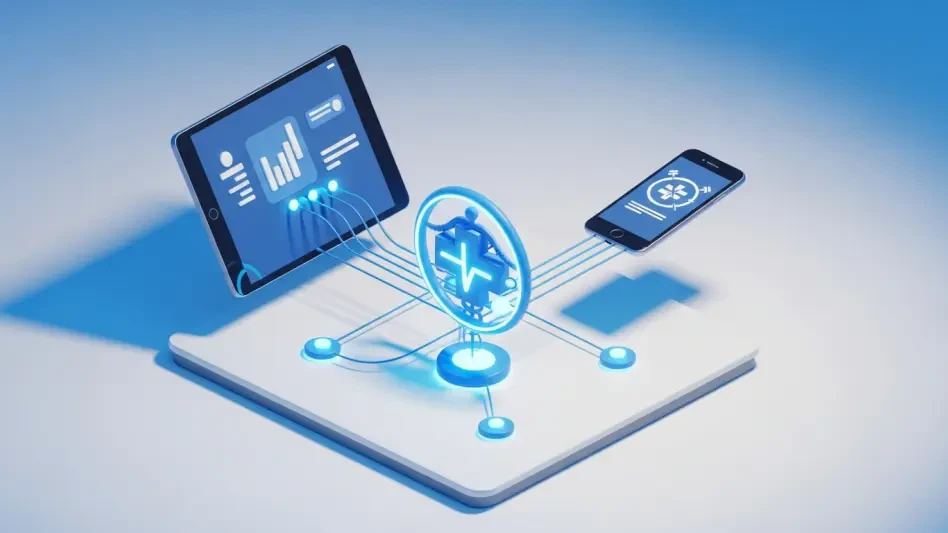
To realize the full potential of this unified model, the focus remained on removing the friction points that typically discourage employees from using their benefits. The integrated system synthesized navigation and virtual care into a single entry point, eliminating the need for members to juggle multiple apps or phone numbers. This streamlined journey provided a clear, cohesive path from the first symptom to a resolved clinical case.
The transition toward this integrated clinical model set a new benchmark for how corporate wellness programs functioned. By prioritizing speed and data transparency, the organization helped employers stabilize their healthcare spending while significantly improving the employee experience. Moving forward, the industry watched as this data-driven, instant-access approach redefined the standards for clinical excellence and member engagement across the country.