
Faisal Zain stands at the forefront of the digital transformation in healthcare, bringing years of expertise in medical technology and diagnostic innovation to the table. His work focuses on bridging the gap between complex engineering and the practical needs of frontline clinicians, particularly in resource-constrained environments. By championing the integration of artificial intelligence within electronic health records, he has helped redefine how primary care providers manage chronic diseases and acute interventions. This conversation explores the practical application of AI platforms in rural health settings, the evolution of clinical decision support, and the strategies used to build trust among medical professionals.
In rural regions where patients often travel several hours for a single appointment, how does point-of-care AI specifically optimize these limited windows of time? Can you describe a scenario where surfacing trends, like ejection fraction or lab results, prevented the need for a return visit or specialist referral?
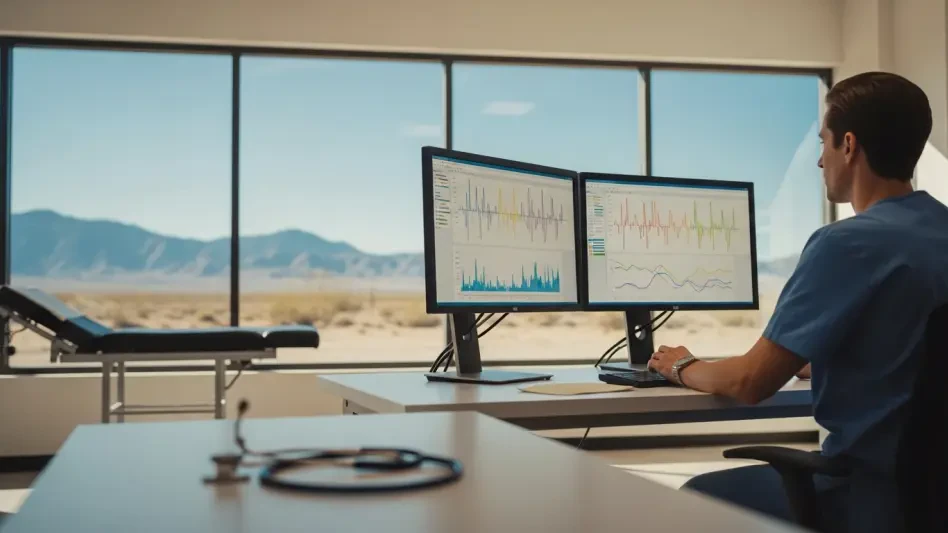
In a state like New Mexico, the geography itself is a barrier to care, and we have to make every minute of a face-to-face visit count. When a patient travels three hours one way, a clinician cannot afford to spend twenty minutes digging through historical files; they need the “story” of the patient immediately. For instance, instead of hunting through years of fragmented specialist notes, a provider can now instantly pull up a trend line for a patient’s ejection fraction from multiple echocardiograms. Seeing that a heart’s pumping capacity has dropped from 50% to 40% in real-time allows the doctor to adjust heart failure medications right then and there. This immediate insight often prevents the patient from having to schedule a separate follow-up or a long trip to a distant specialist, ensuring the care is completed in a single, efficient window.
Custom-building clinical decision tools for specific conditions like diabetes often proves too complex to scale effectively. What specific technical or clinical hurdles did you face during that transition, and how does a broader platform now manage the nuances of over 200 different medical conditions simultaneously within the workflow?
When the health system initially attempted to build its own clinical decision support for diabetes, it hit a wall of complexity regarding the vast variability of patient data and the sheer effort required to maintain evidence-based rules. Developing a bespoke tool for just one condition is labor-intensive, but scaling that logic to hundreds of other diseases is virtually impossible for a single hospital IT team. By moving to a broader AI-driven platform, we shifted from a narrow, manual approach to one that handles over 200 conditions, ranging from common hypertension to rare infections and progressing kidney disease. This platform works within the existing Epic EHR, using advanced algorithms to recognize patterns across a massive spectrum of clinical indicators simultaneously. It removes the burden of manual programming, allowing the system to surface relevant gaps in care for almost any patient who walks through the door.
Clinical workflows are often hindered by the “hunt and peck” of EHR navigation. Since the broader rollout of this AI assistant, what measurable changes have you seen in clinician efficiency, and how does the interface specifically reduce the cognitive load of searching through years of specialist notes?
The feedback from our clinicians has been overwhelmingly positive, particularly regarding the reduction of “chart fatigue.” Since the broader rollout to 200 clinicians last December, the AI assistant has been utilized more than 20,000 times, which is a staggering testament to its utility in daily practice. Providers report that they are spending significantly less time in the “hunt and peck” phase of chart review because the tool pulls the most pertinent clinical data to the surface automatically. By eliminating the need to manually scan through decades of notes to find a specific lab result or a specialist’s recommendation, the AI lowers the cognitive load. This allows the physician to keep their eyes on the patient and their mind on the diagnosis rather than on the computer screen.
When scaling new technology, why is it beneficial to include both enthusiastic adopters and vocal skeptics in the initial pilot group? What specific feedback did those skeptics provide that helped refine the tool’s workflow and build trust before it was deployed to hundreds of clinicians statewide?
We intentionally started with a small pilot group of nine clinicians that included both tech-savvy early adopters and those who were deeply skeptical of AI. The enthusiasts help us push the boundaries of what the tool can do, but the skeptics are the ones who ensure the tool is actually practical and trustworthy. The skeptics forced us to refine the workflow, making sure the AI wasn’t just adding “noise” or unnecessary alerts that lead to burnout. Their rigorous questioning helped us validate the accuracy of the recommendations, which was essential for building the trust needed to expand the system to the wider group of 200 providers. This “trial by fire” ensured that by the time we launched statewide, the tool was seen as a helpful assistant rather than a technical burden.
Identifying subtle declines in chronic conditions can be difficult during a brief primary care visit. How does the system flag a patient’s worsening status in real-time, and what is the step-by-step process for a clinician to validate these automated recommendations before adjusting medications or ordering tests?
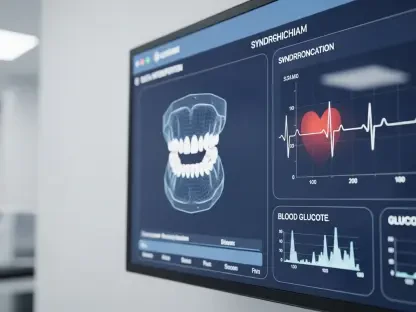
The system acts as a persistent digital observer, scanning the longitudinal record for subtle shifts that might escape the naked eye during a standard fifteen-minute appointment. For example, it can flag a creeping rise in creatinine levels or a slight but consistent increase in blood pressure over several months, signaling a worsening condition like chronic kidney disease. When the system identifies these trends, it presents an evidence-based recommendation directly within the EHR workflow. The clinician then reviews the supporting data—such as the specific lab trends or recent specialist findings—to validate the AI’s suggestion. Only after this clinical “sanity check” does the provider proceed to order new tests or adjust a medication, ensuring that the AI assists human judgment rather than replacing it.
What is your forecast for the future of AI-driven precision care in rural healthcare systems over the next decade?
I believe that over the next ten years, AI will become the foundational “operating system” for rural medicine, effectively erasing the geographic disadvantages that have plagued these communities for decades. We will see a shift where AI doesn’t just surface data, but proactively predicts health crises before they occur, allowing for preventative interventions in the home. Remote monitoring data will flow seamlessly into these AI platforms, giving rural primary care doctors the same diagnostic “superpowers” as those in the world’s leading urban academic centers. Ultimately, this technology will ensure that the quality of care a patient receives is determined by the latest medical science, not by the number of miles they live from a major city.