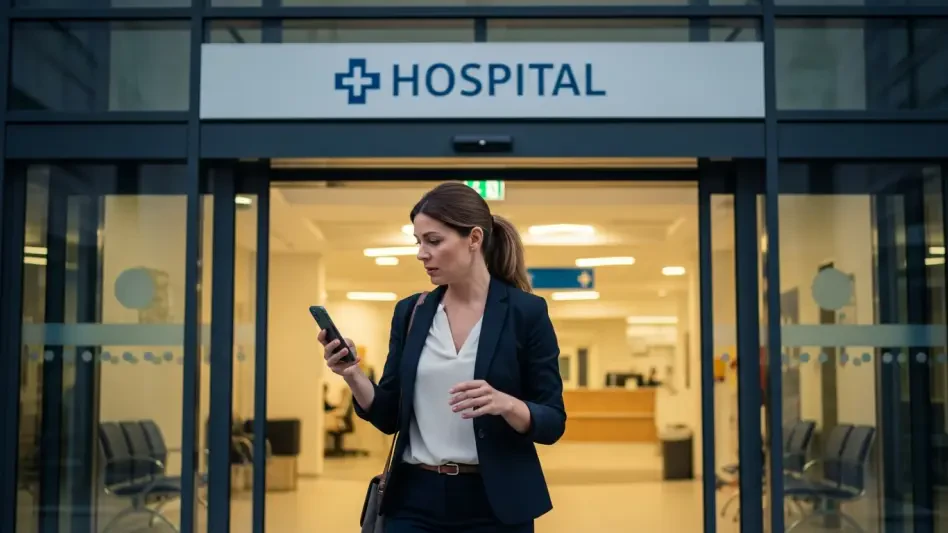

The disorienting experience of navigating a vast, labyrinthine hospital campus, with its confusingly similar corridors and complex signage, has long been a universal source of stress for patients and their families. This challenge, which often adds anxiety to an already difficult day, is now being directly addressed by a powerful technological partnership. A new integration embeds a sophisticated indoor navigation system directly into MyChart, the most widely used patient portal in the United States, promising to transform frustrating journeys into seamless, guided experiences. By placing a digital compass in the palm of every patient’s hand, this collaboration aims to eliminate the maze-like nature of healthcare facilities for good.
Ending the Maze: A Digital Compass for Hospital Visits
For countless individuals, the path to receiving care is fraught with logistical hurdles before they even see a doctor. The simple act of finding the right building, the correct floor, and the specific clinic can feel like an overwhelming task, contributing to late arrivals and missed appointments. This friction not only heightens patient anxiety but also disrupts the carefully managed schedules of healthcare providers, creating a ripple effect of inefficiency throughout the system.
The significance of integrating an indoor GPS-like feature into an app as ubiquitous as MyChart cannot be overstated. It represents a fundamental shift from expecting patients to navigate complex physical spaces on their own to proactively guiding them through every step of their journey. This solution acknowledges that a positive patient experience begins long before the clinical encounter, starting from the moment they arrive on campus. By embedding this functionality within a trusted digital tool, healthcare systems are making a clear statement about their commitment to a more patient-centered and stress-free model of care.
The Technology Behind the Solution: MyChart and Gozio
At the heart of this innovation are two industry-leading platforms. Epic’s MyChart serves as the digital front door for a majority of patients across the nation. It is the primary hub through which they manage nearly every aspect of their healthcare, from scheduling appointments and viewing lab results to communicating with their care teams. Its deep integration into the clinical workflow and its widespread adoption make it the ideal vehicle for introducing new patient-facing technologies that can achieve immediate, large-scale impact.
Complementing MyChart’s reach is the specialized expertise of Gozio Health, a company dedicated to mastering location-aware technology for complex indoor environments. Gozio has carved out a niche in the healthcare sector by developing a sophisticated, mobile-first wayfinding platform that provides precise, real-time navigation. Its signature “blue-dot” technology functions as an indoor GPS, delivering the kind of intuitive, turn-by-turn guidance that users have come to expect from consumer applications like Google Maps, but tailored specifically to the unique challenges of medical campuses.
Core Features of the Gozio Wayfinding Integration
Real-Time, “Blue-Dot” Navigation
The core of the integration is its ability to provide users with a real-time, moving blue dot on a digital map, accurately representing their position within the hospital. This dynamic visual cue moves as the patient walks, offering constant reassurance that they are on the right path. The system delivers clear, step-by-step instructions that guide them from their starting point, such as a parking garage, all the way to their final destination, whether it’s a specific imaging department, a laboratory, or a doctor’s office tucked away in a remote wing.
This level of granular direction is designed to eliminate guesswork and provide a confident, self-directed journey. The platform’s intelligence can calculate the most efficient route, accounting for elevators, stairs, and accessible pathways. By breaking down a complex trip into a series of simple, manageable steps, the technology empowers patients to navigate with the same ease and familiarity as they would navigate city streets, fundamentally transforming the on-campus experience.
Seamless Experience within MyChart
A crucial element of this solution’s design is its seamless integration into the existing MyChart application. Patients are not required to download, learn, or manage a separate app for wayfinding. Instead, the navigation feature is embedded directly within the familiar MyChart interface, accessible as a natural extension of the tools they already use to manage their appointments. This approach dramatically lowers the barrier to adoption and avoids the digital fragmentation that often plagues healthcare technology.
For health systems, the path to implementation is similarly streamlined. The Gozio wayfinding functionality is made available to Epic customers through the Epic Toolbox, simplifying the process of activating the feature for their patient populations. This ease of deployment ensures that providers can quickly offer this valuable service without undertaking a complex, resource-intensive IT project, allowing them to focus on the strategic benefits of enhancing the patient journey.
Improving Patient Flow and Reducing Missed Appointments
The practical benefits of intuitive directions extend well beyond patient convenience. By ensuring patients can find their destinations efficiently, the technology directly addresses the persistent operational challenge of late arrivals and missed appointments. When patients arrive on time and without the added stress of being lost, clinics can maintain their schedules more effectively, reducing wait times for everyone and preventing the cascading delays that disrupt an entire day’s workflow.
This improvement in patient flow translates into significant operational gains for the health system. Front-desk staff and even clinical personnel, who frequently interrupt their duties to provide directions, are freed to concentrate on patient care and administrative tasks. The result is a more efficient, predictable, and productive clinical environment, where resources are optimized and the focus remains squarely on delivering high-quality care.
A Strategic Advantage in Patient Engagement
What truly sets this integration apart is its strategic decision to meet patients on a platform they already know and trust. By embedding wayfinding within MyChart, health systems can leverage the portal’s existing user base to drive adoption of a critical support service. This tactic avoids the common pitfall of launching standalone apps that struggle to gain traction and instead enriches the central digital tool that patients use most frequently.
This approach strengthens the role of MyChart as the definitive “digital front door” for the health system. Every positive interaction with the app, including a stress-free navigation experience, deepens patient engagement and reinforces their connection to the provider. In a competitive healthcare landscape, providing such a tangible and helpful digital service creates a powerful differentiator, fostering loyalty and demonstrating a genuine commitment to improving the entire care journey, both online and in person.
The Integration in Action: Launch and Early Adoption
The Gozio wayfinding integration is no longer a concept but a reality available to health systems. Since its official release in the November MyChart update, Epic customers have had the ability to implement this cutting-edge feature. This widespread availability marks a significant milestone in making advanced indoor navigation a standard component of the digital patient experience.
Highlighting the system’s real-world application and scalability is the launch partnership with UK HealthCare. As a major academic medical center encompassing four hospitals and more than 80 specialized clinics, UK HealthCare represents the ideal environment to showcase the technology’s capabilities. Their early adoption demonstrates the value that large, complex health organizations see in providing a unified digital experience, where managing an appointment and navigating to it are part of the same seamless workflow.
Reflection and Broader Impacts
The Dual Benefit: Enhancing Experience and Efficiency
The strength of the Gozio and MyChart integration lay in its powerful dual value proposition. On one hand, it directly confronted a major source of patient anxiety, transforming a potentially confusing and stressful visit into a predictable and guided journey. This focus on improving the human experience was a critical step in building patient trust and satisfaction.
On the other hand, the technology delivered tangible operational efficiencies for healthcare organizations. By automating the task of giving directions, it freed up valuable staff time, allowing front-desk personnel and clinicians to focus on their primary responsibilities. This simultaneous improvement in both patient experience and internal efficiency made the integration a strategic investment with a clear and compelling return.
The Future of the “Digital Front Door”
In retrospect, this collaboration represented a pivotal moment in the evolution of the “digital front door” in healthcare. It pushed the concept beyond virtual interactions like appointment scheduling and telehealth to encompass the physical realities of receiving in-person care. This fusion of the digital and physical realms was a key step toward creating a truly unified and holistic patient experience.
The integration set a new precedent for what patients could expect from their healthcare providers’ digital tools. It signaled a future where a single, central hub like MyChart could manage every facet of the care journey, from initial scheduling to post-visit follow-up, with seamless navigation of the on-campus experience included as a standard feature.
Charting a Clearer Path Forward in Healthcare
The integration of Gozio’s advanced wayfinding technology into the MyChart platform directly addressed a long-standing and significant pain point in the patient journey. By providing an intuitive, GPS-style navigation system within the most widely used patient portal, the partnership offered a practical and elegant solution to the challenge of navigating complex medical facilities.
Ultimately, this initiative did more than just help patients find their way; it set a new standard for patient-centered care. The successful merger of a sophisticated digital tool with the physical demands of a hospital visit demonstrated a deeper understanding of the patient experience. This thoughtful approach, which used technology to remove barriers and reduce stress, charted a clearer and more compassionate path forward for healthcare delivery.