
For countless new mothers, the profound exhaustion and persistent body aches of the postpartum period are often dismissed as the standard toll of childbirth and newborn care.
The Fourth Trimester’s Hidden Crisis: When the Immune System Turns Against New Mothers
The period after childbirth, often called the fourth trimester, brings a cascade of dramatic hormonal and immunological shifts. As the body recalibrates from pregnancy, this volatile internal environment can become a breeding ground for autoimmune disorders, either triggering their initial onset or causing severe flare-ups of pre-existing conditions. This upheaval transforms a time meant for bonding and recovery into a period of silent, often undiagnosed, suffering.
The scale of this issue is immense and disproportionately affects women, who already represent 80% of the 50 million Americans living with an autoimmune disease. This makes the postpartum window a uniquely high-risk time, yet it remains a critical blind spot in conventional women’s healthcare. This gap highlights an urgent need for innovative solutions designed to support mothers when they are most vulnerable.
The Postpartum Blind Spot: Unpacking an Overlooked Epidemic
Beyond Baby Blues: How Postpartum Symptoms Mask a Deeper Autoimmune Struggle
Symptoms like debilitating fatigue, joint pain, hair loss, and mood instability are hallmarks of the postpartum experience. However, they are also classic signs of autoimmune dysfunction. The routine normalization of these complaints often leads to them being dismissed as “baby blues” or the expected exhaustion of new motherhood, causing significant delays in diagnosing underlying conditions.
To address this diagnostic challenge, advanced tools can offer clarity where symptoms overlap. Specialized hormonal testing, such as that utilized by digital health company WellTheory, provides a deeper look by assessing cortisol, sex hormones, and various metabolites. This data helps uncover the root causes of a new mother’s distress, moving beyond symptom management. The conventional six-week postpartum check-up is increasingly seen as inadequate for identifying and managing such complex, chronic health issues that require ongoing surveillance.
Bridging the Gap: The Rise of Specialized Digital Health for Postpartum Autoimmunity
In response to these systemic shortcomings, specialized digital health platforms are emerging to provide the continuous, holistic support that new mothers need. WellTheory’s Autoimmune Postpartum Program serves as a pioneering model, specifically designed to fill the void left by traditional care. It offers personalized plans and one-on-one guidance from experts in autoimmune and hormonal health.
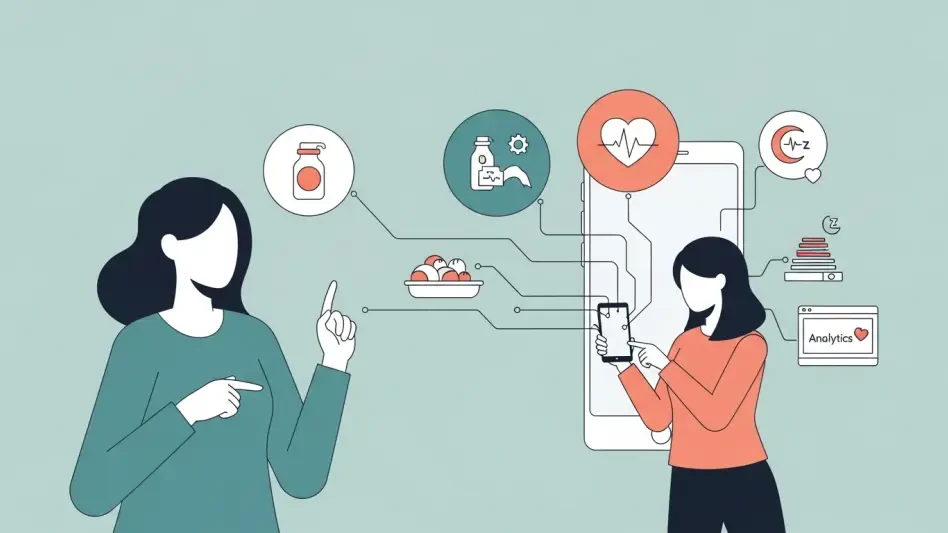
This collaborative care approach integrates seamlessly with a patient’s existing medical team, focusing on foundational pillars of health such as nutrition, sleep, and stress management. By leveraging a virtual-first platform, these programs deliver expert guidance, personalized care plans, and a supportive community directly to mothers at home. This model empowers them to take a proactive role in managing their health during a uniquely demanding life stage.
From Personal Experience to Systemic Solution: The Catalyst Behind a Focused Care Approach
Often, the most powerful innovations are born from personal struggle. The impetus behind creating a dedicated postpartum autoimmune program came from the direct experience of WellTheory’s leadership, whose family grappled with severe autoimmune flare-ups after childbirth. This personal journey illuminated the profound gaps in the healthcare system, making the need for a better solution impossible to ignore.
This anecdotal evidence was validated by a consistent influx of feedback from patients who reported the onset of new symptoms or the worsening of existing conditions after giving birth. The combination of personal insight and patient-centric data became a crucial driver for disrupting established protocols. It demonstrates a growing trend where lived experience is leveraged to design more effective and empathetic healthcare solutions.
Carving a Niche in Femtech: Why a Singular Focus on Autoimmunity Matters
While the broader postpartum care market includes established players like Maven Clinic and Pomelo Care, WellTheory’s focused approach on autoimmunity carves out a distinct and critical niche. This specialization allows for a depth of expertise and a tailored care model that more general platforms may not offer, addressing a high-need, underserved population within the larger Femtech landscape.
The strategic significance of this focus is underscored by the company’s recent success in securing $14 million in Series A funding. Its business model, which centers on partnerships with employers and health plans, provides a scalable pathway to broaden access to this specialized care. This targeted strategy offers a significant competitive advantage, positioning the company as a leader in a vital area of women’s health.
Navigating the Path Forward: A Blueprint for Proactive Postpartum Health
The key takeaway is clear: postpartum care must evolve. It needs to expand its scope beyond immediate obstetric recovery to include comprehensive screening and support for autoimmune conditions. The symptoms reported by new mothers deserve to be taken seriously and investigated thoroughly, not dismissed as an unavoidable part of the postpartum journey.
This requires a multi-pronged approach. Patients must be empowered to advocate for themselves, providers should be encouraged to incorporate autoimmune screening into their postpartum protocols, and employers have a role to play in offering benefits that cover this type of specialized care. For new mothers, practical strategies like diligent symptom tracking and clear, persistent communication with their healthcare teams are essential tools to ensure their concerns are heard and addressed.
The Next Frontier in Women’s Health: Ensuring No Mother Is Left Behind
The intersection of postpartum health and autoimmune disease represents a critical and long-neglected frontier in medicine. Acknowledging this connection is the first step toward building a more responsive and equitable healthcare system for women.
Specialized programs that target this unique physiological window have the potential to set a new standard of care, fundamentally reshaping how the system supports women during one of the most significant transitions of their lives. This momentum calls for a paradigm shift—one that validates women’s lived experiences and provides the comprehensive, nuanced support they not only need but unequivocally deserve.