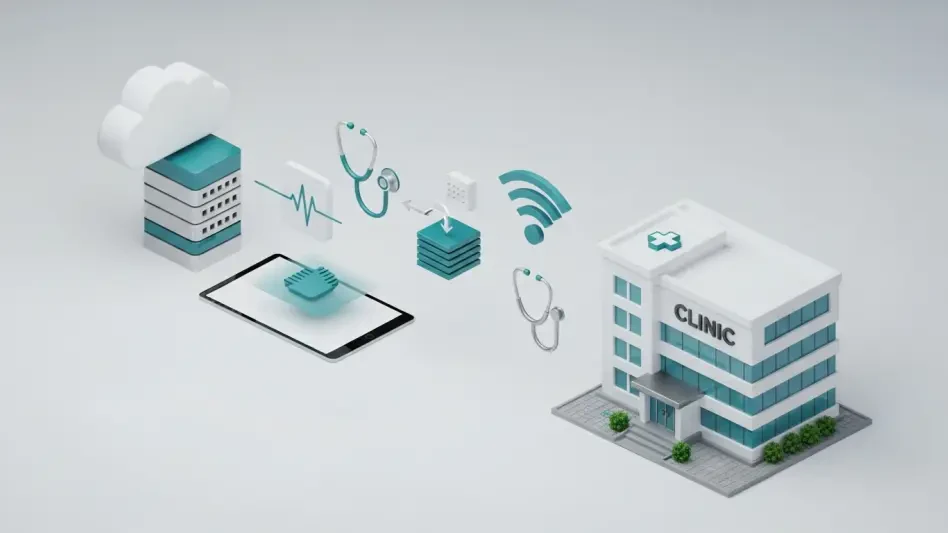

The recent announcement that TruDoc has secured a $15 million Pre-Series B funding round signifies a transformative shift in the Gulf Cooperation Council’s medical sector, moving it away from expensive, hospital-centric care toward a digitized, patient-first methodology. This strategic capital injection, supported by high-profile regional investors including members of the Al Nahyan and Al-Ketbi families, along with Pulsar Capital, reflects a growing confidence in healthtech’s ability to solve systemic inefficiencies. As the Middle East accelerates its digital agenda, this investment serves as a catalyst for a broader movement where technology is no longer an add-on but the primary interface for patient interaction.
A New Chapter for Digital Health in the Middle East
The infusion of capital into TruDoc is more than just a corporate expansion; it represents a fundamental pivot in how medical services are delivered to millions of residents across the GCC. Historically, the region has struggled with over-reliance on physical emergency departments for non-urgent matters, driving up costs for insurers and governments alike. TruDoc’s model seeks to invert this pyramid by establishing a virtual-first entry point that resolves a vast majority of medical concerns without a physical visit.
As digital transformation becomes a cornerstone of regional economic strategies, the timing of this funding is impeccable. It signals to the market that the infrastructure of healthcare is being rebuilt in the cloud, prioritizing speed and accessibility. This shift is expected to decrease the financial burden on the public health system while providing a more tailored experience for a tech-savvy population that increasingly expects “healthcare on demand” through their smartphones.
From Clinic to Cloud: The Evolution of TruDoc’s Vision
TruDoc’s journey began well over a decade ago when the concept of remote medicine was still in its infancy. Founded in 2011 by Raouf Khalil, the company spent years refining a model that advocates for digital consultations as the first line of defense. This long-term commitment has allowed the platform to move past the experimental stage and into a phase of mature execution. The current vision is not a reaction to recent global health crises but the logical progression of a strategy aimed at decentralizing medical expertise.
In the past, the GCC’s healthcare landscape was defined by massive investments in “bricks and mortar” hospitals. While these facilities remain essential for complex surgeries and acute care, TruDoc recognized early on that routine management and diagnostics could be handled more efficiently through a screen. By understanding this historical context, one can see how the new funding acts as a bridge, connecting the company’s traditional telehealth roots to a futuristic, data-driven ecosystem that spans multiple continents.
Strategic Pillars of the $15M Capital Injection
Scaling the Virtual-First Patient Journey
The primary objective for the new capital is the refinement of the “virtual-first” journey, ensuring that the patient’s transition from symptom onset to recovery is as smooth as possible. By integrating teleconsultations with home-based services, TruDoc creates a closed-loop system where a doctor can diagnose a patient via video and immediately dispatch a nurse or medication to their doorstep. This reduces the friction inherent in traditional models where patients must navigate traffic and waiting rooms for simple prescriptions or follow-ups.
Moreover, this approach addresses the critical issue of outpatient costs, which have historically been a pain point for regional insurance providers. By resolving up to 90% of medical queries through their platform, TruDoc offers a cost-effective alternative that does not sacrifice quality. This efficiency is expected to attract more corporate clients who are eager to lower their annual insurance premiums while improving the overall wellness of their workforce through immediate medical access.
Driving Technological Sophistication: AI and Remote Diagnostics
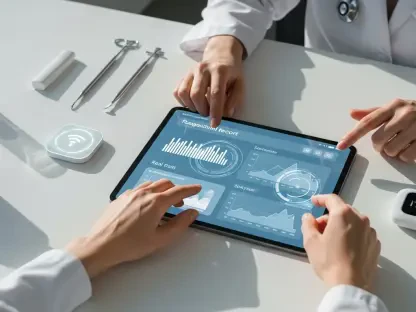
A substantial portion of the $15 million is dedicated to upgrading the technological backbone of the platform, specifically through the integration of artificial intelligence and remote patient monitoring (RPM). These tools allow for continuous health tracking, moving the medical relationship from a series of isolated appointments to a constant stream of wellness data. AI-powered diagnostics can assist doctors in identifying patterns that might be missed in a standard fifteen-minute consultation, leading to higher accuracy in early interventions.
The focus on RPM is particularly relevant for the management of chronic diseases like diabetes and hypertension, which are prevalent in the GCC. By utilizing wearable technology and connected devices, TruDoc can monitor a patient’s vital signs in real-time, alerting medical teams to potential crises before they necessitate a hospital admission. This shift toward proactive care marks a significant technological leap, making personalized medicine a scalable reality for a diverse and growing population.
Regional Expansion: The Power of Strategic Partnerships
While TruDoc already has a foothold in the UAE and Saudi Arabia, the new funding facilitates a more aggressive push into the wider GCC and parts of Africa. Expansion in these markets is not just about deploying software; it requires deep integration with local insurance networks and traditional healthcare providers. TruDoc is focusing on a hybrid model where digital records follow the patient if they eventually require specialized in-person treatment, ensuring continuity of care.
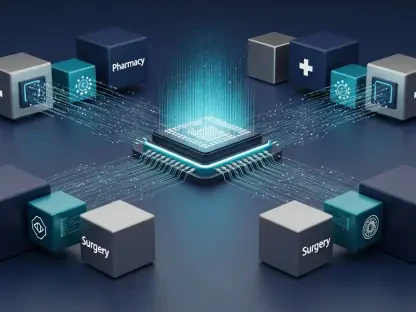
To overcome the challenge of fragmented services, the company is actively pursuing partnerships that align the interests of all stakeholders. By collaborating with established hospitals, TruDoc acts as a digital front door that triages patients, allowing physical facilities to focus on high-complexity cases. This collaborative ecosystem is essential for building a resilient healthcare infrastructure that can adapt to the varying regulatory environments found across different regional borders.
The Future of Healthtech: Shifts Shaping the GCC Landscape
The investment in TruDoc reflects a broader trend of investor enthusiasm for healthtech solutions that emphasize efficiency and data sovereignty. We are witnessing a shift where governments in the region are updating regulations to support cross-border telemedicine and secure data sharing. This supportive environment is expected to lead to the rise of “smart clinics” where the physical and digital worlds are indistinguishable, providing a 360-degree view of patient health.
Looking forward, the industry is moving toward a state of “invisible healthcare” where monitoring happens in the background of daily life. As artificial intelligence becomes more sophisticated, it will take on the role of a personal health assistant, nudging users toward healthier habits and flagging risks before they become symptoms. This evolution will likely see healthtech companies becoming the primary orchestrators of the human health experience, with traditional hospitals serving as specialized support hubs.
Actionable Takeaways for Stakeholders in the Health Ecosystem
For the various players in the medical landscape, the growth of platforms like TruDoc offers a clear roadmap for future-proofing their operations. Insurers should prioritize the inclusion of virtual-first providers in their networks to drive down claims costs and improve member satisfaction. Meanwhile, traditional medical groups must embrace digital integration, recognizing that telehealth is a tool for capacity management rather than a threat to their business model.
Consumers also play a vital role in this transition by adopting digital tools for routine health management, which ultimately results in more consistent care. Corporate leaders are encouraged to look beyond basic insurance packages and instead invest in comprehensive digital wellness platforms that offer 24/7 support. By embracing these innovations, organizations can foster a healthier, more productive environment while staying ahead of the rapidly changing healthcare delivery curve.
Conclusion: A Blueprint for Resilient Healthcare Systems
The successful funding round for TruDoc demonstrated that the market significantly valued the integration of technology into the core of the patient experience. By prioritizing a digital-first approach, the company successfully minimized unnecessary hospital visits and lowered the overall cost of care for the region’s largest employers. The strategic focus on artificial intelligence and remote monitoring proved that data-driven insights were essential for managing chronic conditions more effectively than traditional methods. Ultimately, this milestone established a clear path forward for other startups, showing that sustainable growth in the GCC required a blend of local partnerships and high-tech scalability. Decision-makers in both the public and private sectors recognized that the future of a healthy society rested on making medical expertise accessible to everyone, regardless of their proximity to a physical clinic.