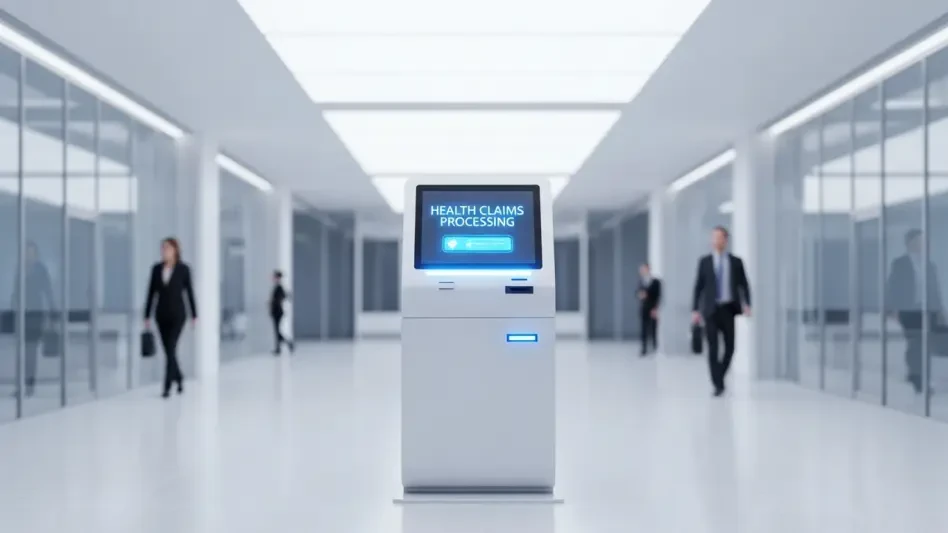

The archaic experience of navigating employer-provided health insurance is finally yielding to a sophisticated digital era where artificial intelligence dismantles the structural friction once inherent in medical claims. For years, employees struggled with opaque manuals and phone menus, waiting days for answers that should take seconds. This systemic inertia is no longer a sustainable baseline for the modern workforce.
As organizations look ahead, the integration of generative AI marks a definitive pivot toward administrative clarity. Partnerships between entities like Collective Health and Google Cloud demonstrate that healthcare logic can be centralized, turning a fragmented “black box” into a high-speed engine of efficiency.
The End of the Administrative Paper Trail in Corporate Healthcare
The traditional experience of using employer-sponsored health insurance often feels like navigating a labyrinth without a map, where basic answers are buried under layers of jargon. While most sectors of the economy embraced seamless digital integration, healthcare administration remained a stubborn outlier of fragmented data. The transition to generative AI is now a necessary utility designed to dismantle this structural friction and replace it with a transparent, high-speed infrastructure.
By embedding intelligence directly into the administrative core, companies are successfully eliminating the manual plumbing that previously slowed down every transaction. This evolution allows for a smoother flow of information between insurers and patients, ensuring that the right data reaches the right person exactly when it is needed.
Why the Current Benefits Model Is Ripe for Disruption
Modern employers face a mounting challenge: managing complex medical plans while ensuring employees actually understand and utilize them. For decades, Third-Party Administrators relied on disjointed tools and manual documentation, leading to human error and delayed claims processing. As healthcare costs rise, the need for a unified system that connects eligibility, plan logic, and claims data became a primary concern for HR leaders looking to provide value.
The volume of paperwork and the lack of real-time visibility created a disconnect that often left employees frustrated during vulnerable moments. This lack of cohesion not only increased administrative overhead but also prevented organizations from accurately assessing the effectiveness of their benefit investments.
Centralizing the Healthcare Experience Through Collective Intelligence
The shift toward AI-driven benefits transformed the experience for every stakeholder in the insurance ecosystem. For members, digital navigators now provide instant clarity on plan eligibility and benefits status, eliminating the need for tedious manual searches. Customer service teams benefited from real-time data retrieval and automated documentation, which slashed resolution times and ensured accuracy during high-stakes member calls.
Simultaneously, employers leveraged these tools to simplify annual enrollment and gain precise, data-driven insights into how their plan designs performed in the real world. This centralized intelligence allowed for a more personalized approach to healthcare, where specific member needs met immediate administrative solutions without the traditional lag time of human intervention.
A New Standard for Privacy and Technical Reliability in Health Tech
The collaboration between industry innovators like Collective Health and technical giants like Google Cloud highlighted a shift toward viewing AI as a foundational utility. A major hurdle in this evolution was data security; however, the emergence of privacy-by-design frameworks ensured that sensitive employee health information remained protected. This protocol prevented external models from using private data for training, maintaining the strict confidentiality required in the medical field.
This commitment to data integrity, combined with the ability to run generative AI at scale, allowed for a more predictable and reliable administrative environment. By prioritizing patient confidentiality alongside technical speed, the industry established a new benchmark for how sensitive information should be handled in a cloud-native healthcare ecosystem.
Frameworks for Transitioning to an AI-Enhanced Benefits Strategy
To successfully adopt these technological shifts, organizations prioritized a phased approach to administrative modernization. Employers first identified the structural friction points within their current interactions—specifically where manual intervention caused the most significant delays. From there, stakeholders evaluated platforms that integrated the entire logic of a health plan into a single system rather than relying on disparate point solutions.
By focusing on tools that offered both member-facing automation and backend administrative efficiency, companies moved toward a more cohesive and transparent healthcare narrative. HR leaders who embraced these integrated architectures secured more resilient benefit structures that adapted to future needs while maintaining cost-effective operations. This shift fundamentally altered the relationship between corporations and the health of their employees.