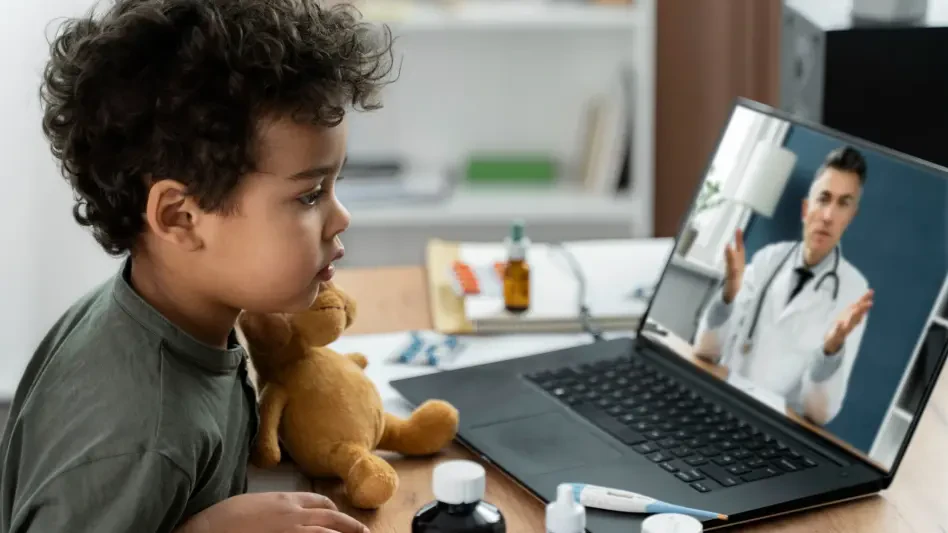

Imagine a child recovering from a complex surgery, not in the sterile confines of a hospital room, but nestled in their own bed, surrounded by familiar toys and the comforting presence of family. This vision is no longer a distant dream but a tangible reality through Nemours Children’s Health and its pioneering Advanced Care at Home program. As the first freestanding children’s hospital in the United States to develop such an initiative, Nemours is transforming how pediatric care is delivered, bringing hospital-level treatment directly into the homes of medically stable children. This groundbreaking approach challenges traditional healthcare models, sparking curiosity about how such innovation can reshape recovery for young patients and their families.
Why Home-Based Care Is a Game-Changer
The significance of hospital-at-home programs cannot be overstated in today’s strained healthcare landscape. Pediatric facilities often grapple with limited bed capacity, while families face emotional exhaustion and financial strain from extended hospital stays. Nemours’ initiative tackles these pressing issues head-on by reducing readmissions, minimizing emergency room visits, and alleviating burdens like travel expenses or missed workdays for parents. More than just a logistical fix, this model represents a shift toward personalized, decentralized care, ensuring that children heal in environments where they feel safest. It’s a profound step forward, addressing both clinical needs and the human side of medicine.
Inside the Advanced Care at Home Program
At the heart of this innovation lies a meticulously designed system that blends clinical precision with family comfort. The program, which operates out of Nemours’ hospitals in Orlando, Florida, and Wilmington, Delaware, has scaled rapidly since its inception. From serving just five patients daily to supporting 75 within a short span, the growth reflects both demand and effectiveness. A pilot in Orlando offered striking proof: 27 readmissions were averted, 91 emergency visits prevented, and 177 hospital days returned to families. These numbers highlight a model that not only works but excels in real-world application.
Beyond statistics, the operational framework is tailored for children with complex needs. Approximately 75% of enrolled patients manage multiple conditions or rely on technology like feeding tubes, yet are stable enough for discharge with oversight. Picture an infant, recently post-surgery, receiving specialized feeding support at home through customized care plans. These plans adjust telehealth check-ins and in-person visits based on individual health demands, while families are equipped with training to handle daily care confidently. This adaptability ensures that medical rigor meets personal circumstance seamlessly.
Technology as the Invisible Caregiver
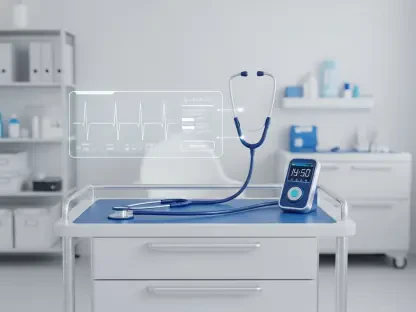
Technology serves as the backbone of this remote care revolution, enabling Nemours to monitor patients as effectively at home as in a hospital ward. Tools like Bluetooth-enabled scales and pulse oximeters track vital signs and nutritional intake, feeding data directly to clinical teams. The Epic system powers telehealth visits and secure messaging via MyChart, maintaining continuity between families and providers. Anchoring it all is a clinical logistics center, operational for over a decade, which facilitates round-the-clock oversight—an invisible but ever-present safety net for those under care.
This tech-driven approach doesn’t just ensure safety; it builds trust. Families gain peace of mind knowing that a nurse or specialist is a virtual call away, 24/7. The ability to log all clinical data into a unified system means no detail slips through the cracks, whether it’s a sudden change in condition or a routine update. Such integration transforms the home into an extension of the hospital, proving that distance need not compromise quality.
The Human Impact: Healing Beyond Medicine
Children heal better when surrounded by familiarity, a belief deeply embedded in Nemours’ philosophy. Chris Beaty, Vice President of Operational Innovation, notes that simple joys—like sleeping in a beloved bed or enjoying a home-cooked meal—play a vital role in recovery. Beyond physical healing, the emotional uplift of being with siblings or pets often accelerates progress in ways a hospital setting cannot replicate. This environment fosters resilience, turning recovery into a shared family journey rather than an isolated struggle.
Equally significant is the relief offered to parents and caregivers. The program slashes practical burdens, from transportation costs to arranging childcare during hospital stays. Jane Mericle, Executive Vice President and Chief Nursing Executive, emphasizes the emotional support embedded in constant clinical access, easing the anxiety of transitioning home after prolonged medical ordeals. Families report feeling empowered, not overwhelmed, a testament to a model that prioritizes holistic well-being alongside clinical outcomes.
Expanding Horizons and Sustaining Innovation
Looking ahead, Nemours is not resting on its early successes. Plans are underway to broaden the program’s reach, with an expansion to Wilmington already in motion as of this year and a new jaundice care initiative for newborns requiring light therapy at home. These steps signal a commitment to addressing diverse pediatric needs through innovative home-based solutions. Each expansion is carefully crafted to maintain the high standards set by the initial rollout, ensuring scalability doesn’t dilute quality.
Financially, the challenge of sustainability is being met with creativity. Currently funded through ambulatory telehealth billing, discussions with payers are ongoing to develop payment models that reflect the program’s value in cutting costs and improving safety. These negotiations aim to pave the way for broader adoption, potentially influencing how pediatric care is funded nationwide. The strategic foresight here underscores a vision that extends beyond immediate impact to long-term transformation.
What Families Need to Know
For those considering or eligible for this program, understanding its practicalities is key. It targets children who are medically stable yet need continued oversight, often with complex conditions. Families receive monitoring tools and thorough training to manage care confidently at home. Support is always accessible through 24/7 virtual consultations via platforms like Epic MyChart, while tailored care schedules balance telehealth and in-person interactions. Emergency protocols provide an added layer of reassurance, ensuring urgent needs are met swiftly.
This framework empowers caregivers to play an active role without feeling out of depth. The blend of technology and human touch—think a nurse guiding a parent through a device reading over video—bridges the gap between clinical precision and everyday life. It’s a partnership model, one that respects the family’s central role in a child’s healing process while maintaining the highest standards of medical care.
Reflecting on a New Era of Care
Looking back, the journey of Nemours’ Advanced Care at Home program marked a turning point in pediatric healthcare. It demonstrated that hospital-level treatment could thrive outside traditional walls, reshaping recovery for countless children and their families. The early triumphs—fewer readmissions, reduced emergency visits, and enhanced emotional well-being—set a powerful precedent. As this model continues to evolve, the focus must remain on refining access and affordability, ensuring every eligible child can heal in the comfort of home. Expanding partnerships with payers and integrating emerging technologies offer the next frontier, promising a future where care knows no boundaries.