
In an era where convenience often dictates consumer choice, traditional health systems are facing a critical challenge: retaining patients who are increasingly drawn to the accessibility of retail clinics and standalone digital health apps. This shift not only fragments patient care but also creates significant financial “leakage” for established providers. To explore a strategic solution to this industry-wide problem, we spoke with medical technology expert Faisal Zain. We delved into how deeply integrated virtual care partnerships, like the one between VHC Health and HealthTap, can serve as a powerful tool to enhance patient access, ensure continuity of care, and fortify the patient-provider relationship in a digital-first world. Our conversation explored the specific mechanics of this model, from the patient journey and technical integration to the critical role of clinical standards in building trust.
Many health systems see patients turn to retail clinics for convenience, which can create gaps in care. How does this type of partnership aim to solve that “leakage,” and what specific features make it more appealing than a standalone urgent care app? Please provide a patient scenario.
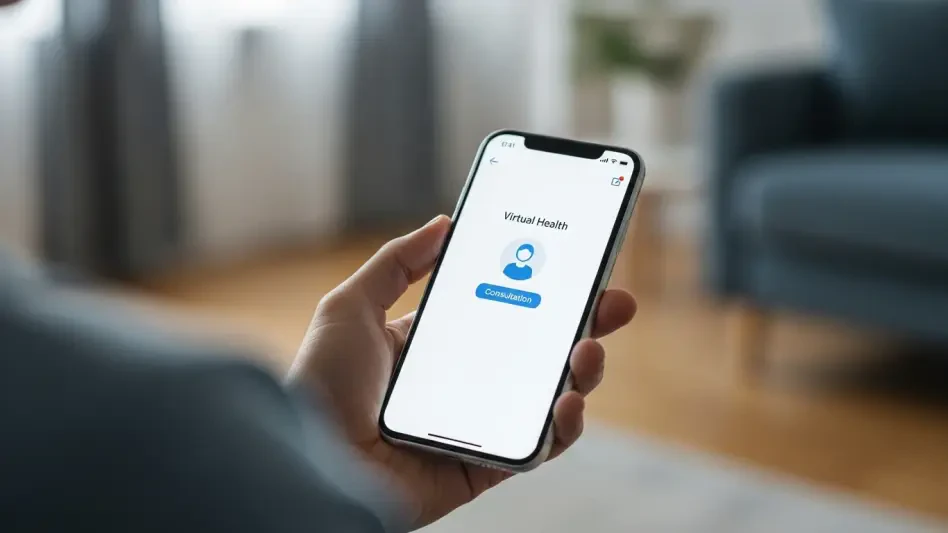
This model directly confronts the convenience gap that drives patients away. Traditional health systems often operate on a 9-to-5 schedule, but health issues don’t. This partnership provides 365-day access, effectively extending the health system’s front door into the patient’s home during evenings, weekends, and holidays. Imagine a parent whose child spikes a fever on a Saturday night. Instead of defaulting to a disconnected urgent care clinic or a crowded, costly ER, they can open the familiar VHC Health app. Within minutes, they’re in a video visit with a HealthTap physician who can diagnose, prescribe medication, and, most importantly, operate as part of their trusted care team. Unlike a standalone app, this experience is integrated. The visit summary becomes part of the child’s VHC record, and any necessary follow-up is seamlessly referred back to their primary pediatrician. It’s about turning a moment of panic into a reassuring, connected care experience.
Providing consistent care on evenings and holidays is a major operational challenge. Can you walk me through the step-by-step patient journey for accessing after-hours virtual care and explain how that process ensures they are seamlessly referred back to their health system for any necessary follow-up?
The patient journey is designed to be frictionless. Let’s say it’s 10 p.m. on a holiday, and a patient is experiencing a concerning but non-emergency symptom. They don’t have to search for a new service; they simply log into their existing VHC digital platform. From there, they access the on-demand virtual care option. A HealthTap physician connects with them for a video consultation. If the issue is simple, like a sinus infection, a prescription is sent to their pharmacy. But the real power is in the handoff for more complex needs. If the physician determines the patient needs an in-person follow-up, like an X-ray or a specialist consultation, they don’t just give advice. They use the integrated system to digitally route a referral directly to the appropriate VHC department. This closes the care loop, ensuring the patient stays within the VHC ecosystem and their primary care team is kept fully informed.
This model features deep clinical and financial integration. What are the key technical steps involved in routing referrals and billing directly into a hospital’s existing infrastructure, and why is a familiar copay experience so critical for building patient trust and encouraging adoption of the service?
The technical magic happens behind the scenes, creating a single, unbroken experience for the patient. It involves integrating HealthTap’s platform with VHC’s core systems, primarily the electronic health record and the revenue cycle management software. This allows for a two-way flow of information: patient data moves securely to the virtual physician for context, and post-visit, the clinical notes and referrals are routed back into the patient’s VHC chart. On the financial side, this integration means HealthTap can tap into VHC’s existing payer contracts. For the patient, this is monumental. When they initiate a visit, they see their standard, predictable copay—the same one they’d pay for an in-person VHC visit. This eliminates the fear of a surprise out-of-network bill, which is a massive deterrent in digital health. That financial familiarity is a powerful signal of trust; it tells the patient this isn’t some random third-party service but a true extension of their medical home.
When a patient uses a new virtual service, it can feel like “starting over with a stranger.” Beyond branding, what specific design or workflow elements help ensure the experience feels like a trusted extension of a patient’s medical home rather than a disjointed third-party service?
Beyond placing the VHC logo everywhere, the feeling of a “medical home” is built through intentional workflow design. The first element is the single point of entry—patients don’t download a new app; they access care through the digital front door they already know and trust. Secondly, the clinical integration ensures the virtual physician isn’t flying blind; they have access to relevant parts of the patient’s existing health record. But the most critical element is the closed-loop referral process. When a HealthTap physician can directly schedule a follow-up or order a lab test within the VHC system, it reinforces that they are part of the same team. The patient isn’t just given a diagnosis and sent on their way; they are actively guided to the next step of their care journey within the familiar VHC environment. This transforms the interaction from a transactional, one-off encounter into a cohesive part of their long-term health plan.
High clinical standards, like Joint Commission accreditation, were a key factor in this collaboration. How do these standards tangibly improve a typical virtual visit, and what specific metrics for both patient and provider satisfaction will ultimately define the partnership’s success in its first year?
Joint Commission accreditation is far more than a badge; it’s a commitment to a rigorous framework of quality and safety. For a patient, this means the virtual visit is held to the same high standards as an in-person one. It ensures that the telehealth technology is secure, the physicians are properly credentialed and trained, and clinical protocols are evidence-based and consistently applied. This provides a deep sense of security and legitimacy. In terms of measuring success, the focus will be squarely on the user experience. For patients, VHC will track satisfaction scores, looking at factors like ease of access, wait times, and the perceived quality of the interaction. For VHC’s own providers, success will be defined by the quality of the handoffs. They’ll measure how seamless it is to receive and act upon the referrals from HealthTap, ensuring this new front door genuinely improves care coordination rather than creating more administrative work.
What is your forecast for the future of integrated virtual and in-person care within traditional health systems?
The future isn’t a battle between virtual and in-person care; it’s a seamless fusion of the two. Models like the VHC and HealthTap partnership are the blueprint for survival and growth for traditional health systems. In the coming years, a hybrid, “phygital” approach will become the standard. Patients will expect a digitally-enabled front door that offers immediate, convenient access for low-acuity needs, but one that is intelligently and seamlessly connected to high-quality, in-person services for more complex care. Health systems that master this integration will thrive by building lasting patient loyalty. Those that fail to extend their reach beyond their physical walls will continue to see their patients leak to competitors who have figured out how to deliver trusted care, anytime and anywhere.