
The pervasive issue of urinary tract infections, which stand as the most common infection among women in the United States, has long been compounded by a diagnostic process that frequently leads to frustration and delayed relief. For countless individuals, the experience is a cyclical nightmare of symptoms, clinic visits, and treatments that may not even be effective, as research indicates nearly half of women are prescribed an antibiotic that is ill-suited to their specific infection. This diagnostic gap not only prolongs discomfort but also contributes to the rise of antibiotic resistance and the prevalence of recurring infections, which affect approximately one in four women. In response to this widespread challenge, women’s health startup Evvy has introduced a new at-home testing solution designed to overhaul this outdated standard of care by providing rapid, precise, and actionable insights directly to consumers, aiming to break the cycle of ineffective treatment and recurrent symptoms through advanced technology.
1. A New Approach to Uti Diagnostics
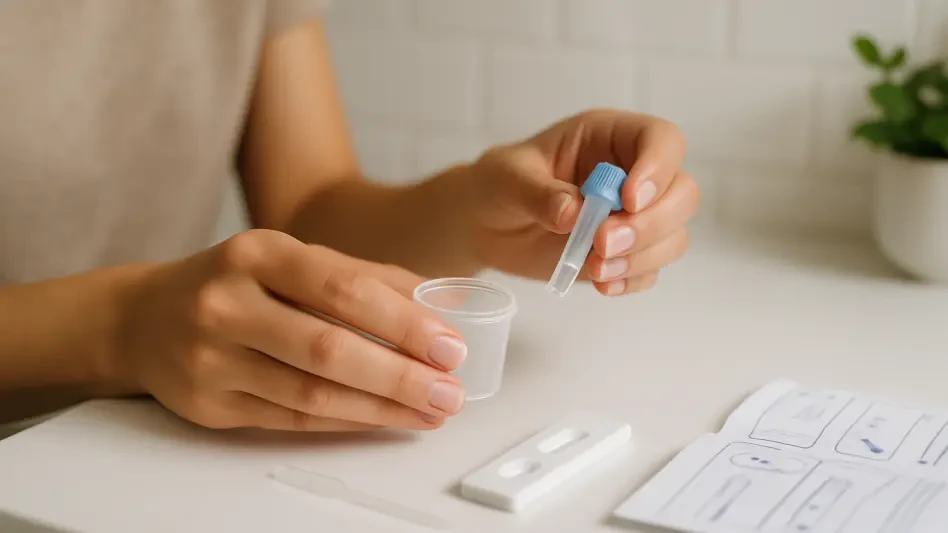
Evvy’s new UTI+ Test represents a significant step forward in urinary health diagnostics by leveraging the power of polymerase chain reaction (PCR) technology from a simple, at-home urine sample. This advanced molecular testing method is engineered to detect the specific genetic material of 12 common uropathogens, offering a far more comprehensive analysis than traditional culture methods, which can often miss key microbes. Furthermore, the test simultaneously screens for seven antibiotic-resistance genes, providing crucial information that guides effective treatment from the outset. The user experience is designed for maximum convenience and speed, eliminating the need for in-person clinic visits and lengthy waits. After collecting a urine sample at home, the user sends it to Evvy’s lab for analysis. The company guarantees results within one business day of the lab receiving the sample, a dramatic reduction in turnaround time compared to standard cultures. This expedited process is coupled with a telehealth component, allowing an Evvy clinician to review the results and, if necessary, provide a same-day prescription that can be picked up at a local pharmacy.
This innovative model directly addresses the core failures of the current standard of care for UTIs, which has been described by Evvy’s co-founder and CEO, Priyanka Jain, as “fundamentally broken.” Traditional urine cultures, long the gold standard, present multiple challenges for patients. They can take several days to yield results, a critical delay for someone experiencing acute pain and discomfort. More troublingly, these cultures frequently fail to identify the majority of pathogens responsible for an infection, leading to a high rate of incorrect antibiotic prescriptions. This guesswork not only fails to resolve the immediate infection but can also contribute to the development of antibiotic-resistant strains and disrupt the body’s natural microbiome, often leading to a recurring cycle of symptoms. By providing a detailed report on both the specific pathogen causing the infection and its potential resistance to certain antibiotics, the UTI+ Test empowers clinicians to make evidence-based decisions, increasing the likelihood of prescribing a medication that will work the first time and offering patients a much-needed path to faster, more reliable relief.
2. Integrating Vaginal Health and Broader Context
The launch of the UTI+ Test is seamlessly integrated with Evvy’s flagship product, the Vaginal Health Test, reflecting a more holistic understanding of female pelvic health. Emerging research has highlighted a critical connection between the vaginal and urinary microbiomes, showing that bacteria originating in the vaginal microbiome can often “seed” the urinary tract, leading to infections. This connection underscores the importance of a comprehensive diagnostic approach. Evvy’s own data supports this, revealing that 47% of its users who reported recent UTIs also had UTI-related bacteria present in their vaginal microbiome. For individuals, especially those suffering from recurrent UTIs, this integrated perspective is invaluable. By using both the UTI+ Test and the Vaginal Health Test, users and their clinicians can gain a clearer picture of the root causes of their symptoms, determining whether an imbalance in the vaginal microbiome might be a contributing factor to their ongoing urinary issues. This dual insight enables more targeted and preventative care strategies that go beyond simply treating the acute infection.
The introduction of this new diagnostic tool is the latest in a series of strategic expansions for Evvy, solidifying its position as a key innovator in the women’s health technology sector. This move follows the company’s addition of fertility insights to its vaginal microbiome test earlier in the year and the publication of a peer-reviewed study that found Evvy’s platform improved the diagnosis and treatment of bacterial vaginosis, with over 75% of patients reporting symptom relief. This scientific validation helps build trust in its direct-to-consumer model. The UTI+ Test is available in most U.S. states for a one-time purchase price of $248, with a discount for subscribers. While Evvy is a prominent player, it operates in a growing market that includes other at-home testing companies like Juno Bio, which also offers vaginal microbiome analysis and health coaching. This competitive landscape signals a broader industry shift toward empowering women with more accessible, science-backed health solutions that move beyond traditional, and often inadequate, clinical pathways.
3. A Shift in Women’s Healthcare
The development and launch of this at-home diagnostic tool marked a significant pivot in how urinary tract health was approached, moving care from a reactive, often inefficient clinical model to a proactive, patient-centered one. For decades, the narrative surrounding UTIs was one of resignation, with many women being told that their recurring infections were simply a matter of “bad luck.” This new technology directly challenged that notion by providing concrete scientific data that illuminated the specific microbial causes of infection. The ability to identify not only the pathogen but also its antibiotic-resistance markers from home fundamentally altered the patient journey. It replaced waiting and uncertainty with speed and precision, equipping both patients and providers with the necessary information to select the most effective treatment promptly. This shift was more than a matter of convenience; it represented a move toward personalized medicine that had the potential to curb the overuse of broad-spectrum antibiotics and mitigate the growing crisis of antibiotic resistance. Ultimately, this innovation empowered individuals with a deeper understanding of their own bodies and gave them a more active role in managing their health, transforming a frustrating cycle of illness into an opportunity for informed and effective intervention.