
Modern high-performance living often ignores the foundational biological necessity of deep recovery, yet the sleep quality gap remains a primary barrier to peak metabolic health and cognitive longevity. The Eight Sleep Pod enters this space not merely as a luxury mattress accessory but as a sophisticated clinical-grade intervention designed to bridge that gap. At its premium price point, the system promises more than comfort; it targets the physiological roots of exhaustion. By automating the environment, it removes the burden of manual adjustments, allowing the body to enter restorative states more efficiently.
Investing in such technology reflects a commitment to long-term wellness rather than a simple desire for a softer bed. For those battling chronic sleep deprivation or high-stress recovery cycles, the value lies in the measurable improvement of heart rate variability and deep sleep duration. The integration of smart climate control directly influences the quality of life, transforming the bedroom into a proactive health center that justifies its initial expense through sustained biological performance.
Overview of the Pod’s Core Technology and Features
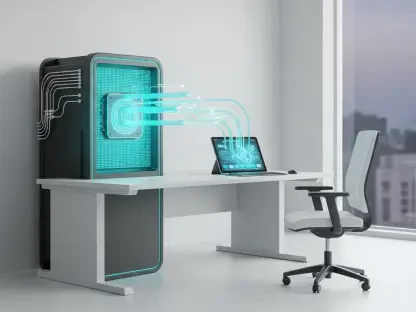
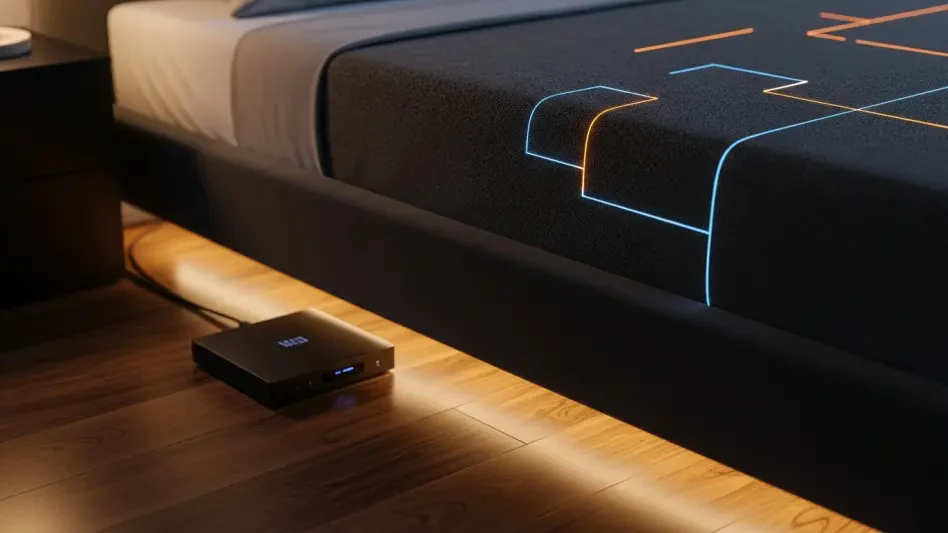
The architecture of the Pod centers on the Active Grid, a specialized cover that fits over a mattress to deliver precise thermal regulation through a network of water-cooled or heated channels. This hardware is supported by the Hub, a quiet but powerful processing unit that manages water flow and connectivity. Beyond temperature, the system integrates bed elevation adjustments and soothing soundscapes to create a multi-sensory environment. These elements work in tandem to ensure the user stays in the ideal physiological state throughout the entire night.
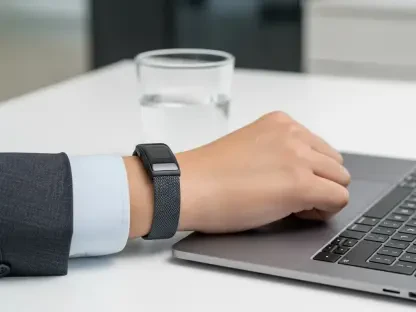
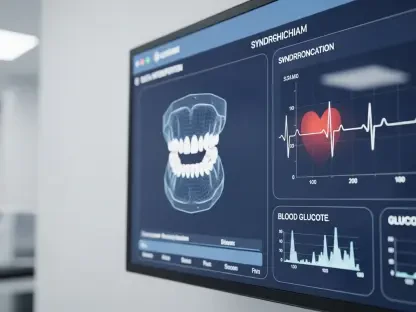
Sophisticated biometric tracking serves as the brain of the operation, capturing heart rate, respiratory patterns, and specific sleep stages without the need for wearable devices. This data feeds into a predictive AI model that analyzes massive datasets to anticipate user needs before they arise. By simulating sleep environments based on historical performance and external variables like room humidity, the system transitions from a reactive tool to an intelligent guardian of the circadian rhythm.
Real-World Performance and Biometric Accuracy
Thermal regulation remains the most impressive aspect of the Pod’s performance, as it effectively eliminates the mid-night wakings caused by overheating. The Autopilot feature functions with remarkable responsiveness, adjusting the bed’s temperature in real-time as the room environment fluctuates. This proactive cooling is particularly beneficial for managing specific health challenges, such as menopausal hot flashes, where users have reported a significant reduction in disturbances.
In terms of data reliability, the sleep stage tracking and heart rate variability (HRV) metrics align closely with professional health monitors. This accuracy allows individuals to correlate their daily habits with their nightly recovery scores. Moreover, the system’s ability to align environmental cues with natural circadian rhythms helps users wake up feeling more refreshed, proving that the hardware is as much about daytime performance as it is about nighttime rest.
Pros and Cons of the Eight Sleep System
The primary strength of the system is its dual-zone functionality, which allows partners to maintain entirely different micro-climates within the same bed. This level of personalized comfort, combined with comprehensive health analytics, sets it apart from traditional bedding. The seamless integration of AI ensures that the sleep environment evolves with the user, making it an ideal choice for data-driven individuals focused on optimizing their metabolic health and longevity.
However, the barrier to entry includes a complex initial setup and a mandatory subscription model to unlock the most advanced AI features. The hardware also requires periodic maintenance, such as refilling the water reservoir and ensuring the Hub remains dust-free. For those who prefer a “set it and forget it” traditional mattress, the technical nature of the Pod might feel over-engineered, whereas health enthusiasts will find the maintenance a fair trade for the actionable insights provided.
Final Assessment and Recommendation
The evolution of the Pod from a basic cooling pad to a proactive health tool represented a significant milestone in the health-tech industry. When compared to traditional competitors, the system stood out due to its ability to influence physiology rather than just providing physical support. It proved to be a superior option for those prioritizing long-term wellness, as the consistent improvements in sleep architecture contributed directly to better metabolic outcomes and cognitive clarity.
The verdict on the system was clear: it functioned as a vital component of a longevity-focused lifestyle. By utilizing predictive intelligence, it moved beyond the limitations of reactive devices, offering a glimpse into the future of personalized medicine. For individuals with the budget to support the subscription and the interest in fine-tuning their biological data, the Pod became an indispensable tool for maintaining a competitive edge in a demanding world.
Final Thoughts and Buyer Considerations
The intersection of sleep science and artificial intelligence has created a new standard for how people interact with their home environments. Prospective buyers should consider their willingness to engage with a data-centric ecosystem before making the investment. While the technology is transformative, it thrives best when the user is committed to understanding the biometrics provided. Compatibility with one’s lifestyle—specifically the desire for a tech-integrated bedroom—remains the most important factor in determining the long-term utility of the device.
Looking ahead, the potential for this platform to serve as a diagnostic tool is immense, especially with pending clearances for detecting conditions like sleep apnea. Users should stay informed about software updates that continue to expand the system’s medical capabilities. Integrating this technology today means preparing for a future where the bed does not just facilitate rest, but actively monitors and protects one’s health while they are most vulnerable.