
The simple act of placing a cold metal disk against a patient’s chest is undergoing its most significant transformation since the invention of the stethoscope over two centuries ago. While the tool remains a symbol of the medical profession, the integration of artificial intelligence is turning these devices into powerful diagnostic hubs capable of seeing what the human ear often misses. In rural clinics where specialized equipment is scarce, this shift represents more than just a technological upgrade; it is a vital lifeline for patients facing systemic barriers to care.
Transforming Cardiac Care Through AI-Enabled Digital Auscultation
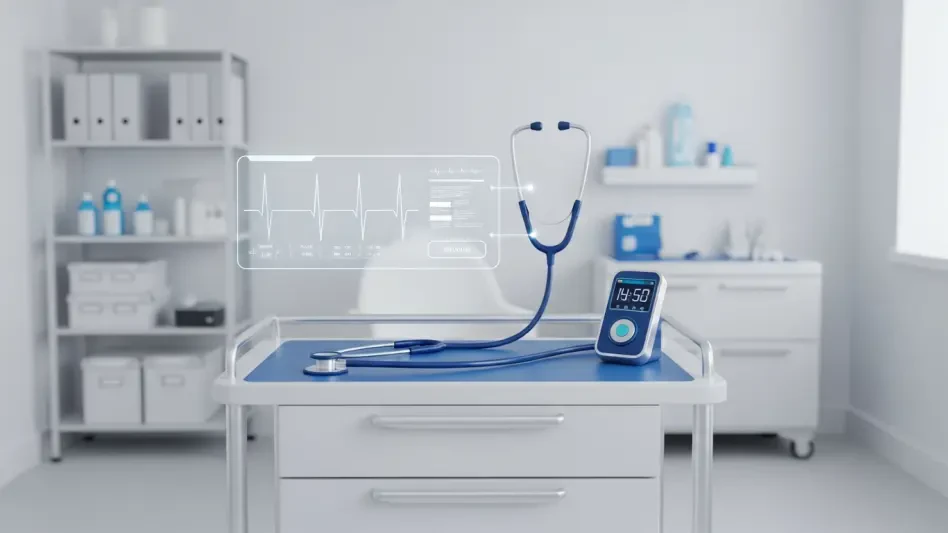
Modern medicine is witnessing the evolution of the traditional stethoscope into a multi-modal diagnostic tool. By merging acoustic data with integrated EKG sensors, these devices provide a comprehensive view of heart health in seconds. This fusion allows clinicians to detect complex electrical and structural issues simultaneously, effectively moving advanced diagnostics out of the specialized imaging suite and into the local exam room.
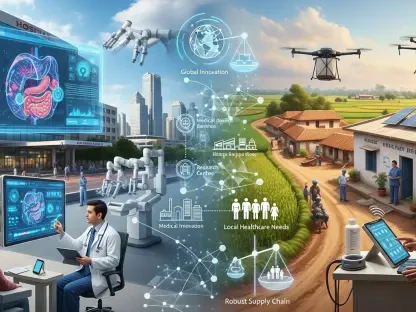
Point-of-care technology plays a critical role in addressing urban-rural healthcare disparities by providing immediate answers. Key industry players are now deploying specialized AI engines that slide seamlessly into clinical workflows, allowing general practitioners to identify valvular disease or low ejection fraction. This broad impact on health equity ensures that a patient’s zip code no longer dictates the quality of their initial cardiac screening.
Market Evolution and the Rise of Intelligent Diagnostics
Identifying Key Drivers: The Shift Toward Digital Health
The industry is currently focused on the real-time identification of atrial fibrillation and valvular heart disease during routine visits. Clinician behaviors are changing as they move from reactive specialist referrals toward proactive local screenings. This transition is particularly significant for rural populations managing chronic comorbidities like obesity and hypertension, where early detection can prevent catastrophic events.
Integrating AI into routine physical examinations offers a massive market opportunity without disrupting existing hospital workflows. By providing instant feedback, these tools empower primary care providers to act as the first line of defense against heart failure. This proactive approach helps manage patient loads more effectively while ensuring that high-risk individuals receive the attention they need before their conditions worsen.
Quantifying the Impact: Clinical Outcomes and Hospital Revenue
Data from rural facilities show that AI-enabled tools can detect undiagnosed conditions in up to 40% of the patient population. These performance indicators prove that the technology is not just an experimental luxury but a clinical necessity. Furthermore, the financial sustainability of these tools is supported by established CPT reimbursement codes, which allow hospitals to generate revenue while expanding high-tech care.
The projected growth of AI-driven diagnostic tools reflects a broader trend toward data-driven efficiency in the med-tech landscape. Reducing the time-to-treatment from several weeks of specialist waiting lists to under a minute at the point of care saves lives and resources. This efficiency translates to lower long-term costs for the healthcare system by preventing expensive emergency interventions through early primary care detection.
Overcoming Barriers to Integration in Remote Clinical Settings
Technological hurdles remain, particularly in ensuring accuracy for patients with complex, overlapping comorbid conditions. However, the rise of intelligent algorithms has mitigated these risks by filtering out background noise and focusing on precise cardiac signatures. Bridging the distance between rural patients and cardiology centers requires these tools to be reliable enough to serve as a definitive screening mechanism.
Operational success depends on training local staff to interpret AI-generated insights effectively without feeling overwhelmed by new data. Implementation strategies now leverage user-friendly interfaces that maintain high-speed emergency responses. By simplifying the presentation of complex EKG and acoustic data, manufacturers have made it possible for even small clinics to operate with specialist-level precision.
Navigating the Regulatory Landscape and Data Security in AI Medicine
Compliance with FDA standards for AI-powered cardiac algorithms ensures that these tools meet rigorous safety and efficacy requirements. Standardized reimbursement frameworks have also incentivized rural hospital adoption by providing a clear path to return on investment. As healthcare legislation evolves, the deployment of remote diagnostic technologies is becoming a central pillar of national health policy.
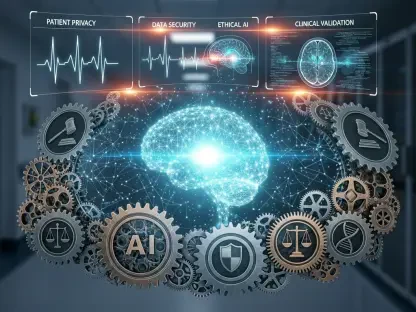
Security measures for protecting sensitive patient data are paramount when transmitting EKG and acoustic information via digital platforms. Robust encryption and cloud-security protocols ensure that patient privacy remains intact while allowing for seamless data sharing between primary clinics and distant specialists. This regulatory clarity has fostered a more stable environment for widespread technological integration.
The Future of Specialized Care at the Point of Primary Contact
Emerging technologies are already looking beyond the heart, expanding AI diagnostics to pulmonary and gastrointestinal health. Potential market disruptors include handheld AI tools that could eventually replace bulky, traditional diagnostic machinery in remote areas. This movement toward a specialist-in-your-pocket model will define the next decade of primary care practice.
Global economic conditions will continue to influence the scalability of these AI health solutions, but the downward trend in hardware costs makes them increasingly accessible. As the technology matures, it will likely become a standard component of medical education. This democratization of diagnostic power ensures that the benefits of the digital health revolution are shared by all, regardless of geographic location.
Scaling Smarter Care for a More Equitable Healthcare System
The successful deployment of AI stethoscopes demonstrated that advanced intervention could occur the moment a patient entered a rural clinic. It was found that early detection significantly reduced the economic burden on small hospitals by preventing the progression of heart failure. Providers who invested in these innovations saw immediate improvements in patient longevity and hospital viability. The shift toward intelligent diagnostics moved the industry toward a model of preventative care that finally prioritized underserved populations. Moving forward, the focus must remain on refining these algorithms to cover a broader range of respiratory and circulatory diseases. Practitioners should prioritize the integration of these tools into standard undergraduate medical training to ensure the next generation is prepared for a data-centric environment. Expanding high-speed connectivity in remote areas will also be essential to support the cloud-based components of these diagnostic engines. Ultimately, the future of rural medicine depended on the ability to bring the specialist’s ear to every patient’s bedside through the power of artificial intelligence.