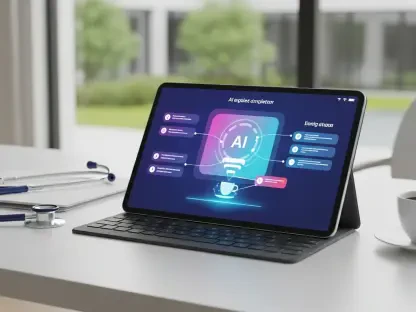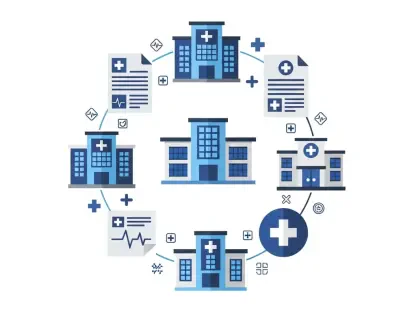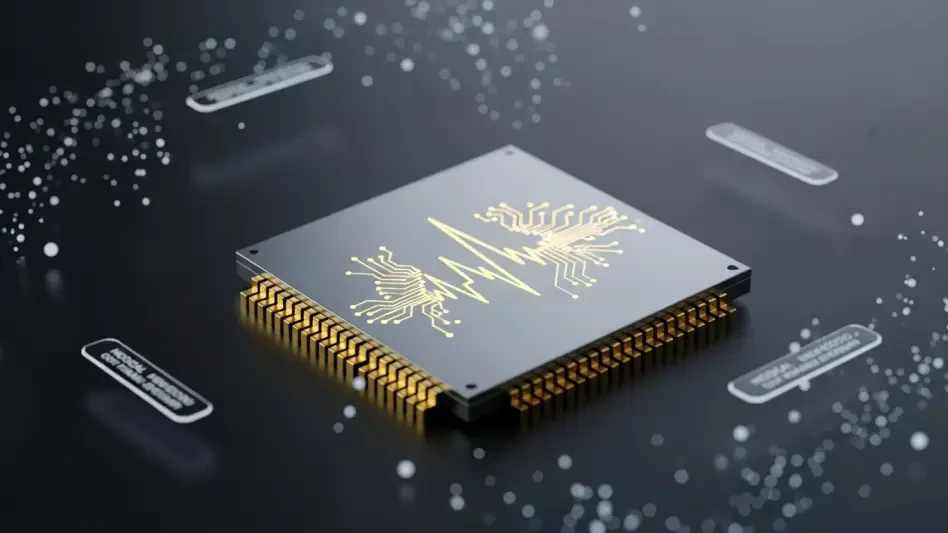

The diagnostic landscape for prenatal cardiology is undergoing a seismic shift as clinical teams grapple with the reality that nearly one out of every one hundred infants is born with a congenital heart defect, many of which remain undetected until after birth. Despite the ubiquity of prenatal imaging, the complexity of the fetal heart often exceeds the limits of standard human observation during routine second-trimester scans. These gaps in detection are not merely technical failures but represent a systemic challenge where the high stakes of neonatal health meet the variability of sonographic interpretation. This environment has paved the way for an artificial intelligence revolution aimed at refining the accuracy of cardiac screening across the globe.
Technological influences are driving a transition from manual, subjective interpretation to AI-augmented diagnostic imaging. Major market players are now prioritizing the development of software that can assist generalist sonographers in identifying the four-chamber view and the outflow tracts, which are critical for spotting anomalies. The regulatory environment has responded in kind, with several FDA-approved platforms setting the standard for how algorithms interact with live ultrasound feeds. These tools are designed to ensure that a patient in a rural clinic receives the same level of diagnostic scrutiny as one in a major metropolitan teaching hospital.
Transforming Diagnostic Capabilities Through Technological Innovation
Emerging Trends in AI-Enabled Ultrasound Technology
The shift from reactive postnatal treatment to proactive prenatal preparation is perhaps the most significant benefit of AI integration. When a heart defect is identified before birth, the entire trajectory of care changes, allowing for delivery at specialized centers equipped with pediatric cardiac surgeons. AI serves as a digital co-pilot, offering real-time assistance by highlighting anatomical landmarks that may be obscured by fetal position or maternal tissue density. This democratization of expertise ensures that specialist-level diagnostic accuracy is no longer confined to elite medical centers but is accessible in community settings.
Furthermore, the human factor—long a source of variability in ultrasound results—is being stabilized by these computational tools. By providing an objective second opinion during the scan, AI reduces the likelihood of fatigue-related errors or subtle oversights. This consistency is vital for building trust within the clinical workflow, as it allows sonographers to focus on patient interaction while the software handles the high-frequency task of pattern recognition.
Market Growth and Performance Projections for AI Diagnostics
Statistical gains in sensitivity and specificity have become the primary drivers for the adoption of AI-integrated ultrasound equipment. Recent data indicates that platforms utilizing deep learning models can improve the detection rates of critical defects by significant margins compared to traditional methods. Between 2026 and 2030, the market is projected to see a rapid acceleration in the replacement of legacy systems with AI-enabled hardware. This trend is fueled by the clear clinical evidence that early detection leads to better outcomes and lower long-term healthcare costs.
Economic forecasts suggest that the reduction in emergency neonatal transports and unplanned surgeries provides a compelling return on investment for healthcare systems. As standard OB-GYN practices incorporate these tools, the focus will shift toward total population health management. The clinical outcome of these advancements is measured not just in diagnostic percentages but in the increased survival rates of neonates who receive immediate, planned interventions.
Navigating Technical and Geographical Hurdles in Implementation
Evaluating a fetal heart remains one of the most difficult tasks in medical imaging due to the microscopic size of the target and its constant motion. To overcome this technical complexity, AI algorithms are being trained on millions of images to recognize even the slightest structural deviations. This is particularly important given the acute shortage of pediatric cardiologists, whose time is often stretched thin by a high volume of low-risk referrals. AI-driven triage systems can help by flagging only the most suspicious cases for specialist review, streamlining the path to expert care.
Integration obstacles remain, particularly regarding how these tools merge with existing clinical workflows. Hospitals must ensure that the addition of AI software does not lead to alert fatigue or disrupt the time-sensitive nature of prenatal appointments. Moreover, developers are under increasing pressure to address data privacy and algorithmic bias. Ensuring that AI systems are trained on diverse datasets is a prerequisite for achieving equitable diagnostic results across different patient populations and body types.
Compliance, Security, and the Regulatory Framework for Medical AI
The role of international regulatory bodies has become central to the validation of AI ultrasound software for clinical use. The FDA has established rigorous protocols to ensure that these algorithms are not only accurate but also secure from external cyber threats. Data security standards are particularly stringent for cloud-based AI systems, which must protect sensitive maternal and fetal health information through end-to-end encryption. These regulations provide a necessary framework for the safe expansion of AI in obstetrics.
Ethical considerations also play a major role in the deployment of these technologies. It is essential to maintain a balance where the AI provides automated suggestions while the clinician retains the final diagnostic authority. This prevents the erosion of clinical judgment and ensures that the human element of medicine remains at the forefront. As medical-legal standards evolve, the adoption of AI-assisted screening tools is likely to become a benchmark for the standard of care in prenatal cardiology.
The Future of Fetal Medicine: Innovation and Health Equity
Looking toward the horizon of fetal medicine, AI is on the path to becoming a routine component of every universal prenatal ultrasound. Emerging technologies are already exploring the potential for 3D and 4D AI modeling, which could provide surgeons with a predictive blueprint for post-birth procedures. These models can simulate surgical outcomes before the child is even born, offering a level of precision that was previously unimaginable. This innovation represents a fundamental shift in how complex cases are managed from the earliest stages of development.
Closing the disparity gap remains a primary objective for the global health community. By scaling AI tools in developing healthcare markets, the quality of prenatal cardiac evaluations will no longer be dictated by geographical location. This global economic influence is driving the creation of more affordable, portable AI-integrated ultrasound devices. These tools are designed to empower local healthcare workers, ensuring that the benefits of the AI revolution are shared across all demographics, regardless of socio-economic status.
Summary of Findings and the Path Forward for AI in Cardiology
The integration of artificial intelligence into prenatal cardiology represented a profound shift that enhanced rather than replaced human clinical judgment. Healthcare providers who embraced technological literacy found themselves better equipped to improve neonatal outcomes through early and accurate detection. The evidence demonstrated that AI served as a powerful diagnostic augment, significantly lowering morbidity and mortality rates by providing families and medical teams the time required for comprehensive surgical planning.
Strategic investment in AI-integrated cardiology became a cornerstone for the future of maternal-fetal health. Stakeholders prioritized the expansion of these tools to ensure that diagnostic consistency reached even the most remote regions. Moving forward, the focus shifted toward refining predictive analytics for long-term surgical success and integrating genetic data with imaging results. This comprehensive approach ensured that the transformative potential of AI was fully realized, setting a new global standard for neonatal safety and clinical excellence.