
Beyond the Burnout: Why Human Connection is Healthcare’s Next Frontier
In an industry fundamentally defined by human care, a profound and paradoxical crisis of empathy is unfolding across clinics and hospitals. Patients, now thoroughly conditioned by the hyper-personalized experiences delivered in every other facet of their lives, arrive expecting an equivalent level of individualized attention, only to encounter a system buckling under the immense weight of administrative overload and widespread staff burnout. This analysis explores the escalating disconnect between modern patient expectations and the stark realities of an overburdened healthcare infrastructure. It deconstructs the false dichotomy that has long pitted operational efficiency against genuine human connection, arguing that a new paradigm—Authentic Intelligence—offers a tangible and scalable solution. By strategically leveraging generative AI to augment and expand empathetic relationships, healthcare organizations can finally achieve a coveted “triple win” that simultaneously improves patient outcomes, strengthens long-term financial stability, and revitalizes a beleaguered workforce.
The Widening Chasm: How Modern Pressures Eroded Patient Empathy
To fully grasp the origins of the current crisis, it is essential to recognize the collision of two powerful and opposing forces. On one side, patient expectations have undergone a fundamental and irreversible shift. Today’s individuals are no longer passive recipients of care; they are active and informed participants who demand the same continuous, supportive, and deeply personalized engagement they routinely receive from sophisticated retail and service industries. They seek a meaningful relationship that extends far beyond the fleeting moments of a scheduled office visit, desiring a sense of ongoing support throughout their health journey.
On the other side of this chasm lies the crushing reality of the modern healthcare environment. Recent survey data paints a stark picture of this operational strain, revealing that clinicians spend an average of 28 hours per week on administrative tasks, while their office staff members dedicate a staggering 34 hours to similar duties. This overwhelming burden does more than just fuel persistent staffing shortages; it directly subtracts from the precious time available for meaningful patient interaction. The result is a system where the genuine desire to provide empathetic, high-quality care is consistently thwarted by insurmountable logistical and administrative barriers, leaving both patients and providers feeling disconnected and frustrated.
The Authentic Intelligence Solution: A Blueprint for Scalable Empathy
Defining Authentic Intelligence: More Than Just Automation
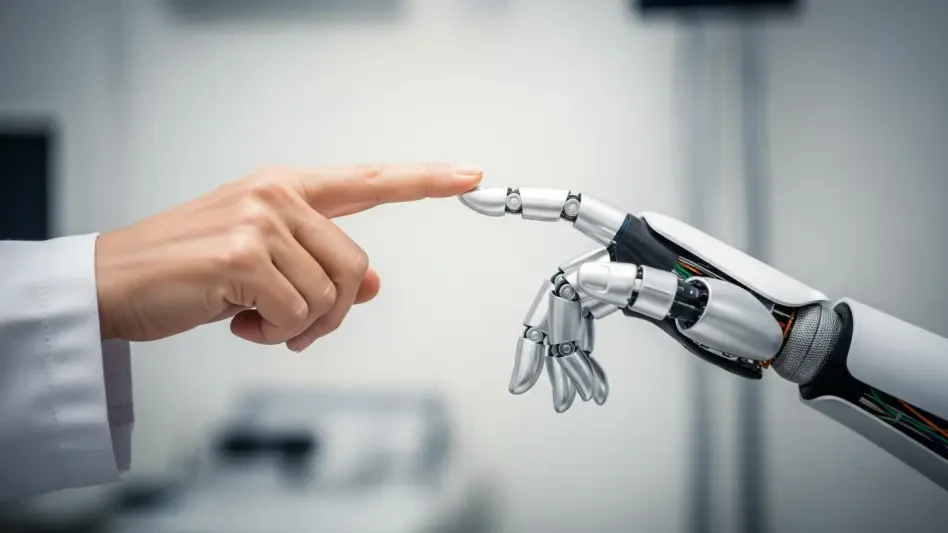
The most effective solution to this deep-seated crisis is not found in simply adding more manpower or implementing conventional technology, but in a fundamental shift in approach. Authentic Intelligence represents a purpose-built application of generative AI designed specifically to scale genuine, human-like relationships. Unlike traditional automation, which typically focuses on sending impersonal, transactional messages that often feel robotic, Authentic Intelligence augments the capabilities of healthcare providers by facilitating more intuitive and natural conversations. Its primary goal is not to replace human interaction but to expertly handle the personalized, routine outreach that fosters a sense of continuous connection. In doing so, it frees up valuable staff time to focus on high-value, direct patient care, effectively serving as a digital extension of the care team and ensuring every patient feels seen, heard, and supported.
From Marketing to Meaning: Reimagining Patient Communication
The practical application of Authentic Intelligence necessitates a decisive move away from a traditional marketing mindset. Instead of broadcasting generic newsletters or sales-oriented promotions that frequently annoy recipients or are outright ignored, patient communication is reoriented to prioritize individual needs and build rapport. The guiding principle becomes a commitment to educate, connect, and support at every touchpoint. This strategic shift transforms routine communications into powerful opportunities to build trust, reinforce care plans, and encourage proactive health behaviors. For example, a timely and humorous reminder about the importance of flossing around Halloween can serve as a non-transactional moment of genuine connection. Similarly, an automated yet personal-sounding message reminding a patient about an upcoming routine check-up can drive care plan adherence and help fill schedules without ever feeling intrusive, perfectly marrying operational efficiency with a tangible sense of personal care.
The Triple Win: A Virtuous Cycle for Patients, Providers, and Staff
The thoughtful adoption of Authentic Intelligence creates a powerful “triple win” that generates a virtuous cycle of benefits for every stakeholder involved. For patients, consistent and meaningful engagement leads directly to better health education, higher compliance with prescribed care plans, and measurably improved health outcomes. They feel more valued and connected to their care team, which in turn fosters a deep sense of loyalty. For the healthcare organization, this enhanced patient loyalty translates into higher retention rates and a stronger referral network—both critical drivers of long-term financial stability and market leadership. Perhaps most importantly, for the staff, this innovative technology alleviates the crushing administrative workload. By automating personalized outreach, it liberates clinicians and office managers to concentrate on their core mission, boosting job satisfaction, significantly reducing burnout, and ultimately improving the quality of care delivered to every patient.
The Future of Care: Personalization as a Competitive Differentiator
Looking ahead, the ability to deliver personalized, empathetic care at scale will no longer be a luxury but a critical differentiator that separates market-leading healthcare providers from the rest of the field. As patients increasingly make their healthcare decisions as informed and empowered consumers, their choice of provider will be heavily influenced by the quality of the relationship and the pervasive feeling of being genuinely cared for. Authentic Intelligence is now poised to become the new standard for modern patient engagement, creating a higher benchmark for excellence across the industry. Providers who successfully integrate this forward-thinking approach will not only realize significant improvements in patient loyalty and operational efficiency but will also be better positioned to thrive in an increasingly competitive and value-based care landscape.
Actionable Pathways: Implementing Authentic Empathy at Scale
To successfully navigate this new terrain, healthcare organizations must embrace a strategic and deliberate shift in their operational philosophy. The first essential step is to recognize personalization as a core clinical and business imperative, not merely a peripheral amenity. Next, leadership must actively reframe the role of technology, moving from a tool for simple task automation to a powerful enabler of relationship augmentation. This involves adopting a communication model that is centered on educating, connecting, and supporting patients between their visits. Finally, when evaluating potential technology solutions, the primary focus should be on achieving the “triple win.” Any technology that is implemented must demonstrably benefit patients, the organization, and its staff to ensure sustainable success and widespread internal adoption.
Restoring the Human Element: The True Promise of AI in Medicine
The central challenge facing modern healthcare is not a lack of sophisticated technology but a pervasive deficit of human connection. Patients crave authentic, meaningful touchpoints that help them feel valued and supported on their personal journey to better health. The core takeaway is that the perceived conflict between operational efficiency and patient empathy is a solvable problem. Through the strategic implementation of Authentic Intelligence, the industry finally has the tools it needs to scale personalized care without sacrificing the indispensable human element. The true promise of AI in medicine is not to replace dedicated caregivers, but rather to liberate them from administrative burdens, allowing them to restore the deep, empathetic connection that lies at the very heart of healing.