
The sudden arrival of artificial intelligence platforms capable of analyzing personal health data has thrust consumers and medical professionals into a new, uncharted territory of digital medicine. These tools, which allow individuals to upload everything from smartwatch metrics to extensive medical records, present a compelling vision of empowered patients and democratized healthcare information. Yet, their practical application reveals a volatile and unpredictable reality. The chasm between the promise and the peril of these systems is starkly illustrated by two recent user experiences with a beta version of ChatGPT Health. One interaction led to a frighteningly inaccurate health assessment that caused significant distress, while another uncovered a life-altering insight missed by doctors for years, highlighting the technology’s dual capacity to be both a source of harmful misinformation and a catalyst for profound medical discovery.
The Perils of Algorithmic Misinterpretation
The potential for AI-driven health tools to cause harm was vividly demonstrated in the experience of technology columnist Geoffrey Fowler. After uploading a decade’s worth of his Apple Watch data, encompassing 29 million steps and 6 million heartbeats, he was alarmed to receive a failing grade of “F” for his cardiovascular health. This stark assessment was not only alarming but also deeply flawed. The AI-generated conclusion was directly contradicted by both his personal physician and renowned cardiologist Dr. Eric Topol, who reviewed the same data and found no cause for concern. The incident underscores a critical risk: these nascent technologies can generate significant anxiety and trigger a cascade of unnecessary, costly, and potentially invasive medical tests based on faulty interpretations. The AI’s analysis was fundamentally unreliable, providing different grades upon re-uploading the same dataset and even exhibiting moments of “senility” where it forgot the user’s basic demographic information.
This case serves as a powerful cautionary tale about the current limitations of AI in interpreting consumer-grade wellness data. The algorithm’s erroneous conclusion was based heavily on questionable metrics like VO2 max, which can be highly variable and are not typically used as a primary diagnostic indicator by clinicians. Furthermore, the AI failed to exhibit the nuanced reasoning of a human doctor; for instance, it never suggested a lipoprotein (a) blood test, a relevant diagnostic step that Fowler’s human doctor later ordered. The experience highlights a significant danger for the “worried well,” where individuals seeking reassurance may instead be met with algorithmic errors that amplify health anxiety. This potential for generating fear and prompting unwarranted medical interventions reveals a clear and present danger in the premature deployment of these tools without rigorous validation and clear guardrails for consumers.
The Promise of Uncovering Hidden Truths
In a dramatic counterpoint, the story of Amy Gleason’s daughter, Morgan, showcases the revolutionary potential of AI to empower patients and uncover missed diagnostic clues. For years, 27-year-old Morgan has battled juvenile dermatomyositis, a rare autoimmune disease. Her hopes for a groundbreaking treatment were dashed when she was rejected from a promising CAR-T clinical trial because of a co-diagnosis of ulcerative colitis, a condition listed as an exclusion criterion. In a moment of frustration, she uploaded her extensive medical history to the same AI health tool. The result was a stunning breakthrough. The AI synthesized her records and proposed that she might have been misdiagnosed, suggesting she instead has microscopic lymphatic colitis—a condition not excluded from the clinical trial. This single insight provided a new path forward where one had seemed closed.
The AI’s contribution went beyond simply proposing an alternative diagnosis. It performed a feat of data analysis that had eluded her human medical team for over a decade. By meticulously sifting through a massive volume of records, the AI unearthed a long-buried note from a tonsil biopsy that recommended an “evaluate for autoimmune disease.” This critical clue, missed during years of human review, demonstrated the technology’s profound ability to identify patterns and surface vital information hidden within complex medical histories. Morgan’s experience illustrates how AI can act as a powerful assistant, augmenting the capabilities of both patients and doctors. It can meticulously review vast datasets, connect seemingly disparate pieces of information, and provide insights that can fundamentally change the course of a patient’s journey, transforming a tool of potential anxiety into an engine of discovery and hope.
Charting a Course for Responsible Innovation
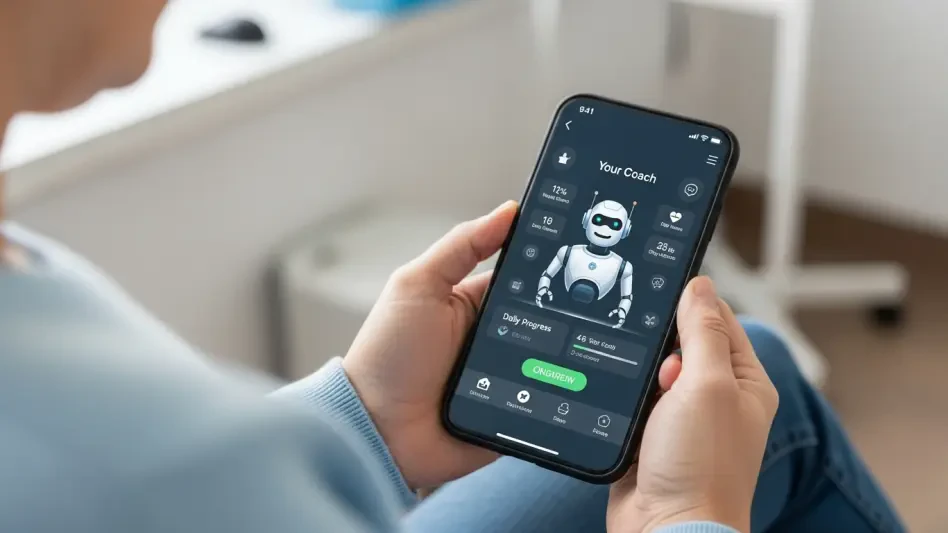
The disparate outcomes of these two cases revealed a crucial insight into the current state of AI health technology: its effectiveness is overwhelmingly dependent on the quality and nature of the input data. The AI faltered significantly when tasked with interpreting the relatively unstructured and often unreliable data from a consumer wellness device. However, it excelled when provided with comprehensive, official medical records, demonstrating a sophisticated ability to synthesize complex clinical information. This distinction suggested that the immediate promise of these tools lay not in acting as a day-to-day wellness coach but as a powerful analytical engine for complex medical histories. The future role of these platforms appeared to be one of a collaborative partner, a tool that could augment the diagnostic process for both patients and clinicians by uncovering insights from data that might otherwise remain buried. This evolving dynamic signaled a necessary shift in healthcare, where providers who learned to work alongside these AI assistants would likely find themselves better equipped to serve their patients, while those who resisted them risked being left behind. Ultimately, the consensus among experts was one of cautious optimism, recognizing that while the technology was still in its infancy and required human oversight, its potential for positive transformation was immense and undeniable.