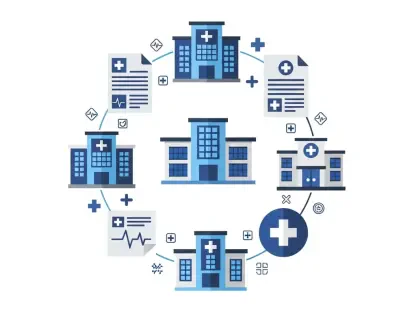

The modern medical landscape has reached a critical juncture where a single line of malicious code can prove just as lethal as a biological pathogen in a crowded emergency room. As hospitals become more reliant on digital interfaces, the gap between technical security and bedside care has narrowed significantly. The United States healthcare sector is currently navigating a high-stakes transition where digital connectivity and patient care are inseparable. While technological integration has improved clinical outcomes, it has also expanded the attack surface for sophisticated cyber threats. The introduction of the Health Care Cybersecurity and Resilience Act signals a major federal effort to stabilize this fragile infrastructure, recognizing that the current state of industry security is a matter of national importance.
Strengthening the Digital Foundation of Modern American Medicine
Technological integration has revolutionized the speed of diagnosis, yet it has introduced systemic risks that require immediate attention. Current trends indicate that healthcare organizations are frequently targeted because of the high value of their data and the critical nature of their services. This legislation addresses these concerns by treating cybersecurity as a core component of medical infrastructure rather than an optional IT expense.
By establishing a federal framework for resilience, the act attempts to standardize the way hospitals defend against intrusions. This centralized approach ensures that a breach in one network does not lead to a cascading failure across the entire national health system. The focus remains on building a foundation that can withstand the evolving tactics of digital adversaries.
Analyzing the Shift Toward a Patient-First Security Strategy
Emerging Threats and the Evolution of Clinical Resilience
The healthcare industry is witnessing a pivot where cybersecurity is no longer viewed as a back-office IT concern but as a patient safety imperative. Current trends show that hackers are moving beyond simple data theft to targeting clinical workflows, which can delay life-saving treatments and disrupt emergency services. To counter this, emerging defensive technologies are being prioritized to protect the physical well-being of patients during digital outages.
Forecasting the Impact of Federal Investment on Healthcare Defense
Market data suggests that without government intervention, the financial burden of ransomware could cripple smaller health systems. Growth projections for the industry now account for the infusion of federal grants and specialized training tools aimed at closing the security gap. From 2026 to 2029, these performance indicators suggest that standardized resilience protocols will become a primary driver of market stability and provider reliability.
Navigating the Complex Realities of Healthcare Vulnerability
Healthcare organizations face unique obstacles, particularly the resource gap found in rural communities and among smaller providers who lack the capital for high-end defense systems. Additionally, the prevalence of legacy medical devices creates persistent vulnerabilities that are difficult to patch. Overcoming these challenges requires a dual strategy involving direct financial support from the federal government and a cultural shift toward proactive breach-prevention strategies.
Furthermore, the complexity of modern medical supply chains means that a single vulnerable vendor can compromise dozens of hospitals simultaneously. Addressing these systemic weaknesses necessitates a collaborative effort between device manufacturers and healthcare administrators. By fostering this cooperation, the act seeks to eliminate the blind spots that currently exist in the digital medical ecosystem.
Reimagining Governance Through the Health Care Cybersecurity and Resilience Act
The regulatory landscape is undergoing a significant overhaul as lawmakers look to modernize HIPAA and introduce mandatory minimum security standards. By mandating closer coordination between the Department of Health and Human Services and the Cybersecurity and Infrastructure Security Agency, the Act creates a more unified regulatory front. These changes force compliance to move beyond paperwork, focusing instead on active incident response and the implementation of a national security framework.
Moreover, the act emphasizes the importance of transparency in reporting breaches, which allows for a more rapid collective response. This shift in governance ensures that health systems are not just reacting to threats in isolation but are part of a larger, more informed network of defense.
The Road Ahead for Proactive National Incident Response
The future of the industry lies in the successful implementation of a formal national cybersecurity incident response plan. As healthcare continues to adopt telehealth and remote monitoring, the definition of a secure environment will expand. Future growth will be dictated by how well innovation can be balanced with regulation, ensuring that new medical technologies are built with security-by-design principles to withstand global digital hostility.
Final Verdict: Can Legislative Mandates Ensure Bedside Safety?
The Health Care Cybersecurity and Resilience Act functioned as a vital step toward protecting the American public from systemic digital failure. Its success depended on the consistent execution and funding that followed the initial committee approval process. Stakeholders moved toward a model where digital hygiene became as standardized as surgical sterilization in every clinical setting. This legislative shift ensured that the focus remained on underserved providers, creating a baseline of defense that previously did not exist. By integrating these mandates, the industry established a framework that prioritized long-term resilience over temporary fixes, setting a new global standard for medical data protection.