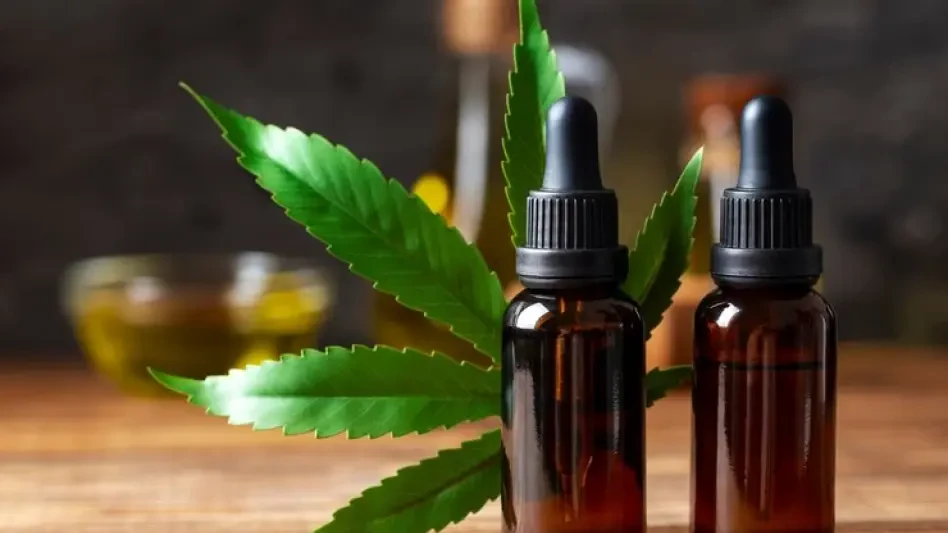

The sight of cannabidiol-infused products on the shelves of gas stations and grocery stores has become commonplace, nestled between energy drinks and snacks, creating a profound paradox for a compound heralded for its immense therapeutic potential. For years, this easy access has fueled a wellness craze, but it has simultaneously undermined CBD’s credibility within the medical community. Now, with transformative federal legislation enacted, the critical question arises: can stringent regulation finally shepherd CBD from the checkout aisle to the pharmacy counter, cementing its role as a legitimate medicine? This shift hinges on separating the compound from its psychoactive counterpart, THC, and establishing a new paradigm of purity, potency, and professional oversight that physicians can trust and patients can rely on.
From Gas Stations to Pharmacies: A Wellness Fad or Future Medicine?
The widespread availability of CBD has created a landscape of deep consumer confusion and significant clinical skepticism. For the average person, the distinction between a therapeutic agent and a recreational intoxicant became hopelessly blurred. Products ranging from lotions and tinctures to vapes and edibles promised relief for countless ailments, yet they were sold with no medical guidance, standardized dosing, or quality control. This unregulated environment positioned CBD more as a trendy, feel-good supplement than a serious medical compound.
This paradox was a major barrier to clinical adoption. Physicians, bound by the principle of “first, do no harm,” were understandably reluctant to recommend products of unknown origin, inconsistent potency, and potential contamination. The association with the cannabis plant, however distant, carried legal and professional risks. The journey for CBD to gain legitimacy required a fundamental change—a move away from the chaotic retail market toward a structured, medically supervised framework where safety and efficacy are paramount.
The Wild West of the Unregulated CBD Market
The chaotic industry that flourished for years was built upon a critical legal gray arethe 0.3% delta-9 THC loophole. The 2018 Farm Bill defined hemp as a cannabis plant containing less than 0.3% THC by dry weight, legalizing its cultivation and sale. However, manufacturers quickly learned to exploit this definition. By producing larger, heavier products like gummies or brownies, they could include psychoactive doses of THC in milligram amounts while technically remaining compliant on a percentage basis. This practice effectively created a backdoor for intoxicating products to be sold outside of state-regulated marijuana dispensaries, flooding the market with items designed for recreation, not therapy.
This exploitation led directly to a crisis of quality and trust. With no federal oversight mandating testing, consumers were left in the dark about what they were actually ingesting. Independent studies frequently found that CBD products contained significantly more or less CBD than advertised, and many were contaminated with heavy metals, pesticides, or undisclosed levels of THC. This lack of accountability not only posed a direct risk to public health but also made it impossible for researchers and clinicians to conduct reliable studies, further stalling CBD’s medical progress.
Building a Foundation of Trust for Clinical Acceptance
To pave the way for clinical acceptance, the primary barrier—the presence of THC—had to be dismantled. The recent legislation mandating THC-free formulations was a landmark step, immediately eliminating concerns about intoxication and impairment. This change allows for a pure therapeutic evaluation of CBD’s effects, enabling clinicians to assess patient outcomes without the confounding variable of a psychoactive compound. Furthermore, this standard drastically reduces liability for medical providers and simplifies compliance with strict workplace drug-testing policies, opening CBD as a viable option for a much broader patient population.
Beyond purity, legitimacy in modern medicine demands predictable pharmacology and standardized manufacturing. For a drug to be integrated into health systems and covered by insurance, it must be produced with the same rigor as any other pharmaceutical. Regulation establishes these critical standards, ensuring that each dose is consistent, safe, and reliable. This move from artisanal batches to pharmaceutical-grade production is essential for building the trust required for physicians to prescribe CBD confidently.
A regulated environment also solves the persistent dosage dilemma that has long plagued the consumer market. Most over-the-counter products, containing low potencies of 25-100 mg, are often clinically ineffective, leading many to conclude that CBD does not work. In contrast, clinical research has shown that effective therapeutic doses for conditions like anxiety or chronic pain often start at 300-400 mg per day. The new framework enables the production and prescription of these high-potency, medical-grade formulations, ensuring patients receive an effective dose under the guidance of a healthcare professional.
An Expert’s Perspective on Purity as the Path to Legitimacy
The clinical imperative for this regulatory shift is clear: medicine must be predictable and safe. As experts like Dr. Priyanka Sharma have argued, “ultra-pure CBD without fillers and THC” is the only viable path forward. The argument rests on the principle that for CBD to be treated as a therapeutic tool, it must be stripped of all non-essential and potentially problematic components. THC, a Schedule I substance, not only adds no documented medicinal benefit to CBD’s primary mechanisms but also introduces significant risk for both the patient and the prescribing clinician. Its removal is a critical safeguard.
This new legislative direction decisively separates medicine from recreation. By closing the 0.3% THC loophole, the law creates two distinct and parallel markets. One is for regulated, adult-use THC products sold through licensed dispensaries, and the other is for pure, non-intoxicating, medical-grade CBD prescribed by clinicians. This clear demarcation ends the confusion that allowed psychoactive products to be sold under the guise of hemp-derived wellness, finally allowing each compound to be regulated and utilized for its intended purpose.
The Blueprint for a Medical CBD Future
The new landscape envisions a prescription-based model where compounded, medical-grade CBD is prescribed by licensed clinicians and dispensed through specialized channels, such as 503A compounding pharmacies. This system ensures that a patient’s treatment is based on a professional diagnosis and is integrated with their overall healthcare plan. It replaces self-experimentation with clinical supervision, guaranteeing that patients receive a product of verified purity and an appropriate, effective dosage tailored to their specific needs. This controlled distribution network is the backbone of a safe and responsible medical CBD industry.
This regulated framework has fundamentally transformed CBD’s role in healthcare. It has moved the compound from its status as a trendy wellness additive to a trusted therapeutic tool for both standalone and adjunctive therapy. Physicians now have access to a safe, non-intoxicating option to help manage a variety of conditions, integrating it alongside conventional treatments. The path was challenging, but by embracing stringent standards of purity, potency, and professional oversight, CBD has finally secured its rightful place as a valuable and legitimate compound in the modern medical toolkit.Fixed version:
The sight of cannabidiol-infused products on the shelves of gas stations and grocery stores has become commonplace, nestled between energy drinks and snacks, creating a profound paradox for a compound heralded for its immense therapeutic potential. For years, this easy access has fueled a wellness craze, but it has simultaneously undermined CBD’s credibility within the medical community. Now, with transformative federal legislation enacted, the critical question arises: can stringent regulation finally shepherd CBD from the checkout aisle to the pharmacy counter, cementing its role as a legitimate medicine? This shift hinges on separating the compound from its psychoactive counterpart, THC, and establishing a new paradigm of purity, potency, and professional oversight that physicians can trust and patients can rely on.
From Gas Stations to Pharmacies: A Wellness Fad or Future Medicine?
The widespread availability of CBD has created a landscape of deep consumer confusion and significant clinical skepticism. For the average person, the distinction between a therapeutic agent and a recreational intoxicant became hopelessly blurred. Products ranging from lotions and tinctures to vapes and edibles promised relief for countless ailments, yet they were sold with no medical guidance, standardized dosing, or quality control. This unregulated environment positioned CBD more as a trendy, feel-good supplement than a serious medical compound.
This paradox was a major barrier to clinical adoption. Physicians, bound by the principle of “first, do no harm,” were understandably reluctant to recommend products of unknown origin, inconsistent potency, and potential contamination. The association with the cannabis plant, however distant, carried legal and professional risks. The journey for CBD to gain legitimacy required a fundamental change—a move away from the chaotic retail market toward a structured, medically supervised framework where safety and efficacy are paramount.
The Wild West of the Unregulated CBD Market
The chaotic industry that flourished for years was built upon a critical legal gray arethe 0.3% delta-9 THC loophole. The 2018 Farm Bill defined hemp as a cannabis plant containing less than 0.3% THC by dry weight, legalizing its cultivation and sale. However, manufacturers quickly learned to exploit this definition. By producing larger, heavier products like gummies or brownies, they could include psychoactive doses of THC in milligram amounts while technically remaining compliant on a percentage basis. This practice effectively created a backdoor for intoxicating products to be sold outside of state-regulated marijuana dispensaries, flooding the market with items designed for recreation, not therapy.
This exploitation led directly to a crisis of quality and trust. With no federal oversight mandating testing, consumers were left in the dark about what they were actually ingesting. Independent studies frequently found that CBD products contained significantly more or less CBD than advertised, and many were contaminated with heavy metals, pesticides, or undisclosed levels of THC. This lack of accountability not only posed a direct risk to public health but also made it impossible for researchers and clinicians to conduct reliable studies, further stalling CBD’s medical progress.
Building a Foundation of Trust for Clinical Acceptance
To pave the way for clinical acceptance, the primary barrier—the presence of THC—had to be dismantled. The recent legislation mandating THC-free formulations was a landmark step, immediately eliminating concerns about intoxication and impairment. This change allows for a pure therapeutic evaluation of CBD’s effects, enabling clinicians to assess patient outcomes without the confounding variable of a psychoactive compound. Furthermore, this standard drastically reduces liability for medical providers and simplifies compliance with strict workplace drug-testing policies, opening CBD as a viable option for a much broader patient population.
Beyond purity, legitimacy in modern medicine demands predictable pharmacology and standardized manufacturing. For a drug to be integrated into health systems and covered by insurance, it must be produced with the same rigor as any other pharmaceutical. Regulation establishes these critical standards, ensuring that each dose is consistent, safe, and reliable. This move from artisanal batches to pharmaceutical-grade production is essential for building the trust required for physicians to prescribe CBD confidently.
A regulated environment also solves the persistent dosage dilemma that has long plagued the consumer market. Most over-the-counter products, containing low potencies of 25-100 mg, are often clinically ineffective, leading many to conclude that CBD does not work. In contrast, clinical research has shown that effective therapeutic doses for conditions like anxiety or chronic pain often start at 300-400 mg per day. The new framework enables the production and prescription of these high-potency, medical-grade formulations, ensuring patients receive an effective dose under the guidance of a healthcare professional.
An Expert’s Perspective on Purity as the Path to Legitimacy
The clinical imperative for this regulatory shift is clear: medicine must be predictable and safe. As experts like Dr. Priyanka Sharma have argued, “ultra-pure CBD without fillers and THC” is the only viable path forward. The argument rests on the principle that for CBD to be treated as a therapeutic tool, it must be stripped of all non-essential and potentially problematic components. THC, a Schedule I substance, not only adds no documented medicinal benefit to CBD’s primary mechanisms but also introduces significant risk for both the patient and the prescribing clinician. Its removal is a critical safeguard.
This new legislative direction decisively separates medicine from recreation. By closing the 0.3% THC loophole, the law creates two distinct and parallel markets. One is for regulated, adult-use THC products sold through licensed dispensaries, and the other is for pure, non-intoxicating, medical-grade CBD prescribed by clinicians. This clear demarcation ends the confusion that allowed psychoactive products to be sold under the guise of hemp-derived wellness, finally allowing each compound to be regulated and utilized for its intended purpose.
The Blueprint for a Medical CBD Future
The new landscape envisions a prescription-based model where compounded, medical-grade CBD is prescribed by licensed clinicians and dispensed through specialized channels, such as 503A compounding pharmacies. This system ensures that a patient’s treatment is based on a professional diagnosis and is integrated with their overall healthcare plan. It replaces self-experimentation with clinical supervision, guaranteeing that patients receive a product of verified purity and an appropriate, effective dosage tailored to their specific needs. This controlled distribution network is the backbone of a safe and responsible medical CBD industry.
This regulated framework has fundamentally transformed CBD’s role in healthcare. It has moved the compound from its status as a trendy wellness additive to a trusted therapeutic tool for both standalone and adjunctive therapy. Physicians now have access to a safe, non-intoxicating option to help manage a variety of conditions, integrating it alongside conventional treatments. The path was challenging, but by embracing stringent standards of purity, potency, and professional oversight, CBD has finally secured its rightful place as a valuable and legitimate compound in the modern medical toolkit.