
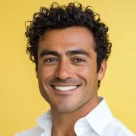
Faisal Zain brings a sophisticated, grounded perspective to the intersection of medical technology and healthcare policy, drawing from years of experience in high-stakes manufacturing and diagnostic innovation. As an expert who understands how federal regulations trickle down to the assembly line and eventually the patient’s bedside, Zain offers a unique vantage point on the current healthcare crisis unfolding in the American West. Our conversation explores the shifting landscape of Nevada’s healthcare system, where the looming implementation of the “One Big Beautiful Bill Act” threatens to reshape the lives of hundreds of thousands. We delve into the precarious balance between state-level gubernatorial politics and federal mandates, the economic anxieties of a workforce dominated by independent contractors, and the deeply personal stakes for those caught in the crosshairs of eligibility checks.
The following discussion examines the critical themes of healthcare affordability as a primary voter motivator in swing states, the diverging strategies of political leaders regarding reproductive and transgender health, and the forecasted impact of Medicaid funding cuts on state infrastructure.
With federal work requirements and more frequent eligibility checks on the horizon, how do you see these policy shifts affecting the day-to-day lives of vulnerable patients who rely on consistent care?
The reality on the ground is that these administrative hurdles create a profound sense of “eligibility anxiety” that can be just as debilitating as a physical ailment. Take a 38-year-old resident like Steven Cohen, who navigates life with autism and relies on the dual enrollment of Medicaid and Medicare; for him, the threat of losing coverage isn’t just a political talking point, it’s a direct threat to his mental health visits which sometimes occur multiple times a week. When you introduce frequent checks, you aren’t just verifying data; you are adding a layer of stress that often results in people skipping necessary care because they fear the sudden onset of insurmountable copays. We are looking at a future where an estimated 70,000 Nevadans could lose their Medicaid coverage under these new rules, creating a massive gap in the continuum of care. It is heartbreaking to think of patients who have finally found a stable treatment rhythm suddenly being forced to choose between their prescriptions and their grocery bills.
Nevada currently holds the fourth-highest uninsurance rate in the country at 11.4 percent. How does the state’s unique economic structure, with its heavy reliance on the “gig economy,” complicate the push for universal coverage?
Nevada’s economy is a unique beast because it’s built on the backs of nearly 300,000 self-employed individuals, freelancers, and independent contractors who don’t have the safety net of employer-sponsored insurance. These workers are essentially walking a tightrope every day, and while the ACA health exchange saw a record 110,000 sign-ups for 2025, we’ve already seen a 5.5% decrease in enrollment as subsidies expire and costs climb. When you have a workforce that is this mobile and non-traditional, any dip in affordability or increase in bureaucratic friction leads directly to people opting out of the system entirely. It’s a sensory overload for these families to watch health insurance premiums rise while their take-home pay stays stagnant in a post-pandemic economy. They are feeling the pinch in a very visceral way, and that fatigue is turning into a “surly” political energy that could flip the state in any direction.
The political landscape in Nevada seems to be a tug-of-war between traditional GOP values and the practical needs of a diverse population. How are the two gubernatorial candidates navigating these healthcare landmines?
It is a fascinating study in contrasts because Governor Lombardo is trying to “thread the needle” by distancing himself from some of the more polarizing national rhetoric while still maintaining his MAGA endorsements. He’s signed bills that protect out-of-state abortion seekers and prohibit gender discrimination in insurance, yet he’s also used his veto pen on gender-affirming care protections, which creates a very complex, almost contradictory healthcare profile. On the other side, you have Aaron Ford, whose platform is deeply rooted in his personal history of raising a son while relying on Section 8 housing, Medicaid, and food stamps. Ford’s “Affordable Nevada” plan focuses on the raw, emotional reality of medical debt and the necessity of public-option plans, which resonates with the two-thirds of voters who say they worry more about healthcare costs than they do about housing or gas. This isn’t just a debate over policy; it’s a debate over whose lived experience better reflects the struggle of the average Nevadan who is just trying to survive the next round of inflation.
We are seeing projections that the number of uninsured people could rise by 7.5 million nationwide by 2034 due to these legislative changes. What does this mean for the stability of state-run programs like SNAP and Medicaid?
The ripple effect of these cuts is going to be felt in every corner of the state budget, as the decrease in federal support forces local governments to make impossible choices. We’ve already seen 28,000 people in Nevada lose access to SNAP in a single month this past May, which directly translates to increased food insecurity and, ultimately, poorer health outcomes that the state will eventually have to pay for in emergency room visits. By 2034, the forecasted decrease of 2.4 million people receiving SNAP nationwide every month will create a massive strain on community resources and behavioral health centers. When you remove that fundamental layer of support, you aren’t just saving money on a spreadsheet; you are dismantling the preventive infrastructure that keeps a population productive and healthy. The sheer scale of 7.5 million more people without insurance is a daunting figure that suggests we are moving toward a much more fractured and expensive healthcare reality.
With 3 in 10 voters reporting that they don’t trust either party to handle healthcare, how can leaders rebuild confidence in a system that many feel has abandoned them?
Rebuilding trust requires a move away from “textbook” partisan playbooks and a return to addressing the “encompassing” and “complicated” nature of healthcare that even Governor Lombardo admitted surprised him. Voters are tired of the “ping-ponging” between parties that results in very little actual change in their monthly bills or their ability to see a specialist. To win back that 30 percent of the electorate, leaders need to show concrete actions—like canceling medical debt or expanding community behavioral health centers—rather than just pointing fingers at federal mandates. There is a deep-seated cynicism among nonpartisan voters in Clark and Washoe counties who feel that government bad decisions are the primary reason they are suffering. If a candidate can demonstrate that they will use the legal power of the state to protect enrollees, as Aaron Ford’s supporters hope he will, that might be the only way to break through the fatigue.
What is your forecast for the healthcare landscape in Nevada over the next decade?
My forecast for Nevada is one of significant volatility where the state will become a laboratory for whether a public-option can truly offset federal retrenchment. I expect we will see the uninsurance rate fluctuate wildly as the 300,000 self-employed residents move in and out of the marketplace based on the availability of subsidies and the stringency of eligibility checks. We are likely to see a continued “affordability election” cycle where healthcare remains the top priority, potentially leading to more state-level protections for vulnerable populations as a defense against federal cuts. Ultimately, the survival of Nevada’s healthcare system will depend on its ability to integrate Medicaid, the ACA marketplace, and public employee benefits into a streamlined, resilient agency that can withstand the political winds from Washington. If the state cannot stabilize these programs, the “surly” nature of the electorate will only intensify, making Nevada a permanent, high-stakes battleground for healthcare rights.