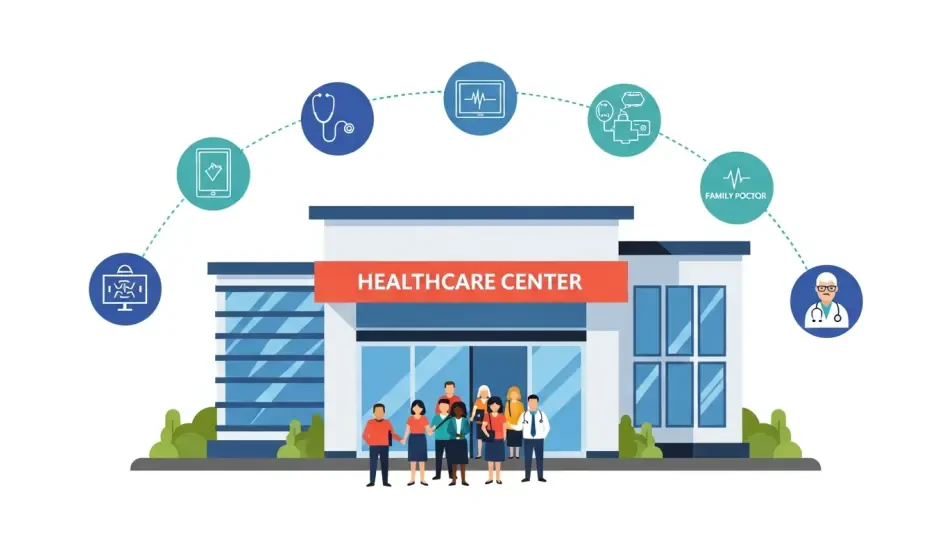

The foundational belief that medical assistance should be a fundamental human right rather than a privilege reserved for those with legal residency papers has long defined the Spanish social contract. While many nations struggle with the complexities of managing growing migrant populations, Spain has taken a definitive step toward total inclusivity by removing the final administrative barriers to the public health system. This shift represents more than just a change in paperwork; it is a calculated effort to fortify the collective health of the entire nation by ensuring no individual is left to suffer in the shadows of the informal economy.
Evolution of Universal Healthcare and Social Inclusion in Spain
The journey toward the current model began with the landmark General Health Law of 1986, which first established the principle of universal access. Before this period, healthcare was largely tied to employment and social security contributions, leaving significant gaps in the safety net. By moving toward a rights-based framework, the Spanish state acknowledged that the health of one resident directly impacts the health of all others, regardless of their legal status or country of origin.
Over the years, the National Health System (SNS) has evolved into a vital tool for social integration. Providing medical care acts as an entry point for undocumented residents to engage with official institutions, fostering a sense of belonging and reducing the risks associated with marginalized communities. This historical progression reflects a commitment to public safety, as a robust healthcare system must account for every person living within its borders to effectively manage disease prevention and community wellness.
Current Trends and Statistical Landscape of Migrant Healthcare
Emerging Patterns in Public Health Policy and Social Equity
Public health policy is currently transitioning away from a model that only provided emergency care toward one that emphasizes comprehensive primary healthcare. By allowing undocumented migrants to register for family doctors and specialists, the state is actively shifting the burden from expensive hospital emergency rooms to more cost-effective outpatient clinics. This transition is further supported by the integration of digital health records, which allow practitioners to track patient history and improve outcomes for mobile populations who may have previously lacked consistent medical oversight.
Furthermore, there is a visible change in social behavior as undocumented residents feel more confident seeking preventative screenings and mental health support. This proactive approach helps the state avoid the high fiscal costs associated with untreated chronic conditions. By treating ailments before they become life-threatening, the government is not only fulfilling a moral obligation but also ensuring that the labor force—much of which is comprised of these individuals—remains physically capable and economically productive.
Market Data and Projections for the Spanish Healthcare Sector
Performance indicators already show a notable decongestion in emergency departments across major urban centers like Madrid and Barcelona. Growth projections for primary care enrollment suggest that thousands of newly eligible individuals will enter the system over the next two years, requiring a strategic expansion of staff and resources. Despite the initial increase in spending, long-term economic analysis suggests that the benefits of a healthy, active workforce will outweigh the administrative costs of expanding coverage to the undocumented population.
Demographic data reveals that the majority of undocumented residents in Spain are of working age, meaning their primary healthcare needs often revolve around occupational health and infectious disease prevention rather than geriatric care. This demographic profile allows the SNS to tailor its resource allocation toward high-impact areas such as vaccinations and maternal health. As enrollment grows, the state is expected to leverage this data to better predict regional healthcare demands and optimize the distribution of medical supplies.
Navigating Structural and Administrative Obstacles
One of the most significant hurdles has been the bureaucratic labyrinth that historically prevented migrants from accessing the care they were legally entitled to receive. Complex requirements for proof of residence often varied significantly between the seventeen autonomous communities, leading to a fragmented system where a patient’s location determined their level of care. To address this, the central government has worked to standardize the registration process, ensuring that local health centers apply the same criteria from Andalusia to the Basque Country.
Beyond administrative hurdles, the system faces the practical challenge of language barriers and cultural differences in clinical settings. Doctors and nurses are increasingly required to utilize translation services and cultural mediation to provide effective treatment. Moreover, the strain on primary care infrastructure remains a concern, as the influx of new patients requires a balanced approach to staffing to ensure that wait times do not increase for the general population.
The Regulatory Framework and the New Royal Decree
The recent Royal Decree serves as the legislative backbone for these changes, specifically designed to eliminate the ambiguity surrounding healthcare eligibility. A central feature of this decree is the concept of administrative silence; if an application for healthcare access is not processed within three months, it is automatically approved. This protection ensures that bureaucratic delays do not endanger the lives of patients who are waiting for their documentation to be finalized by regional authorities.
To maintain the integrity of the system, the decree also establishes clear compliance standards for regional health authorities. While the regions manage their own budgets, they must now adhere to a unified national standard for migrant care. Additionally, the law includes strict data security measures to ensure that a patient’s medical registration is not used for immigration enforcement purposes, thereby building the trust necessary for vulnerable individuals to seek help.
The Future of Global Health Integration and Policy Innovation
Spain’s inclusive approach is increasingly viewed as a potential blueprint for a broader European Union migration policy. As other member states grapple with similar demographic shifts, the Spanish model offers a case study in how to balance human rights with public health efficiency. The move toward digital IDs and temporary health documentation is expected to become more sophisticated, utilizing blockchain or other secure technologies to manage patient data across borders and regional lines.
Looking forward, the healthcare system is poised to expand its specialized services for particularly vulnerable groups, including victims of human trafficking and individuals with physical disabilities. These innovations will likely involve closer collaboration between the healthcare sector and social services to provide a holistic support network. By integrating health into the broader immigration reform strategy, Spain is positioning itself as a leader in social innovation within the Mediterranean region.
Summary of Public Health Advancements and Strategic Outlook
The implementation of these comprehensive healthcare reforms represented a significant milestone in reducing social inequality and strengthening the resilience of the national health system. By prioritizing early intervention and administrative transparency, the government successfully mitigated many of the risks associated with a tiered healthcare model. Regional coordination was essential in ensuring that the spirit of the law was felt in every clinic and hospital, regardless of local political climates.
The transition toward a fully inclusive welfare state provided a stable foundation for managing shifting global migration trends. Future policy considerations should focus on the continued integration of specialized medical services and the expansion of digital health infrastructure to maintain this momentum. As the nation moved away from restrictive access policies, it discovered that the most efficient way to protect public health was to embrace a strategy that recognized the dignity and medical needs of every resident.