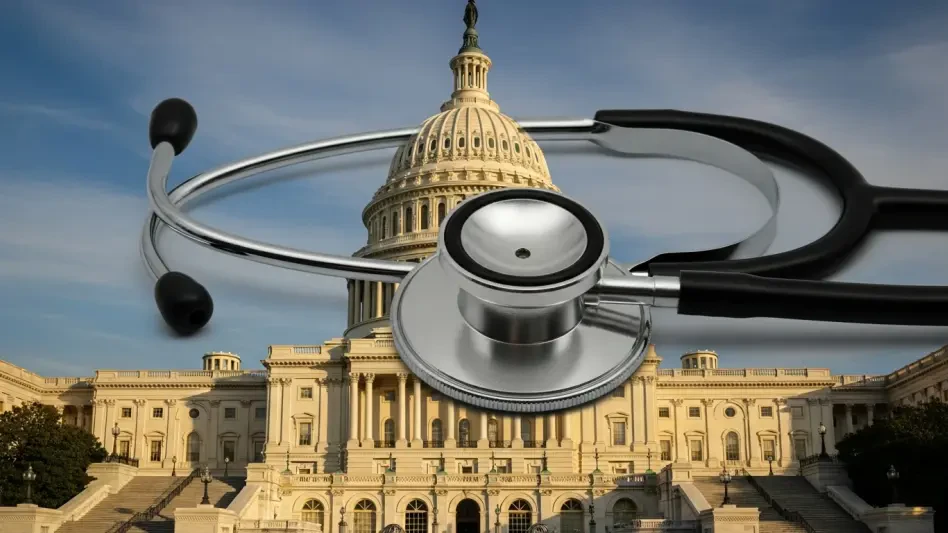

A landmark piece of legislation, born from intense negotiation to prevent a government shutdown, has arrived with a complex mix of healthcare reforms that promise both significant progress and potential peril for millions of Americans. While some patient advocates celebrate targeted wins in care access and drug pricing, others warn of a looming crisis that could erase those gains entirely. The central question is whether this package, as a whole, truly moves the needle in favor of the patient.
From Political Compromise to Patient Impact: Unpacking the New Bipartisan Health Bill
The new healthcare provisions are embedded within a massive $1.2 trillion spending package, a legislative necessity crafted under the immense pressure of a looming government shutdown. This high-stakes context meant that policy was forged through compromise, blending essential program extensions with new regulatory frameworks. The result is not a sweeping overhaul but a collection of targeted changes that will have far-reaching effects on how Americans receive and pay for medical services.
This combination of continued funding, program renewals, and policy shifts directly influences the cost and availability of care. From extending modern medical delivery methods to reforming the opaque world of prescription drug pricing, the bill touches nearly every corner of the healthcare system. Consequently, its impact will be felt by patients in rural clinics, urban hospitals, and local pharmacies across the country.
The critical question, however, is one of balance. Does the tangible progress made in telehealth accessibility and cost-control measures outweigh the bill’s most significant omission? This article unpacks the core provisions to offer a balanced perspective on whether the legislation ultimately represents a step forward or a painful compromise for the American patient.
Evaluating the Core Provisions and Their Real-World Consequences
Extending the Reach of Modern Medicine: A Closer Look at Telehealth and At-Home Care
The decision to extend pandemic-era telehealth flexibilities for another two years is widely viewed as a crucial victory for access. This provision ensures that patients, particularly those in rural and medically underserved communities, can continue to receive care virtually, breaking down geographical and logistical barriers that often prevent timely medical attention. For many, virtual consultations have become an indispensable part of managing chronic conditions and receiving mental health support.
Moreover, the five-year renewal of the hospital-at-home program marks a strategic endorsement of innovative care models. This initiative allows patients to receive hospital-level treatment in the comfort of their own homes, a strategy that helps alleviate strain on overcrowded facilities and can significantly lower costs for both the healthcare system and the individual. Proponents see this as a key step toward a more flexible and patient-centered healthcare infrastructure.
However, as these services become more integrated into the system, a new debate is emerging around ensuring quality and equity. Policymakers and providers now face the challenge of establishing robust standards for virtual and home-based care. The central concern is preventing a two-tiered system in which the quality of remote services does not match that of in-person treatment, a risk that demands careful oversight and regulation.
Taking Aim at the Middleman: How PBM Reform Could Reshape Prescription Drug Costs
One of the bill’s most significant reforms targets the powerful but little-understood role of Pharmacy Benefit Managers (PBMs) within Medicare Part D. New regulations mandate unprecedented transparency, requiring PBMs to disclose pricing, rebates, and fees. Crucially, the legislation also bans the controversial practice of “spread pricing,” where a PBM charges a health plan more than it reimburses the pharmacy and pockets the difference.
At the heart of this reform is the move to delink PBM compensation from the list price of medications. Previously, PBMs often had a financial incentive to favor more expensive drugs, as their fees were calculated as a percentage of the price. This new structure is designed to remove that conflict of interest, encouraging the use of more cost-effective treatments and fostering a more competitive marketplace.
Despite these promising changes, a significant risk remains: the savings generated at the systemic level may not fully translate to lower out-of-pocket costs for patients at the pharmacy counter. Health policy analysts caution that without additional measures, insurers and PBMs could find other ways to retain these savings. The true test of this reform will be whether patients see a noticeable reduction in their prescription drug expenses.
The Elephant in the Room: The Unaddressed Crisis of ACA Subsidy Expiration
In a move that has stunned many patient advocacy groups, the legislative package failed to extend the enhanced Affordable Care Act (ACA) premium tax credits. This decision is poised to trigger a coverage crisis for millions of Americans who will face steep increases in their monthly health insurance premiums, potentially pushing affordable coverage out of reach.
The consequences of this omission are expected to create a damaging ripple effect across the entire healthcare system. As enrollment in ACA marketplace plans declines, hospitals and clinics will likely see a sharp rise in uncompensated care. This financial strain often forces providers to shift costs to patients with commercial insurance, driving up prices for everyone and threatening the financial stability of healthcare institutions.
This single failure challenges the narrative of the package as an overall “win” for patients. For the vast segment of the population that relies on these subsidies, any benefits gained from telehealth or PBM reform could be completely nullified by the loss of their fundamental health coverage. It represents a profound disconnect between the bill’s targeted improvements and the basic need for affordable insurance.
Beyond the Headlines: Stabilizing the Safety Net and Funding Future Breakthroughs
Buried deeper in the legislation are critical provisions that stabilize the nation’s healthcare safety net. The bill delays scheduled cuts to Medicaid Disproportionate Share Hospital (DSH) payments until fiscal year 2028. These payments are a financial lifeline for hospitals that serve a high number of Medicaid and uninsured patients, and delaying the cuts prevents immediate instability for these essential providers.
Furthermore, the extension of payment adjustments for rural and low-volume hospitals addresses the ongoing crisis of healthcare access in medically underserved areas. These funds are vital for keeping the doors of small, rural hospitals open, ensuring that residents do not have to travel long distances for essential medical care. This support is a direct investment in the health infrastructure of communities that are often left behind.
The package also allocates increased funding for the National Institutes of Health (NIH), a move intended to fuel future medical breakthroughs and public health initiatives. However, this long-term investment must be weighed against the immediate financial pressures created elsewhere in the bill. While NIH funding promises future benefits, the lack of ACA subsidies creates a present-day crisis, highlighting the difficult trade-offs inherent in the legislation.
The Final Verdict: Navigating the New Healthcare Landscape
In synthesizing the package’s impact, the primary gains for patients lie in expanded access to care through telehealth and at-home services, alongside initial, meaningful steps toward reining in prescription drug costs. These provisions modernize aspects of the healthcare system and address long-standing frustrations with industry practices, offering tangible benefits for specific patient populations.
Given the new landscape, patient advocates and policymakers are urged to focus immediate attention on mitigating the loss of ACA subsidies. This will likely require a concerted push for state-level solutions and renewed federal action to prevent a widespread loss of coverage. The fight for affordable insurance has now shifted, demanding new strategies and heightened urgency.
For patients navigating these changes, proactive steps are essential. It is advisable to check eligibility for telehealth services with insurance providers, inquire at local pharmacies about how PBM reforms might affect prescription costs, and actively seek assistance from navigators and advocacy groups if facing new challenges with coverage affordability.
A Divided Outcome With an Uncertain Future
Ultimately, the healthcare package presents a fractured reality. For some, it is a definitive win, securing modern care modalities and promising lower drug costs. For others, it is a significant loss, marked by the looming threat of unaffordable health insurance. This division defies any simple positive or negative label, leaving the nation with a complex and uneven outcome.
The ongoing debate over healthcare affordability is underscored as the central, unresolved issue facing the American public. While the legislation tackled peripheral and structural problems, it sidestepped the fundamental question of how to ensure every citizen can secure and maintain comprehensive health coverage without financial hardship.
This mixed result serves as a call for continued vigilance. The tangible impacts of this legislation on communities nationwide must be closely monitored, and citizens are urged to advocate for more comprehensive solutions that address not just the mechanisms of healthcare delivery but the foundational promise of its accessibility to all.