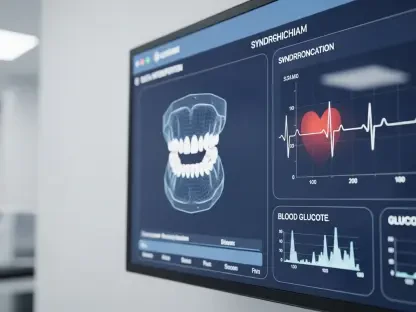

For decades, the success of the Malaysian medical system was measured by the sheer height of its hospital towers and the number of specialized beds available to the public. This long-standing obsession with physical infrastructure has created a paradox where a world-class reactive system struggles to contain a tidal wave of preventable chronic conditions. Today, as the nation stands at a demographic crossroads, the conversation is finally shifting away from how many patients can be treated toward how many people can be kept out of the hospital entirely.
Redefining the Malaysian Healthcare Landscape: Beyond Hospital Walls
The current dual-tier system in Malaysia represents a unique blend of highly subsidized public accessibility and high-end private medical excellence. While this has historically provided a safety net for the masses, the model is increasingly under strain due to a growing reliance on acute care for long-term health issues. Moving toward a wellness paradigm requires a fundamental rewrite of the national health script. Instead of waiting for a cardiac event to occur, the focus is pivoting to a proactive approach where the journey begins in the community rather than the emergency room.
Core segments of this transition include the revitalization of primary care clinics and the expansion of community-based health services. These frontline facilities are being reimagined as the central hubs for health management, rather than simple referral points for larger institutions. The ongoing influence of the Health White Paper and recent government initiatives provides a structural blueprint for this reform, emphasizing that systemic longevity depends on decentralized care. By moving the “center of gravity” away from specialized hospitals, the system can focus on the holistic needs of the population.
Navigating the Shift Toward a Proactive Medical Ecosystem
Emerging Trends in Community Health and Wellness
A significant trend currently reshaping the industry is the development of decentralized “defense lines” through primary care. This involves a transition where the local clinic becomes the primary site for advanced diagnostics and continuous monitoring. We are also seeing the rise of personalized medicine, where genetic screening is no longer a luxury but a tool for early risk assessment. This allow clinicians to identify predispositions to conditions like diabetes or specific cancers before any physiological symptoms manifest, enabling highly targeted interventions.
The integration of Health in All Policies (HiAP) is another critical development, signaling that health is no longer the sole responsibility of the Ministry of Health. Urban planning and food regulation are becoming central to medical discussions as authorities attempt to combat the sedentary lifestyles prevalent in modern Malaysian cities. At the same time, consumer behavior is evolving rapidly. Younger demographics are displaying higher levels of health literacy, actively seeking out self-monitoring tools and wearables that provide real-time data on their physical state, effectively becoming co-managers of their own wellness.
Market Projections and the Economic Value of Prevention
From a fiscal perspective, the cost-benefit ratio of preventive care is becoming impossible to ignore. Reducing the long-term burden of Non-Communicable Diseases (NCDs) is essential for the sustainability of the national budget, as treating advanced complications is exponentially more expensive than early management. Market forecasts indicate robust growth for the Malaysian health-tech sector, particularly in diagnostic services and remote monitoring technologies. This economic shift is attracting significant domestic and foreign investment into outpatient care facilities through 2030.
Wellness infrastructure is currently outpacing traditional hospital construction in terms of new investment projects. Investors are increasingly looking at community health hubs and specialized screening centers as high-growth assets. This trend reflects a broader belief that the future of medical profitability lies in keeping a population healthy rather than managing their decline. As the diagnostic market expands, we expect to see more competitive pricing for advanced screenings, making proactive health management accessible to a wider socio-economic bracket.
Overcoming Structural and Cultural Barriers to Reform
The “Hospital Fallacy” remains a formidable hurdle, as both the public and political leaders often view large-scale infrastructure projects as the only tangible sign of progress. Breaking this bias requires a cultural shift that values invisible successes—the heart attacks that never happened and the diabetes cases that remained in remission. Furthermore, the distribution of human resources is a pressing concern. Ensuring that talented medical professionals are incentivized to work in primary care rather than gravitating toward high-paying hospital specialties is vital for a balanced ecosystem.
Equity gaps between urban centers and rural communities also persist, making the delivery of preventive care a logistical challenge. While digital health offers a partial solution, the underlying socio-economic hurdles to healthy living, such as the high cost of fresh produce and lack of safe exercise spaces in low-income areas, require direct intervention. Overcoming the cultural resistance to lifestyle changes is equally complex; it involves moving beyond simple awareness campaigns to creating environments where the healthy choice is the easiest and most affordable option for every citizen.
The Regulatory Framework and Policy Catalysts for Change
Recent legislative moves, such as the Control of Smoking Products for Public Health Act and the implementation of sugar taxes, serve as aggressive policy catalysts. These regulations aim to curb the primary drivers of NCDs by making unhealthy habits more expensive and less socially acceptable. Parallel to this, the governance of digital health is being refined to ensure that as the sector moves toward telemedicine and electronic health records (EHR), data privacy and quality assurance remain paramount. This regulatory clarity is essential for building public trust in community-based diagnostic laboratories.
Public-private partnerships (PPP) are playing an increasingly important role in scaling these initiatives nationwide. By leveraging the efficiency of the private sector and the reach of public institutions, the government can implement mass screening programs that would be impossible to manage alone. These collaborations are setting new standards for compliance and quality in community clinics, ensuring that a patient in a rural health center receives the same standard of preventive care as someone in a premium urban facility.
The Horizon of Innovation: What Lies Ahead for Patients?
The digital revolution is set to introduce AI-driven predictive analytics into standard clinical practice, allowing for a future where remote patient monitoring is the norm. In this scenario, health providers can intervene the moment an algorithm detects an anomaly in a patient’s data, potentially preventing a crisis before the patient even feels unwell. Furthermore, the concept of Smart Cities is evolving to include health-centric urban design, where walkable spaces and integrated green zones are engineered into the city fabric to naturally reduce rates of obesity and heart disease.
The evolution of health insurance is another area ripe for disruption. The industry is gradually moving toward value-based healthcare reimbursement models, where providers are rewarded for positive health outcomes rather than the volume of procedures performed. On the horizon, we can expect to see the rise of hyper-localized health hubs and “clinics on wheels” that bring advanced screening technology directly to the doorstep of underserved populations. These innovations will likely dismantle the traditional barriers to entry, making healthcare a seamless part of daily life.
Conclusion: Securing Malaysia’s Health Through Early Intervention
The transition toward a preventive healthcare model was recognized as a fiscal and social imperative. Stakeholders acknowledged that the sustainability of the national health budget depended almost entirely on the success of early intervention strategies. It became clear that a multi-sectoral approach—one that unified urban planners, educators, and clinicians—was the only viable path forward. Strategic recommendations focused on fostering a society that valued resilience and wellness over reactive treatment. Ultimately, the industry moved toward a more equitable system that prioritized the preservation of health as the ultimate measure of national prosperity.