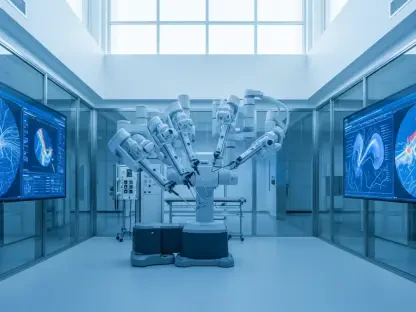

The global healthcare ecosystem is currently grappling with a structural talent mismatch that threatens to stall the progress of life-saving innovations despite the availability of cutting-edge computational tools. Managing human capital has transitioned from a routine administrative function to a critical strategic pillar, as the volatility of the market demands a more agile and technologically proficient workforce. The disconnect between traditional hiring models and the requirements of a digital-first economy has created a significant hurdle for organizations aiming to scale their operations. Rather than a simple lack of available workers, the industry faces a deficit of professionals who can seamlessly integrate artificial intelligence with clinical expertise. Bridging this gap requires a fundamental shift in how potential is identified and nurtured, moving away from static roles toward a model of fluid competency. The ability to align human talent with technology will determine which organizations lead the next wave of breakthroughs.
Evolution of the Modern Healthcare Professional
The integration of generative artificial intelligence and sophisticated data analytics into daily medical practice has fundamentally altered the baseline requirements for success in the life sciences. Professionals are no longer expected to merely execute repetitive laboratory tasks or administrative oversight; instead, they must act as sophisticated interpreters of machine-generated insights. This shift occurs as patient power reaches an all-time high, with individuals demanding faster diagnostic turnarounds and hyper-personalized treatment protocols. Consequently, the industry is witnessing a move away from rigid, siloed roles toward a model of fluid potential. Agility has become the most valuable currency in a market where regulatory frameworks are in constant flux and technological disruptions are the norm. To remain competitive, organizations must identify individuals who possess a blend of high cognitive function and the emotional intelligence necessary to navigate the complex ethics of modern medicine.
Recent labor market analysis reveals a staggering discrepancy between the sheer volume of applicants and the actual technical competency available within the specialized healthcare sector. While thousands of candidates may apply for a single position in clinical research or pharmaceutical logistics, a significant majority lack the cross-functional expertise required to bridge the gap between digital strategy and scientific application. This scarcity is particularly acute in regions like Mexico and parts of Southeast Asia, where upwards of 70% of firms report difficulty in securing talent that possesses both the necessary academic background and the practical adaptability to handle evolving workflows. The ideal professional is a multidisciplinary navigator who understands the entire healthcare ecosystem, moving beyond narrow departmental boundaries. Success now hinges on finding candidates who view their careers as a continuous journey of evolution rather than a destination defined by a specific degree or job title, necessitating a complete overhaul of hiring criteria.
Cultivating a Customized Employee Value Proposition
Attracting top-tier talent in the current competitive landscape requires far more than offering a high salary or a robust benefits package; it demands a radical reimagining of the employee experience. The phenomenon of disengagement, often referred to as quiet quitting, continues to plague the industry, with nearly 60% of the global workforce reporting a lack of emotional connection to their daily tasks. This disconnect is particularly damaging in life sciences, where the pace of innovation relies heavily on proactive problem-solving and creative collaboration. To combat this, leaders are pivoting toward a highly personalized employee value proposition that prioritizes a clear sense of purpose. When employees can see a direct link between their contributions and improved patient outcomes, their level of commitment naturally increases. This transition from a transactional relationship to a mission-driven one is essential for maintaining momentum in an era where the competition for digital-native talent is fiercer than it has ever been in the history of the sector.
The modern workforce, especially those specializing in bioinformatics and artificial intelligence, views professional success through a lens of extreme personalization and work-life integration. For these high-demand specialists, the traditional boundaries between personal and professional life have dissolved, replaced by a need for flexibility that treats remote and hybrid arrangements as a standard requirement. Young professionals entering the healthcare field today do not prioritize career advancement at the expense of their quality of life; instead, they seek employers who offer flat organizational structures and a culture of genuine empowerment. This cultural shift requires companies to dismantle outdated hierarchies that stifle innovation and instead foster environments where new ideas are welcomed from all levels of the organization. By tailoring rewards and career paths to the unique needs of the individual, organizations can foster a deeper sense of loyalty and resilience, ensuring that their most innovative minds remain engaged during periods of change.
Strategic Integration of Internal Growth Mechanisms
As the cost and difficulty of external recruitment continue to rise, the emphasis has shifted toward leveraging internal development as a primary engine for organizational stability and growth. Upskilling programs, which focus on enhancing the existing competencies of employees to meet new digital demands, have become a cornerstone of the most successful life sciences firms. Simultaneously, reskilling initiatives allow companies to transition experienced staff into entirely new roles, preserving institutional knowledge while filling critical gaps in emerging departments such as data privacy or AI ethics. This dual-pronged approach not only addresses immediate talent shortages but also cultivates a high-performance culture characterized by a deep sense of belonging. When an organization demonstrates a tangible commitment to the professional evolution of its workforce, it transforms its employees into brand advocates who are personally invested in the company’s long-term mission. This strategy effectively turns talent management into a sustainable competitive advantage.
The most successful healthcare organizations recognized that the decade of innovation was not won by technology alone but by the effective unlocking of human potential. Leaders prioritized strategic agility over bureaucratic stability, ensuring that their talent management practices were as dynamic as the markets they served. They replaced rigid job descriptions with competency maps that allowed for internal mobility, enabling the workforce to adapt to the rapid introduction of automated diagnostic tools. Furthermore, these companies implemented extreme personalization in their employee experience, treating each professional as a unique asset with distinct motivations and goals. By dismantling the “silent brakes” of outdated hierarchies and siloed thinking, the industry moved toward a future where human creativity served as the primary catalyst for scientific breakthroughs. Organizations that embraced these shifts secured their place at the forefront of the life sciences sector, while those who remained anchored in legacy models struggled to compete.