
The long-term care sector is navigating a period of unprecedented strain where the historical reliance on individual resilience has finally collided with the harsh realities of a diminishing labor pool and a rapidly aging global population. For decades, the industry operated under a fragile “doing more with less” philosophy, but this approach has reached a definitive breaking point. The silent collapse of traditional staffing models is forcing a radical reconsideration of how care environments are structured. It is no longer sufficient to treat the workforce as a plug-and-play resource; instead, the stability of the entire healthcare ecosystem now rests upon a fundamental structural overhaul of the workplace.
The significance of this transition cannot be overstated. As the demographic shift toward an older population accelerates from 2026 through the next decade, the demand for high-quality rehabilitation and long-term support will only intensify. Consequently, the industry is moving away from the outdated view of burnout as a personal shortcoming of the provider. Emerging trends indicate a pivot toward addressing burnout as a structural defect inherent in the design of the work environment itself. This analysis explores how the integration of co-design principles, flexible management strategies, and technology focused on cognitive relief is redefining the future of healthcare employment.
The Shift from Crisis Management to Structural Sustainability
Market Indicators: The Redefinition of Burnout
Current market indicators reveal a stark reality regarding turnover rates and the widening chasm between care demand and the available workforce supply. In the rehabilitation sector, data suggests that the gap is reaching a level where traditional recruitment efforts are no longer effective on their own. Institutional viability is increasingly measured not just by financial solvency or clinical outcomes, but by workforce stability. High turnover is now recognized as a primary threat to the quality of care, as the loss of institutional knowledge and the constant cycle of onboarding create a chaotic environment for both residents and staff.
Burnout is increasingly categorized as a design failure rather than a lack of individual stamina. Reports from the field indicate that when healthcare environments are poorly organized, the resulting moral injury and physical exhaustion are inevitable consequences of the system. This realization has shifted the focus of industry leaders toward creating “sustainable environments” where the physical and mental demands placed on workers are balanced by systemic support. Stability has become the leading metric for evaluating the health of an organization, signaling that the era of treating personnel as an infinitely renewable resource has ended.
Real-World Applications: Workforce Redesign
In response to these pressures, leading facilities are abandoning their dependence on external staffing agencies in favor of building robust internal float pools. By creating a versatile, in-house team that can navigate different departments or facilities, organizations are reclaiming control over their culture and costs. This move prioritizes long-term institutional health over the short-term fix of temporary coverage. Moreover, these internal pools allow for a higher degree of familiarity between staff and patients, which is a critical component of clinical safety and resident satisfaction.
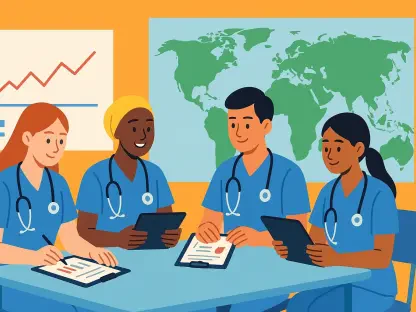
Furthermore, a transition is occurring from “coverage-driven” staffing to “continuity-driven” models. While traditional models focused on merely having a body present to fill a shift, the new paradigm emphasizes the longevity of the patient-provider relationship. Organizations are implementing team-based staffing models that distribute responsibility across a group rather than isolating it within a single provider’s assignment. This collective approach ensures that if one member of the team is overwhelmed, the system has built-in redundancies to maintain the standard of care without sacrificing the well-being of the individual.
Expert Perspectives on Empowerment and Leadership
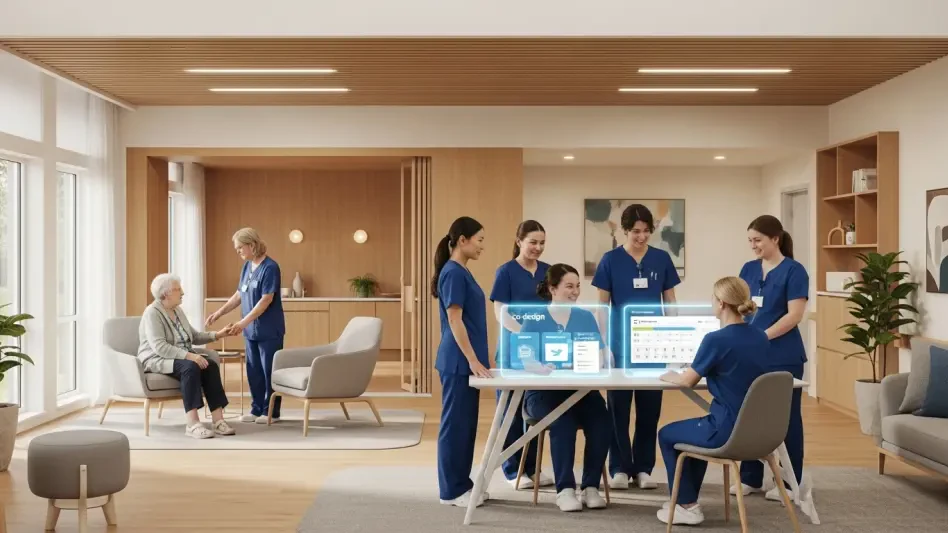
Industry executives are increasingly advocating for a “co-design” approach to operational standards. In this model, frontline staff are not merely told what to do; they help architect the workflows and communication protocols they use every day. This shift acknowledges that those closest to the bedside possess the most relevant insights into how to improve efficiency and safety. When employees are invited to the decision-making table, the result is a set of standards that are grounded in reality rather than theoretical management ideals, leading to higher rates of compliance and morale.
Leadership philosophy is also evolving from a top-down, command-and-control style to “responsiveness-based” leadership. Trust within an institution is built when management demonstrates a tangible commitment to acting on staff feedback. This transparency creates a culture where healthcare workers feel valued as professional partners rather than cogs in a machine. Experts suggest that building this institutional trust is the single most effective way to retain the next generation of workers, who often prioritize agency and organizational integrity as much as competitive wages.
The creation of professional pathways and internal mobility is another essential component of modern retention strategies. The long-term care sector must shed its reputation for dead-end roles by offering clear trajectories for career advancement. Whether through tuition assistance, mentorship, or specialized clinical training, providing staff with a vision for their future within the organization is crucial. By treating entry-level positions as the first step in a lifelong career path, facilities can cultivate a loyal workforce that grows in skill and dedication alongside the organization.
The Future of Care: Technology, Resilience, and Integration
The role of technology is being reimagined as a tool for “cognitive relief.” For years, digital integration in healthcare often meant more documentation and higher administrative burdens. However, the current trend is toward automation that reduces friction. Future systems will likely focus on eliminating repetitive tasks, streamlining data entry, and using artificial intelligence to handle background administrative functions. This allows caregivers to redirect their focus toward the human elements of their work, which is the primary reason many entered the profession in the first place.
Collective resilience is also emerging as a cornerstone of the modern workplace through peer infrastructure. Organizations are moving away from individual wellness apps and toward formal mentorship networks and team-based reflection sessions. By institutionalizing these social supports, facilities create a “safety net” that allows teams to process the emotional toll of the work together. This peer-to-peer support system is more effective at preventing long-term exhaustion than isolated interventions because it addresses the social and communal nature of healthcare work.
Despite the clear benefits of these changes, the transition is not without its hurdles. The initial costs of restructuring and the cultural resistance to departing from legacy management styles remain significant challenges. Many organizations still operate under the “this is how we have always done it” mentality, which can stifle innovation. However, treating workforce strategy as a core piece of infrastructure—equal in weight to financial or clinical performance—is becoming a competitive necessity. Those who fail to adapt to this structural reality will likely find themselves unable to compete in a market where labor is the most precious commodity.
Securing the Foundation of Long-Term Care
The transformation of the long-term care sector was characterized by a shift from viewing healthcare workers as passive participants to recognizing them as active architects of their own environments. It became clear that the sustainability of the entire system was inextricably linked to the well-being and agency of the frontline heroes who delivered care every day. As organizations moved away from temporary fixes, they began to embrace a holistic, structural transformation that prioritized the human element of medicine over mere administrative efficiency.
The industry moved toward a future where leadership accountability and technological innovation served the primary goal of supporting the workforce. Strategic investments in co-design and flexible management proved that a more humane workplace was also a more stable and profitable one. The focus shifted to actionable steps, such as establishing permanent internal float pools and integrating cognitive relief tools that allowed for more direct patient engagement. These measures laid a new foundation for care delivery that was resilient enough to withstand the demographic challenges of the coming decades.
Ultimately, the redesign of the healthcare workforce was not just an internal organizational change, but a necessary evolution for societal health. By treating the workforce as essential infrastructure, the sector secured a future where high-quality care remained accessible and the professionals providing it were empowered to thrive. The journey toward structural sustainability demonstrated that when the people maintaining the system were themselves maintained by the system, the standard of care for the most vulnerable populations was naturally elevated to its highest potential.