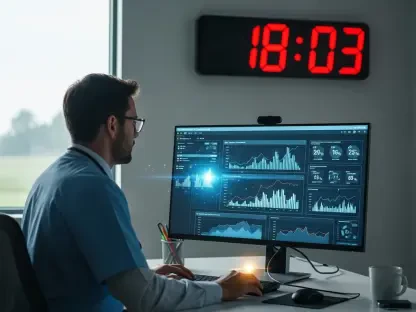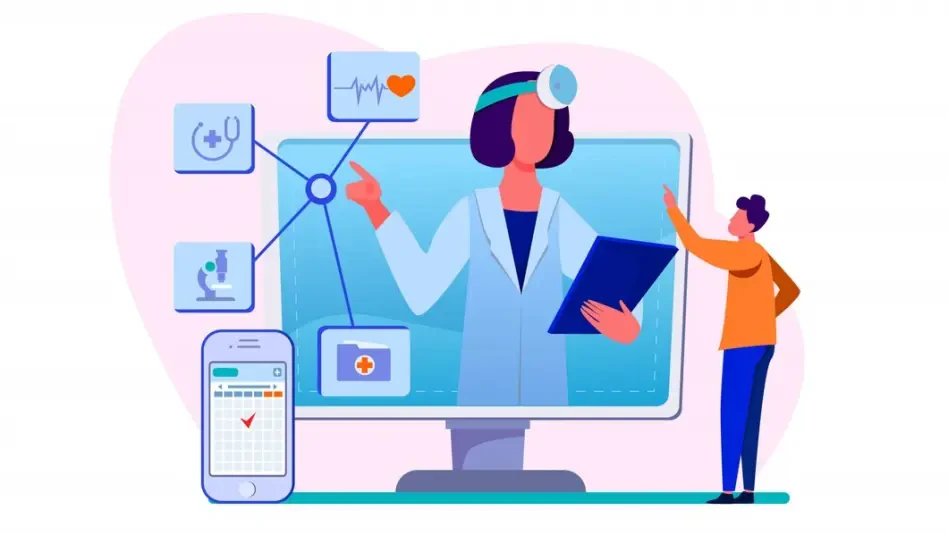

The promise of a fully automated, compliant telehealth practice delivered through a single, elegant platform remains one of the healthcare technology sector’s most compelling yet elusive goals. These telehealth governance platforms represent a significant evolution in healthcare delivery, moving beyond simple video conferencing tools to offer integrated clinical ecosystems. This review explores the architecture of these systems, their core features, their operational models, and the profound impact they have on clinical practice and regulatory compliance. To provide a clear and practical analysis, this review examines the interface between a representative platform, GoTo Telemed, and the specific licensure requirements for Physician Assistants (PAs) in Iowa, highlighting both the current capabilities of the technology and the urgent need for provider-led compliance.
The Rise of Integrated Telehealth Ecosystems
The new generation of telehealth platforms positions itself as more than just software; they are comprehensive clinical ecosystems designed to manage the entire patient care lifecycle. Their primary value proposition is the removal of administrative friction, freeing clinicians from the burdensome tasks of billing, scheduling, and credentialing to focus solely on patient care. This model fundamentally commoditizes the business of medicine, packaging complex operational logistics into a streamlined subscription service.
This operational model, while efficient, introduces a subtle but significant risk by obscuring the individual provider’s ultimate responsibility for regulatory adherence. By presenting a turnkey solution with “built-in” supervision and support, these platforms can create a false sense of security. Providers may incorrectly assume that the platform’s infrastructure automatically satisfies all state-specific legal requirements, a misconception that can lead to serious compliance violations and place their professional licenses in jeopardy. The convenience of the ecosystem does not negate the provider’s personal legal obligations.
Core Platform Features and Governance Models
Streamlining Practice with Integrated Clinical Tools
The central function of a telehealth governance platform is to connect providers within a unified digital environment, facilitating seamless collaboration and consultation. A key feature is the access to a distributed, nationwide network of supervising physicians and specialists, available on-demand. This contrasts sharply with traditional models requiring a dedicated, often on-site, supervising physician. Access is typically embedded directly within the Electronic Medical Record (EMR), allowing for asynchronous consultations where a provider can tag a chart for review without needing a real-time conversation.
Beyond clinical collaboration, these platforms derive much of their appeal from the consolidation of back-end operations. Services such as medical billing, coding, credentialing management, and even patient acquisition are bundled into the platform’s offering. This integration creates an attractive package for independent practitioners or small clinics seeking to minimize overhead and administrative complexity. However, by centralizing these functions, the platform also distances the provider from the granular details of their own practice management, including the specific legal artifacts required to prove compliant supervision.
The Challenge of a Distributed Governance Structure
A defining characteristic of many platform-based governance models is the ambiguity of their clinical leadership structure. Unlike established healthcare systems that prominently feature a Chief Medical Officer and a clear clinical hierarchy, these platforms often present a “faceless” governance layer. Clinical oversight is not driven by a named, accountable leader but is instead enforced through software logic and automated administrative verification.
This approach effectively confirms a provider’s credentials—verifying that licenses are active and continuing education is current—but it cannot confirm the active clinical supervision required by law. Administrative verification is a passive check of qualifications, whereas clinical supervision is an active, ongoing process of mentorship, chart review, and professional oversight. The platform’s algorithm can confirm a physician is licensed to practice, but it cannot ensure that physician is actually reviewing a PA’s charts according to the standards set by a state medical board.
Evolving Regulatory Landscapes and Provider Autonomy
The regulatory environment for telehealth is in a constant state of flux, with states continually updating laws to reflect new practice realities. Iowa’s House File 424 serves as a prime example of this evolution, creating new opportunities and complexities for Physician Assistants. While often described as an “independent practice” law, the legislation establishes a tiered system based on clinical experience, a critical nuance that platform users must navigate with precision.
Under this framework, experienced PAs with at least two years of supervised practice may qualify for greater autonomy, while those early in their careers must still adhere to formal supervisory requirements. This distinction poses a significant challenge for a one-size-fits-all platform model. A new PA utilizing a national platform for supervision may find that the generalized “access” to a pool of physicians is insufficient to meet Iowa’s mandate for a designated, formally documented supervisory relationship, thereby falling out of compliance despite using the platform as intended.
Navigating State-Specific Licensure in Remote Practice
For providers practicing remotely, the application of state licensure rules presents formidable compliance hurdles. Iowa’s regulations for “remote sites” stipulate that a PA practicing away from their supervising physician must engage in periodic electronic communication. This is a requirement that platforms like GoTo Telemed are well-equipped to handle and document through their integrated communication tools.
However, a more challenging mandate directly threatens the viability of using out-of-state supervisors provided by a national platform. Iowa law requires bi-annual, face-to-face meetings between the supervising physician and the remotely practicing PA. This in-person requirement is fundamentally incompatible with a model that relies on a distributed network of physicians who have no geographical connection to the PA’s practice location. For a PA in Iowa, this single rule can render an otherwise technologically robust supervisory arrangement legally non-compliant.
The Compliance Chasm Between Platform Features and Regulatory Mandates
A critical compliance chasm emerges from the disconnect between a platform’s automated features and the specific, often manual, documentation required by state law. The platform’s promise of “built-in” supervision fails to generate the explicit legal artifacts that regulatory boards demand as proof of a compliant relationship. This gap leaves the individual provider exposed, as a platform’s terms of service agreement is not a substitute for a state-mandated supervisory contract.
This chasm becomes evident when examining specific legal requirements. State boards often mandate written supervisory agreements detailing the scope of practice, formal competency assessments conducted by the supervising physician, documented protocols for periodic chart reviews, and manual notifications filed directly with the board to register the supervisory relationship. These are bespoke, provider-specific duties that fall outside the scope of a standardized technology platform, creating a reality where a provider can be fully engaged with the platform’s tools yet entirely non-compliant with the law.
Bridging the Gap with Strategic Provider-Led Compliance
To operate safely within this evolving landscape, providers and platforms must adapt to a hybrid model that blends technological efficiency with manual regulatory diligence. The future of compliant telehealth governance requires providers to overlay a proactive, manual compliance framework onto the platform’s digital infrastructure. This approach acknowledges the platform as a powerful operational tool but rightfully places the ultimate responsibility for legal adherence on the licensed clinician.
This hybrid strategy involves several key actions. Providers must take the initiative to formalize supervisory relationships with a specific physician, documented in a written agreement that meets their state’s requirements. They need to operationalize chart reviews by establishing a clear protocol and ensuring these reviews are documented within the EMR to create a defensible audit trail. Furthermore, they must solve for logistical mandates like in-person meetings and independently verify that all necessary regulatory filings have been submitted and accepted by the state board, rather than assuming the platform has handled it.
Final Assessment Balancing Innovation with Provider Accountability
This review concluded that while telehealth governance platforms offer powerful tools for enhancing operational efficiency and clinical collaboration, they concurrently transferred significant regulatory risk to the individual clinician. The analysis of GoTo Telemed’s model against Iowa’s specific licensure requirements for Physician Assistants demonstrated that the promise of an “all-in-one” ecosystem did not absolve providers of their fundamental legal duty to meet granular, state-specific standards of practice and supervision.
Ultimately, the technology, in its current state, served as a facilitator of care delivery but not as a guarantor of compliance. The key takeaway was that the convenience afforded by these advanced platforms must be met with an equal measure of provider diligence. Bridging the gap between the platform’s automated convenience and the unyielding reality of state law required proactive, manual oversight from the clinician, reinforcing the principle that professional accountability remains the cornerstone of safe and legal medical practice.