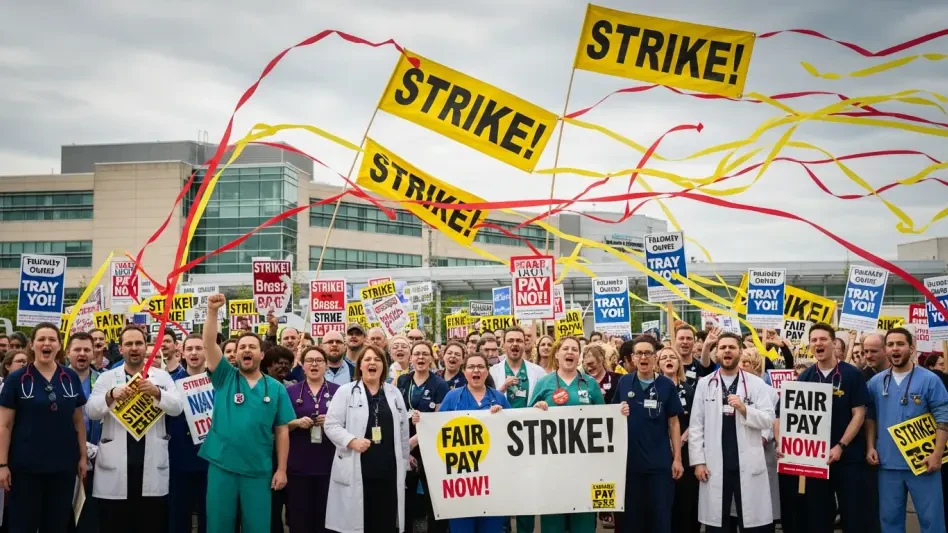

Introduction: A Stethoscope on the Picket Line
As picket signs replace stethoscopes at facilities across California and Hawaii, the impending strike of 31,000 Kaiser Permanente healthcare workers poses a question that echoes far beyond the negotiation table. This massive walkout, affecting millions of patients, forces a critical examination: Is this a straightforward labor dispute over wages, or does it signal a deeper crisis rooted in profound concerns for patient safety and the very future of care? The conflict’s outcome holds significant implications not only for Kaiser’s members but for the broader U.S. healthcare landscape, which is watching closely as one of its giants grapples with internal dissent.
Background: The Anatomy of a Dispute
At the heart of this confrontation are two powerful entities: Kaiser Permanente, an integrated managed care consortium and one of the nation’s largest healthcare providers, and the United Nurses Associations of California/Union of Health Care Professionals (UNAC/UHCP), representing a vast contingent of its frontline staff. This is not a sudden rupture but the culmination of long-simmering tensions. A similar five-day walkout in October demonstrated that the core issues are persistent and deeply entrenched, making this latest action a significant escalation. With approximately 20 hospitals and 200 clinics impacted, the scale of the strike underscores the profound divide between management and its employees.
The Union’s Diagnosis: A Fight for Patient Safety
The Core Symptom: Chronic Understaffing
For the striking workers, this is fundamentally a battle for patient safety. The union’s primary argument is that chronic understaffing and overwhelming workloads have stretched resources to a breaking point, directly compromising the quality of care. Nurses and healthcare professionals point to tangible consequences, citing significant delays for critical procedures, frequently rescheduled appointments, and outright canceled surgeries that leave patients in limbo.
This systemic strain is not an abstract complaint but a daily reality. The personal story of Cameron Cook, a nurse anesthetist, brings the issue into sharp focus. He recounted his own family’s struggle to secure a necessary follow-up appointment for his child after major surgery, a direct result of the staffing shortages he and his colleagues protest. His experience illustrates the union’s core message: the fight on the picket line is for the well-being of the very patients they have sworn to protect.
Beyond the Paycheck: Protecting Benefits and People
While wages are a component of the dispute, the union asserts that Kaiser’s focus on its pay offer is a calculated distraction. They contend that the proposal masks concurrent attempts to roll back essential, hard-won benefits related to retirement security, employee healthcare plans, and control over scheduling. These rollbacks, they argue, would erode the stability and appeal of a career at Kaiser.
Moreover, union leaders maintain that the proposed wage increases are insufficient to counter the sharply rising cost of living in states like California and Hawaii. In their view, failing to offer competitive compensation that keeps pace with inflation directly threatens workforce retention. This creates a vicious cycle where experienced professionals leave for better opportunities, exacerbating the very understaffing crisis that lies at the root of the conflict.
Kaiser Permanente’s Prescription: A Focus on Negotiations
The “Historic” Offer and Bargaining Impasse
From its perspective, Kaiser Permanente has been negotiating in good faith and has put a substantial offer on the table. The organization characterizes its wage proposal as “historic,” suggesting it represents a generous and fair commitment to its employees. Management has publicly accused the unions of employing “bad-faith tactics” that have unnecessarily stalled national-level negotiations, shifting the blame for the impasse onto labor leadership.
A Path Forward: Localizing the Solution
In response to the strike, Kaiser has announced operational plans to keep its facilities open, though it acknowledges that disruptions are likely. The company’s proposed solution for breaking the deadlock is to pivot away from the stalled national bargaining and move unresolved issues to local-level negotiations. Kaiser frames this as the most practical path toward reaching a mutually acceptable agreement, arguing that localized talks can better address the unique conditions of different regions and facilities.
The Underlying Condition: A Clash of Ideals
Beneath the surface of contract proposals and counterproposals lies a deeper, more philosophical divide. Many striking workers express a growing fear that Kaiser Permanente is drifting from its long-held, patient-centric mission. There is a palpable sentiment among employees that corporate priorities and profit margins are increasingly taking precedence over the well-being of both the patients who rely on the system and the staff who make it run. This conflict, therefore, represents a fundamental disagreement over the core values and future direction of the Kaiser healthcare model, a model many employees like Cook still believe in but fear is being corrupted.
Reflection and Broader Impacts
Reflection
The dispute exposes the core tension inherent in modern healthcare: balancing the immense financial and operational realities of a massive organization against the non-negotiable need for safe staffing levels and fair compensation for its workforce. Kaiser’s position emphasizes fiscal responsibility and a structured bargaining process, while the union’s stance prioritizes the immediate, human-level impact of understaffing on patient care. Each side’s public position carries both strategic strengths and significant challenges in winning the battle for public opinion.
Broader Impact
This strike does not exist in a vacuum. It reflects a nationwide trend of healthcare worker burnout, persistent staffing shortages, and a surge in labor activism that has reshaped the industry in the post-pandemic era. The long-term consequences could be profound, potentially eroding patient trust in the Kaiser system if care disruptions become prolonged. Furthermore, the resolution of this conflict will likely set a precedent for labor relations across the healthcare sector, influencing future negotiations and power dynamics between management and frontline providers nationwide.
Conclusion: The Prognosis for Patients and Providers
The picket lines at Kaiser Permanente had highlighted a stark divergence in narratives: the union’s impassioned fight for patient safety against what it saw as systemic neglect, versus management’s focus on what it deemed a fair and historic contractual offer. This conflict was always more than a dispute over compensation; it represented a critical inflection point that would inevitably shape the future of care at one of America’s largest health systems. Ultimately, a resolution was needed that acknowledged the inextricable link between the welfare of the healthcare professionals who sustain the system and the health of the millions of patients who depend on it.