
The very places designed for healing have become alarming flashpoints for violence, forcing a radical reimagining of safety in an industry already stretched to its breaking point by a historic labor shortage. As hospitals grapple with unprecedented staffing deficits and financial constraints, the traditional model of physical security—relying on sheer numbers of personnel to maintain order—is no longer viable. This convergence of pressures has created an urgent mandate: security can no longer be a reactive, siloed cost center. It must transform into a proactive, technology-driven, and strategically integrated function that is essential to the core missions of patient care, staff retention, and operational resilience.
The Breaking Point: When Fewer Staff Must Secure a More Dangerous Environment
Hospitals are facing a perfect storm where dwindling workforces must protect increasingly volatile environments. The ongoing healthcare staffing crisis means fewer clinicians are available to manage patient care, and security teams are similarly stretched thin across sprawling campuses. This scarcity coincides with a dramatic escalation in workplace violence, with healthcare workers now facing aggression at rates far exceeding those in other industries. The result is an unsustainable equation where fewer people are tasked with securing a larger, more complex, and more dangerous space.
This reality exposes the fundamental failure of traditional, reactive security models. An approach centered on on-site guards and passive camera systems designed for post-incident review is an inadequate defense against modern threats. Such a labor-intensive framework cannot keep pace with the speed at which incidents escalate, nor can it be sustained amid severe budget constraints and personnel shortages. Waiting for an emergency to occur before responding is a strategy that has proven costly in terms of both staff well-being and institutional liability.
The New Mandate as a Strategic Pillar of Healthcare
The imperative now is to reframe security from a peripheral service to a strategic pillar of healthcare delivery. The destabilizing force of the workforce crisis demands a paradigm shift, moving security from a reactive cost center to a proactive function that is deeply integrated with the organization’s primary objectives. This evolution requires security leaders to think beyond gates and guards and consider how their operations directly enable the hospital’s mission.
This strategic alignment redefines the value of security by connecting it to measurable outcomes. A tangible commitment to safety, for example, directly enhances the patient experience by lowering anxiety and building trust, which are critical components of quality care. Moreover, in an era of intense competition for clinical talent, a secure environment becomes a powerful tool for staff retention. When clinicians feel protected, they are more likely to remain with an organization, making security a vital component of workforce stability and operational resilience.
The Blueprint for a Modernized Security Framework
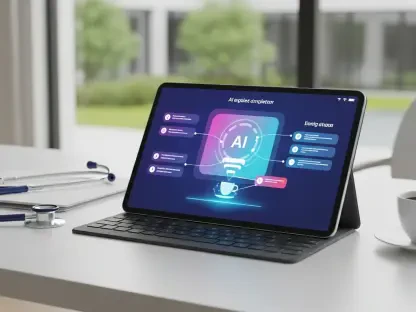
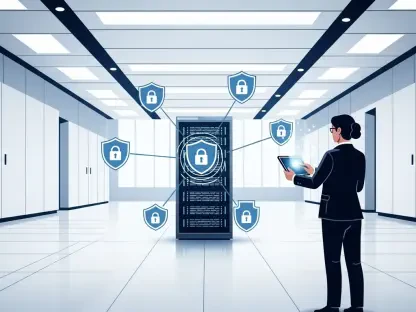
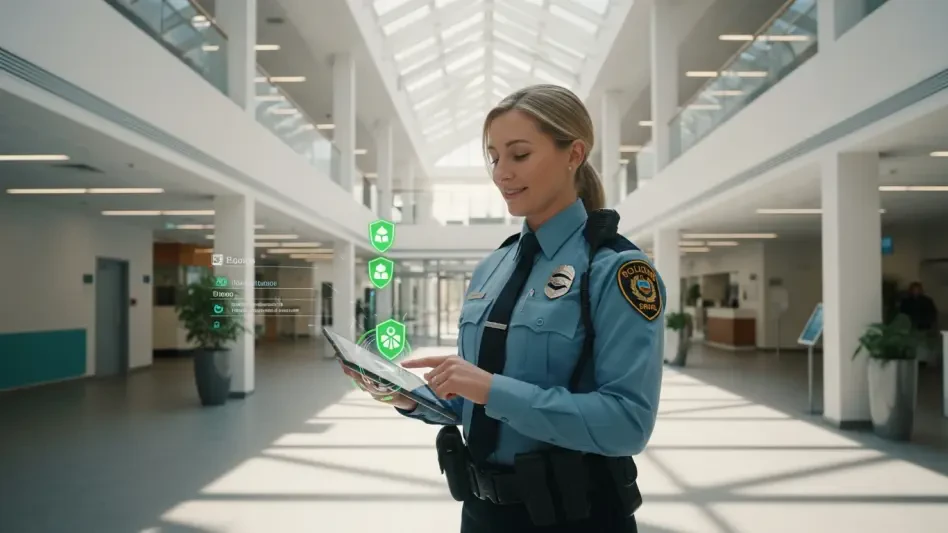
Building this new security posture requires a multi-faceted approach that leverages technology as a force multiplier. The foundational principle is a shift from a reactive to a proactive design, where advanced systems are used to detect threats before they escalate. AI-powered analytics can monitor for anomalous behavior, such as loitering in restricted areas, while audio-based alerting systems recognize acoustic signatures of aggression like shouting, providing crucial early warnings. Combined with remote monitoring and automated workflows, these tools empower smaller security teams to manage vast areas effectively, compensating for personnel gaps.
This modern framework also recognizes the convergence of safety and patient experience. A secure environment is not at odds with a welcoming one; in fact, the two are intrinsically linked. Implementing smarter access control with mobile credentials and role-based permissions reduces administrative friction for staff while maintaining a secure perimeter. Modern visitor management systems can streamline entry processes, reducing lobby congestion and enhancing the visitor experience. By thoughtfully balancing security measures with a welcoming atmosphere, hospitals can foster a sense of calm and order that benefits patients, visitors, and staff alike.
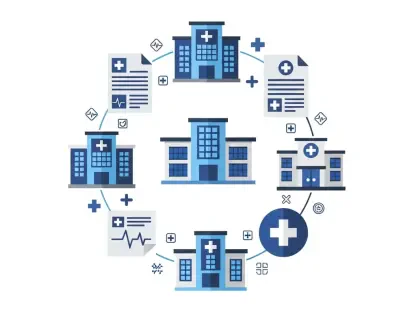
Furthermore, the technological backbone for this evolution is the hybrid cloud architecture. Moving away from fragmented and high-maintenance on-premise legacy systems to a unified cloud model offers immense benefits. This approach reduces the burden of manual updates, enables remote system management, and standardizes security protocols across all facilities. For health systems operating with limited capital, a hybrid cloud model allows for scalable security enhancements without massive upfront investment, ensuring long-term operational viability.
From Data Collection to Strategic Intelligence
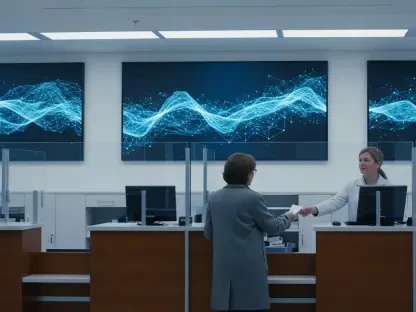
In this new paradigm, security systems transform from simple documentation tools into powerful sources of operational insight. The vast amounts of data generated by access logs, incident patterns, and occupancy trends are no longer just for forensic review; they are a rich resource for understanding how a facility is truly used. Analyzing this information allows administrators to identify operational bottlenecks, map patient and staff movement flows, and optimize workflows for greater efficiency.
The next frontier lies in harnessing AI-generated metadata to unlock predictive capabilities. By analyzing nuanced patterns, these systems can identify escalating safety risks, such as repeated unauthorized access attempts at a specific door or unusual congregation patterns in waiting areas. For hospitals battling staff shortages, this strategic intelligence is invaluable. It enables leadership to redeploy limited staff to high-risk zones, make evidence-based decisions about physical space design, and proactively address vulnerabilities before they can be exploited.
Actionable Strategies for Protecting the Frontline
Accepting workplace violence as a persistent operational reality is the first step toward building an effective defense. This requires a layered, proactive strategy that acknowledges security personnel cannot be everywhere at once. A critical component is the implementation of rapid-escalation protocols that unite security, clinical, and administrative teams into a coordinated response unit. When an incident is detected, whether through technology or staff reporting, a clear and immediate chain of action ensures a swift and unified intervention.
Technology must be deployed to empower a smaller on-site team to manage threats across an entire campus effectively. This includes tools that help detect the earliest signs of agitation, enhance surveillance in high-risk zones like emergency departments, and provide clinicians with discreet ways to call for help. Finally, redesigning physical spaces to improve lines of sight, reduce environmental stressors, and eliminate potential hiding spots can de-escalate many situations before they begin. These integrated strategies create an environment where clinicians feel protected and empowered to deliver care safely.
The healthcare workforce crisis served as an inflection point, compelling a fundamental reevaluation of physical security’s role. It became clear that security was not a secondary function but a strategic enabler foundational to addressing the industry’s most pressing challenges. The organizations that thrived were those that abandoned outdated, reactive models for proactive, technology-driven strategies built on data intelligence and hybrid cloud architectures. They recognized that protecting their workforce was synonymous with protecting their ability to deliver care, and this strategic alignment became the key to ensuring patient trust, staff retention, and institutional resilience in a challenging new era.