
The relentless ticking of a clock in a crowded emergency room waiting area often measures more than just time; it measures systemic inefficiency and growing patient anxiety, symptoms of a healthcare apparatus straining under its own weight. For decades, the industry has grappled with operational paradoxes: cutting-edge medical technology exists alongside archaic, paper-based administrative processes. This report examines a compelling solution gaining traction across the globe—the application of lean principles through a centralized management system. It investigates whether this philosophy, born from manufacturing, can truly untangle the complexities of modern medicine and deliver a more efficient, responsive, and humane standard of care.
The Modern Healthcare Maze Navigating a System Under Strain
The operational landscape of modern healthcare often resembles a labyrinth of disconnected pathways rather than a cohesive system. From specialized outpatient clinics to sprawling multi-departmental hospitals, processes are frequently fragmented, leading to communication breakdowns, redundant tasks, and significant delays in patient care. This bureaucratic inertia creates an environment where valuable resources, including the time of highly skilled clinicians, are consumed by non-value-adding activities. The result is a system that, despite its noble mission, often works against itself, creating friction at every turn.
Within this complex ecosystem, primary stakeholders navigate distinct but overlapping challenges. Patients are forced to contend with long wait times, confusing administrative hurdles, and care journeys that lack coordination between different specialists and departments. Clinicians, including doctors and nurses, face immense pressure, battling not only disease but also inefficient workflows that contribute to professional burnout. Meanwhile, administrators are tasked with the monumental challenge of balancing budgets, meeting regulatory requirements, and improving performance metrics within a framework that resists streamlined change.
The Dawn of Operational Excellence in Medicine
The Patient Centric Pivot New Demands and Emerging Solutions
A fundamental shift is underway in healthcare, moving away from a traditional volume-based model, where success is measured by the number of procedures performed, toward a value-based, patient-centric approach. This new paradigm redefines success based on patient outcomes and the quality of the care experience. This pivot is driven by heightened patient expectations and a growing recognition that true value lies in delivering effective, timely, and compassionate care. In response, healthcare organizations are exploring innovative solutions that prioritize the patient journey from start to finish.
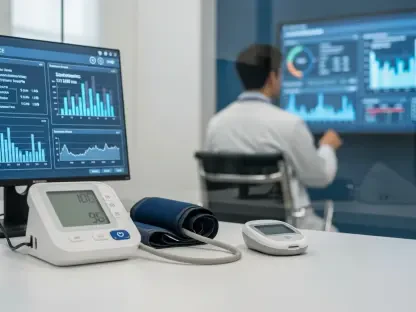
This evolution has given rise to several critical trends. Data-driven management is becoming indispensable, as institutions seek to use real-time analytics to monitor performance, identify bottlenecks, and make informed decisions. Simultaneously, there is an urgent focus on staff engagement as a strategy to combat widespread burnout. By involving frontline employees in process improvement, organizations not only tap into invaluable expertise but also foster a sense of ownership and morale. These trends converge on a central demand for greater operational efficiency, which is seen not as a cost-cutting measure but as a prerequisite for delivering high-quality, sustainable care.
Measuring the Transformation Evidence of Leans Impact and Future Potential
The theoretical benefits of lean thinking are being validated by concrete data from early adopters. Pilot programs implementing centralized, lean-based management systems have demonstrated remarkable improvements across key performance indicators. Facilities report significant reductions in patient wait times, particularly in critical areas like emergency departments and diagnostic imaging. Furthermore, patient throughput has increased, allowing hospitals to serve more patients effectively without compromising the quality of care. These operational gains are directly reflected in higher patient satisfaction scores, indicating a tangible enhancement in the overall care experience.
Looking ahead, the potential for these systems to be scaled across the industry is substantial. The framework is not a rigid, one-size-fits-all solution but an adaptable philosophy that can be tailored to the unique needs of different healthcare settings. Its proven success in diverse environments suggests a viable pathway for widespread adoption. As more institutions recognize the evidence-based benefits of this approach, lean systems are poised to move from a niche strategy to a foundational component of modern healthcare management, setting new benchmarks for efficiency and patient-centered service delivery.
Overcoming Inertia The Cultural and Operational Hurdles to Lean Implementation
Despite its proven benefits, the path to implementing lean principles in healthcare is fraught with challenges. The most significant hurdle is often cultural resistance to change. Healthcare is a field steeped in tradition, and long-established routines can be difficult to alter. Top-down mandates that command change without frontline consultation are frequently met with skepticism and passive resistance, rendering them ineffective. The inherent complexity of medical workflows, where countless variables can impact patient outcomes, further complicates the application of standardized processes, making a thoughtful and customized approach essential.
Successfully navigating these obstacles requires fostering a culture of continuous improvement from the ground up. This begins with a participatory approach, actively involving clinicians, technicians, and administrative staff in identifying problems and designing solutions. Empowering employees to make improvements in their own work areas builds ownership and ensures that changes are practical and sustainable. This cultural shift must be supported by sustained training initiatives that equip every team member with the tools and mindset of lean thinking, transforming operational excellence from a management objective into a shared organizational value.
Meeting New Mandates How Lean Aligns with Policy Accountability and Patient Safety
The healthcare industry operates within a stringent regulatory environment, with ever-increasing pressure from government agencies, insurers, and patients for greater transparency and accountability. Stakeholders demand not only positive clinical outcomes but also demonstrable proof of operational efficiency and a steadfast commitment to patient safety. Meeting these mandates requires a systematic approach to management that goes beyond traditional quality assurance measures and embeds performance oversight into the fabric of daily operations.
Lean methodologies, particularly when implemented through a centralized management system, are uniquely suited to help institutions meet and exceed these standards. By meticulously mapping patient journeys and workflows, lean systems expose potential safety risks and inefficiencies that might otherwise go unnoticed. The data-driven nature of these systems provides a clear, auditable trail of performance metrics, facilitating compliance and transparent reporting. This proactive focus on process refinement directly enhances patient safety and allows organizations to build a resilient operational framework that consistently delivers on its promise of high-quality, accountable care.
The Next Frontier Charting the Future of Lean Powered Healthcare
The future trajectory of healthcare operations is being shaped by the powerful integration of lean philosophy with next-generation digital tools. As we look forward, the synergy between lean’s focus on waste elimination and the capabilities of predictive analytics and artificial intelligence promises to unlock new levels of efficiency and foresight. Digital management platforms can now move beyond simply tracking past performance to actively forecasting future demand, identifying potential bottlenecks before they occur, and optimizing resource allocation in real time.
This adaptable framework offers a compelling model for systemic reform, capable of disrupting entrenched practices and elevating standards across the industry. By combining a human-centric, continuous improvement culture with intelligent technology, healthcare organizations can create learning systems that evolve and adapt to new challenges. This forward-looking approach positions lean-powered healthcare not just as a method for incremental improvement but as a catalyst for a fundamental transformation in how care is designed, managed, and delivered.
A Verdict on Value The Blueprint for a More Efficient and Humane Healthcare System
The core finding of this analysis was clear: a centralized management system built on lean principles provided an evidence-based blueprint for a more responsive, efficient, and patient-focused future for healthcare. The data from implemented programs demonstrated that a systematic focus on eliminating waste and empowering frontline staff yielded significant and measurable improvements in operational performance and patient satisfaction. This model proved to be more than a theoretical construct; it was a practical and scalable solution to some of the industry’s most persistent challenges.
Final recommendations centered on the synergistic integration of three core pillars for achieving sustainable transformation. The first was the deep adoption of lean principles as an organizational philosophy, not merely a set of tools. The second was the embrace of enabling technology to provide the data and foresight necessary for proactive management. The third, and arguably most crucial, pillar was a profound and sustained commitment to staff engagement, recognizing that the people delivering care are the ultimate drivers of meaningful improvement. Together, these elements formed a cohesive strategy for building a healthcare system that is not only more efficient but also profoundly more humane.