
Listen to the Article
America’s healthcare labor model is cracking. Record numbers of clinicians are weighing an exit, and not because the work is hard, but because the system makes it harder than it needs to be. A recent industry report by Indeed indicates that roughly two in five healthcare workers view their roles as unsustainable, driven by workload, inbox overload, and documentation creep. It also testifies to a substantial financial hit, in which replacing a single clinician often costs more than nine months of salary when recruiting, onboarding, and productivity gaps are accounted for. AI is not a moonshot in this context. It is a labor strategy. The organizations that treat AI as core operating infrastructure, not as a shiny pilot, are the ones stabilizing teams, restoring time for care, and protecting margins.
The Operational Reality of Systemic Burnout
Burnout did not appear overnight. It grew from chronic understaffing, rising patient acuity, and the digital paper chase that now defines the clinical day. The 2026 findings by the American Hospital Association show that physicians and nurses spend a significant share of each shift in the electronic health record, in the inbox, or resolving documentation edits, rather than engaging with patients. With administrative and communication tasks consuming large chunks of employee time across different settings, the resulting spiral is predictable. Short staffing increases work intensity. Higher intensity drives fatigue. Fatigue feeds attrition. Attrition deepens short staffing. Breaking this loop requires more than mindfulness apps and pizza in the break room. It requires removing daily friction at the task level, where most frustration actually lives.
The Strategic Role of Artificial Intelligence in Clinical Operations
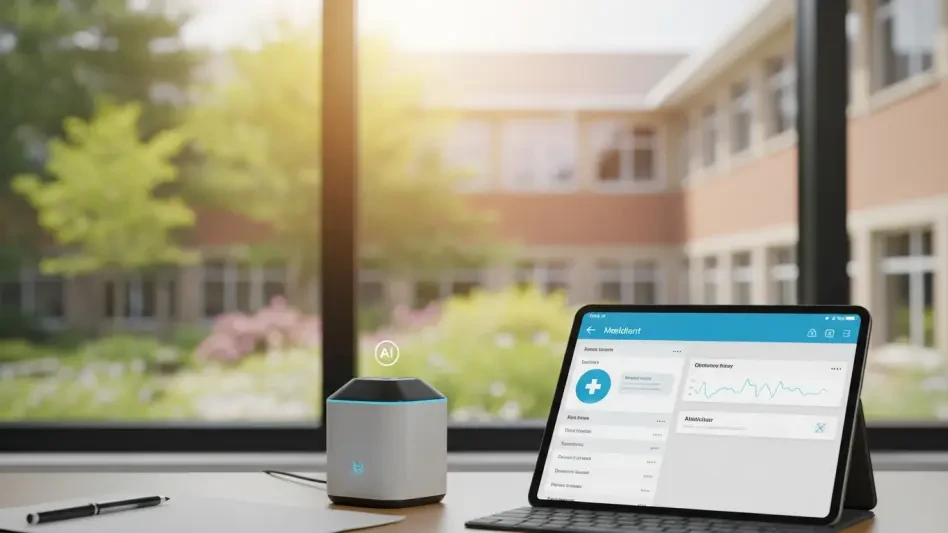
By 2026, many large health systems are deploying AI in clinical operations, often starting with documentation support and ambient scribing. The value is practical. Natural language processing tools listen to the visit, create a structured note, and draft orders and patient instructions while the clinician maintains eye contact. Studies indicate that in successful programs, documentation time can drop by more than half, returning close to an hour to clinicians on a busy day. That hour changes everything. It reduces end-of-day note bloat, enables follow-ups, and eliminates late-night EHR work that erodes job satisfaction. As such, it’s no wonder that the aforementioned Indeed report highlights how employees rank reduced workload and streamlined administration as the top expected benefits of AI. Quality can improve as well when notes are consistent, complete, and coded correctly, reducing downstream denials and rework. The point is not novelty. It is restoring attention to the human encounter and shifting low-value tasks into the background.
Enhancing System Resilience Through Smart Triage and Communication
Inbox fatigue is not a soft problem. It is a throughput problem that bleeds into safety, access, and revenue. AI-enabled triage and routing tools now screen inbound messages, separating clinical from administrative requests and resolving routine queries automatically with policy-aligned responses. An article by Inflo Health outlines how many organizations see a significant share of messages resolved without clinician involvement, while urgent issues reach the appropriate level of care faster. The impact compounds. Clinicians stay focused on clinical work. Patients receive timely answers. Fewer messages spill into nights and weekends. Financial performance improves as well, with more accurate routing supporting coding quality and reducing delays that lead to write-offs.
Addressing the Challenges of Technological Integration and Trust
Clinicians will not embrace tools that second-guess their judgment or insert more work into the process. Trust comes from how the AI tools behave. The most successful programs position AI as a service with defined service-level agreements, not as a shadow clinician. In other words, the AI drafts, the clinician signs. The AI triages, and the clinician makes the call. Clear accountability matters. So do transparent models, audit logs, and the option to edit or decline suggestions without friction. Training is clinical, not generic, with examples from real workflows and tight privacy controls. The goal is to enhance professional judgment, not sideline it. When frontline staff help select and tune the tools, adoption climbs, and error rates fall because the system reflects how care is actually delivered, not how a vendor slide depicts it.
Transforming Staffing Models with Predictive Analytics
Workforce stability improves when scheduling moves from guesswork to forecasting. Predictive analytics can anticipate census swings, case mix changes, and seasonal patterns across service lines. These signals can then be translated into staffing plans that maintain safe ratios without relying on chronic overtime. Leaders use this data to right-size float pools, rebalance high-variance shifts, and publish schedules earlier so staff can plan their lives.
Restoring Professional Purpose Through Technological Alignment
Purpose does not return because a new tool appears. It returns when toil recedes and skilled work expands. AI is effective when it becomes invisible, removing the cognitive grit that slows everything down. The right barometers are operational, not rhetorical. Note-completion time should fall. After-hours EHR use should decline. Message backlogs should shrink and stay stable. Turnover and vacancy rates should trend down, while patient access, throughput, and clinician net promoter scores trend up. When these signals move together, the workforce experiences less friction and more meaning in the work.
Leaders should anchor ROI in this integrated picture. Time back to clinicians reduces locum spend and overtime. Fewer documentation edits reduce denials and shorten revenue cycles. Better inbox management improves response-time metrics that influence quality scores and contracts. Most importantly, when the daily experience of care teams improves, so does safety and continuity for patients. That is the compounding return the industry has been chasing for a decade.
Restoring the Human Connection Through Technological Support
Healthcare’s recent course correction did not come from wellness slogans. It came from structural fixes supported by AI that cleared administrative brush, stabilized schedules, and returned discretion to clinicians. Organizations that made inbox automation, ambient documentation, and forecasting part of the operating model saw retention improve and access expand because people could finally do the work they were trained to do.
The next step is discipline. Treat every AI workflow like a clinical service. Define ownership, targets, and fail-safes. Track the metrics that matter to staff and patients, not vanity dashboards. Publish change logs. Build feedback loops with frontline teams so models keep pace with reality. Above all, design for dignity. Tools should reduce interruptions, limit duplicate entry, and make it easier to look a patient in the eye. Small fixes at scale change culture faster than grand strategies that never leave the slide deck.
The industry will continue to wrestle with trade-offs. Automation can drift into overreach. Underuse squanders real relief. Vendor claims will race ahead of outcomes. That is normal for any new layer of infrastructure. What matters is staying anchored to a simple standard. If a tool protects clinicians’ time, strengthens clinical judgment, and helps patients feel seen, it is worth keeping and scaling. If it does not, it should be reworked or removed. That is how American medicine can become both more humane and more sustainable, one workflow at a time.