
Modern healthcare systems are currently generating billions of gigabytes of patient data every single day, creating a profound necessity for clinicians who can translate complex digital information into actionable medical insights. At George Mason University, this reality has catalyzed a fundamental restructuring of traditional health degrees to ensure that every graduate possesses a deep competency in informatics. The curriculum no longer treats technology as a peripheral tool but rather as the very foundation upon which modern diagnostic and therapeutic decisions are built. By weaving data science directly into the fabric of clinical education, the university is addressing a critical gap in the workforce where technical expertise meets patient-side care. This evolution reflects a broader industry shift toward precision medicine, where outcomes are improved through the meticulous analysis of electronic health records and real-time monitoring systems. Students now navigate a landscape where understanding an algorithm is as vital as human anatomy for effective practice.
Integration of Digital Literacy into Clinical Practice
Bridging the Gap: Nursing and Technical Proficiency
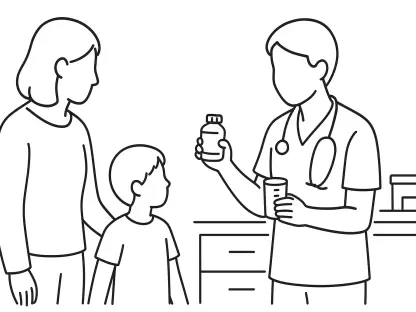
The nursing profession has undergone a radical transformation where the integration of informatics is no longer optional but a core requirement for ensuring patient safety and operational efficiency. George Mason’s nursing programs have pioneered a model that blends bedside manner with advanced technical proficiency, training students to utilize predictive analytics for identifying early signs of sepsis or patient deterioration. These future nurses are taught to navigate complex hospital information systems while simultaneously managing the nuances of high-stakes clinical environments. This dual focus ensures that technology serves the patient rather than becoming a barrier to care, allowing for more streamlined workflows and reduced administrative burdens. By mastering the flow of information across disparate digital platforms, graduates are equipped to lead multidisciplinary teams in an increasingly fragmented healthcare landscape. The emphasis remains on using data to enhance the human element of nursing, ensuring that every technological intervention is grounded in the reality of clinical needs.
Systems Thinking: Redefining Health Administration
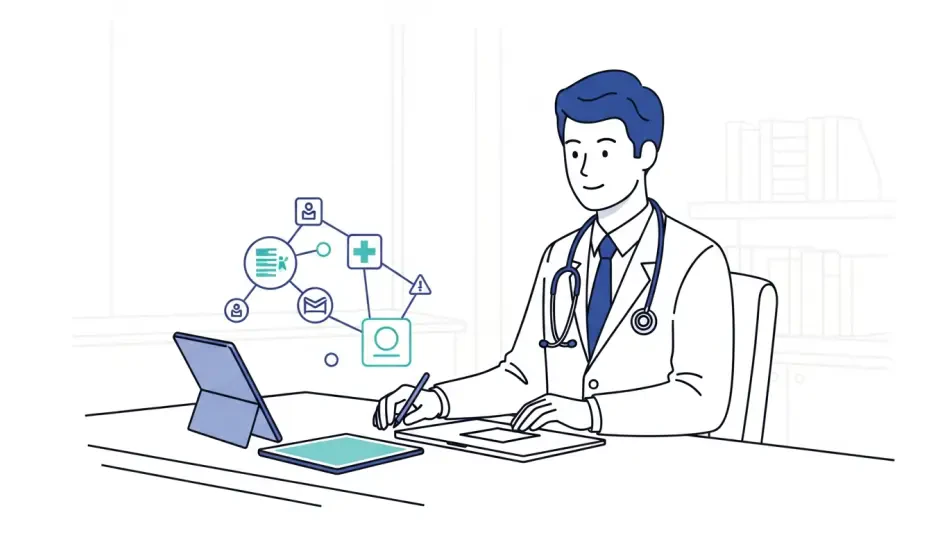
In the realm of health administration, the shift toward informatics has redefined how leadership positions are approached within major medical centers and private practices alike. Administrators are now expected to be architects of data systems that can track population health trends and optimize the distribution of scarce medical resources across wide geographic areas. George Mason has responded by incorporating health information exchange protocols and cybersecurity standards into the core requirements for its administration degrees. This ensures that the next generation of healthcare executives can safeguard sensitive patient data while leveraging it to improve organizational performance and reduce systemic costs. The curriculum emphasizes the strategic importance of interoperability, teaching students how to bridge the communication gap between technical IT departments and front-line medical staff. As healthcare costs continue to fluctuate, the ability to analyze financial data alongside clinical outcomes provides a competitive advantage for those tasked with managing the business of health.
Bioinformatics: Unlocking Precision at the Molecular Level
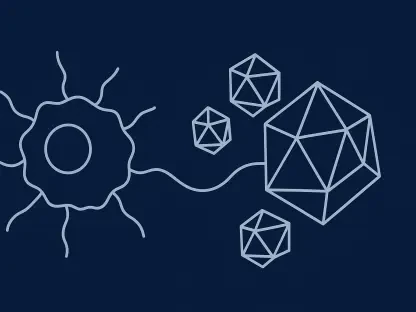
The expansion of bioinformatics within George Mason’s health degrees has opened new doors for research into genomic medicine and personalized treatment plans for chronic diseases. Students engaged in this specialized track learn to process massive biological datasets to identify genetic markers that predict a patient’s response to specific medications or therapies. This work requires a sophisticated understanding of both biological processes and computational modeling, making it one of the most intellectually demanding areas of the current health curriculum. By providing access to high-performance computing clusters and advanced laboratory facilities, the university prepares students to work at the forefront of pharmaceutical development and genetic counseling. This focus on molecular-level data allows for a more proactive approach to health, shifting the paradigm from reactive treatment to preventative strategies tailored to an individual’s unique genetic makeup. This comprehensive training ensures that informatics is seen as a tool for equity, enabling more accurate diagnoses for diverse populations.
The strategic decision to embed informatics into every health degree at George Mason University established a new standard for how medical professionals are prepared for the modern workforce. This transition necessitated a complete overhaul of traditional teaching methods, prioritizing hands-on experience with emerging technologies over purely theoretical classroom instruction. To maintain this momentum, educational institutions developed stronger partnerships with the technology sector to ensure curricula remained aligned with the latest software and hardware innovations. Health practitioners sought out continuing education opportunities in data literacy to stay relevant as artificial intelligence and machine learning became more integrated into daily clinical operations. It was clear that the successful integration of these tools required a commitment to lifelong learning and an openness to interdisciplinary collaboration. Moving forward, the focus shifted toward refining the ethical frameworks that govern data usage to protect patient autonomy in an increasingly digitized world.