
The once-siloed relationship between patient and physician is being fundamentally dismantled by a constant stream of biometric data, heralding a new era of proactive and personalized medical intervention. This transformation, often termed the connected healthcare revolution, is not a distant concept but a present reality reshaping care delivery from the hospital to the home. It represents a paradigm shift away from episodic treatment toward a continuous, data-informed model of wellness management. At its core, this evolution is powered by a sophisticated fusion of medical-grade hardware, intelligent software, and the pervasive connectivity of the Internet of Things (IoT).
This industry report analyzes the key components, market dynamics, and future trajectory of this burgeoning sector. By examining the drivers pushing the market forward, the obstacles inhibiting its progress, and the technologies poised to define its next chapter, this analysis provides a comprehensive overview of the forces shaping modern medicine. It explores how smart medical devices have transitioned from novelties to indispensable tools for providers, manufacturers, and patients, setting a new standard for healthcare in a digital-first world.
Redefining Patient Care: The Anatomy of the Connected Health Ecosystem
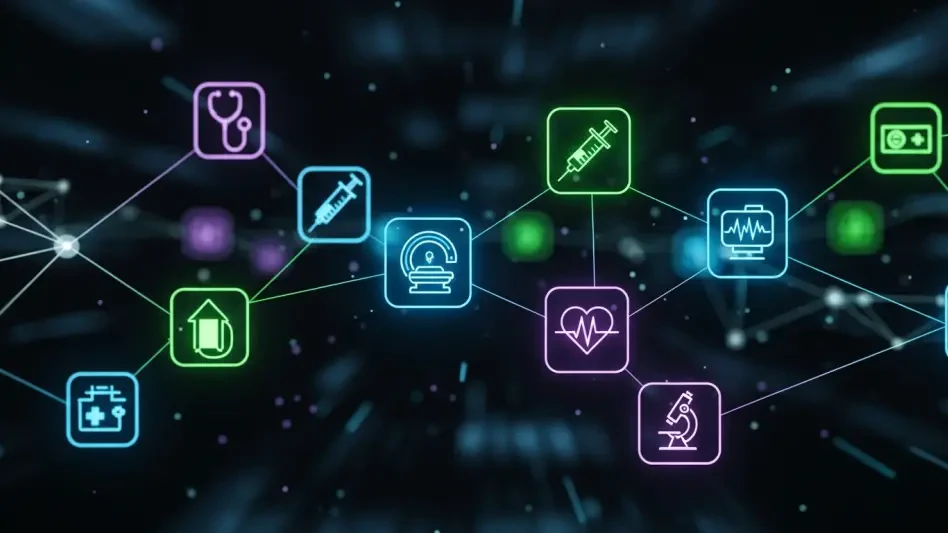
The connected health ecosystem is a complex network of devices, platforms, and stakeholders working in concert to generate and utilize patient data. It is built upon medical devices that are no longer standalone instruments but are now nodes in a vast information network. These devices range from consumer-facing wearables that track daily activity and vital signs to clinical-grade home monitoring tools for managing chronic conditions, and even extend to sophisticated implantables and diagnostic equipment within hospital settings. The common thread binding them is their ability to collect, transmit, and process health information in real time.
The true value of this ecosystem lies not in the individual devices themselves, but in their interoperability and the continuous flow of data they enable. Information captured by a sensor is transmitted wirelessly to a mobile application or a secure cloud platform. From there, it can be integrated with Electronic Health Record (EHR) systems, analyzed by advanced algorithms, and presented to clinicians through intuitive dashboards. This seamless integration transforms raw data into actionable insights, empowering healthcare providers to make faster, more informed decisions, often before a critical health event occurs. Consequently, care becomes more preventive, personalized, and accessible, extending far beyond the traditional confines of a clinic.
The Unstoppable Momentum: Market Forces and Growth Projections
The expansion of connected healthcare is not a speculative trend but a market reality propelled by powerful, converging forces. A combination of demographic shifts, technological advancements, and evolving patient expectations has created an environment ripe for innovation. This momentum is evident in the substantial investments being made by healthcare systems, the rapid product development cycles in the MedTech industry, and the increasing consumer appetite for digital health solutions. The industry is moving from a phase of early adoption to one of mainstream integration, where connected technologies are becoming a foundational element of modern care delivery.
The Core Drivers: From Wearable Tech to Telemedicine Adoption
Several key drivers are fueling the connected healthcare revolution. One of the most significant is the dual demographic challenge of aging populations and the rising prevalence of chronic diseases. These conditions necessitate continuous monitoring and management, a need perfectly met by remote patient monitoring devices and telehealth platforms. As health systems grapple with increasing costs and capacity constraints, these technologies offer a scalable and efficient way to manage patient populations outside of traditional clinical settings. This shift is strongly supported by the parallel expansion of telemedicine, which has become a standard component of care delivery, normalizing the concept of remote consultations and digital health interactions.
Simultaneously, technological maturation in areas like IoT and cloud computing has provided the essential infrastructure for this transformation. The miniaturization of sensors, the ubiquity of wireless connectivity like Bluetooth and Wi–Fi, and the immense processing power of cloud platforms have made it possible to build reliable and secure connected medical devices. Furthermore, the growing demand from both patients and providers for real-time insights is a powerful market pull. Patients are increasingly taking an active role in managing their health and expect the same level of digital convenience they experience in other sectors. Providers, in turn, are seeking tools that automate data collection and analysis, freeing them to focus on high-value clinical work rather than manual tasks.
Sizing the Opportunity: Market Growth and Future Forecasts
The global market for smart and connected medical devices is experiencing a period of explosive growth, with forecasts indicating a sustained upward trajectory for the foreseeable future. This expansion is not confined to a single region or technology but is a worldwide phenomenon, reflecting a fundamental reorientation of healthcare investment toward digital-first solutions. The market encompasses a wide array of products and services, from wearable biosensors and connected glucose monitors to AI-powered diagnostic imaging systems and integrated hospital data platforms. This breadth signals a deep and systemic integration of connected technology across the entire healthcare value chain.
Looking ahead, market projections from 2026 onward suggest that the pace of growth will continue to accelerate. This will be driven by ongoing innovation, increasing reimbursement for remote care services, and a more favorable regulatory landscape that encourages digital health development. As the technology becomes more sophisticated and cost-effective, its adoption is expected to broaden from specialized clinical applications to more widespread use in preventive care and general wellness. The opportunity extends beyond device manufacturing to include software development, data analytics, cloud infrastructure, and cybersecurity services, creating a rich and diverse economic ecosystem.
Navigating the Hurdles: Overcoming Barriers to Widespread Adoption
Despite the significant momentum, the path to universal adoption of connected healthcare is not without its obstacles. A primary challenge is the inherent complexity of developing these solutions. Unlike standard software development, creating a smart medical device requires a sophisticated integration of hardware, embedded systems, and cloud software, all while adhering to stringent regulatory standards. This multidisciplinary requirement creates a high barrier to entry and can lead to long and costly development cycles, particularly for startups and smaller MedTech companies that may lack deep expertise across all necessary domains.
Another significant hurdle is achieving seamless interoperability between disparate devices, platforms, and existing healthcare IT systems. A connected device is only as valuable as its ability to share data with a patient’s electronic health record and the clinical workflows of a provider. However, the healthcare industry has long been plagued by fragmented data systems and a lack of universal communication standards. Integrating a new device into a hospital’s complex IT environment can be a formidable task, requiring specialized knowledge of standards like HL7 and FHIR. Without effective integration, data remains trapped in silos, diminishing the potential for a holistic view of patient health and limiting the overall impact of the technology.
Furthermore, user-centric challenges related to adoption and digital literacy must be addressed. For patients, particularly older adults or those with limited technical experience, the use of connected devices and mobile apps can be intimidating. Ensuring that these tools are intuitive, reliable, and provide clear value is essential for long-term engagement. On the provider side, clinicians must be trained on how to effectively incorporate the vast streams of new data into their decision-making processes without becoming overwhelmed. Addressing these human factors is just as critical as solving the technical challenges to ensure that connected health solutions are not only available but also widely and effectively utilized.
Building Trust: The Critical Role of Regulation and Data Security
In an ecosystem built on the constant flow of sensitive personal health information, trust is the ultimate currency. Establishing and maintaining this trust is contingent on a robust framework of regulation and cybersecurity. The development of connected medical devices is not merely a technical endeavor; it is a practice governed by strict compliance mandates designed to ensure patient safety and data privacy. Regulatory bodies like the U.S. Food and Drug Administration (FDA) and equivalent authorities in other regions impose rigorous requirements for device validation, risk management, and quality assurance. Navigating these complex landscapes is non-negotiable and requires deep domain expertise from the outset of any project.
Cybersecurity, in particular, has become a paramount concern. The interconnected nature of these devices makes them potential targets for unauthorized access and malicious attacks, with consequences that could range from data breaches to compromised device functionality. A proactive and defense-in-depth security strategy is therefore essential. This includes implementing end-to-end data encryption, secure device authentication protocols, and continuous monitoring for threats. Compliance with data protection regulations such as the Health Insurance Portability and Accountability Act (HIPAA) in the United States and the General Data Protection Regulation (GDPR) in Europe is a baseline requirement, not a final goal.
A strong security and regulatory foundation does more than just mitigate risk; it is a critical enabler of adoption. Healthcare providers will not endorse technologies they deem unsafe, and patients will not use devices they do not trust with their most personal data. For MedTech companies, investing in a secure and compliant development lifecycle is a strategic imperative that reduces the likelihood of costly product recalls or penalties and, more importantly, builds the credibility needed to succeed in the healthcare market. This commitment to safety and privacy must be woven into the fabric of product design, from initial concept to post-market support.
The Next Wave: Peering into the Future of Connected Medicine
The evolution of connected healthcare is poised to accelerate further, driven by the next wave of technological advancements that promise to make medicine even more predictive, personalized, and participatory. Artificial intelligence and machine learning are at the forefront of this movement, transforming connected devices from simple data collectors into powerful decision-support tools. AI algorithms are increasingly being used to identify subtle patterns in biometric data that are invisible to the human eye, enabling predictive diagnostics for conditions like cardiac arrhythmias or diabetic complications. This shifts the focus from reacting to health problems to anticipating and preventing them.
Another transformative trend is the rise of digital twins, which are virtual models of a patient’s physiology created from the continuous data streams of connected devices. These dynamic models will allow clinicians to simulate the effects of different treatments and lifestyle changes on an individual, paving the way for hyper-personalized medicine. Instead of relying on population-level evidence, therapies can be tailored to a patient’s unique biological makeup and real-time health status. This will be complemented by a growing ecosystem of home-based and wearable medical-grade devices, which will further decentralize care and empower patients to manage their health more autonomously.
Ultimately, the future of connected medicine hinges on achieving greater interoperability across the entire healthcare system. As data flows more seamlessly between devices, hospitals, and wellness apps, a truly holistic and longitudinal view of a person’s health will become possible. This will break down existing data silos and foster a more collaborative and integrated approach to care. The convergence of IoT, AI, and cloud computing, guided by a strong commitment to regulatory compliance, will not just enhance existing healthcare models but will fundamentally redefine them, leading to a future characterized by proactive and preventive care for all.
Charting the Path Forward: A Synthesis of Findings and Recommendations
The analysis confirmed that the connected healthcare revolution was driven by a powerful confluence of demographic need, technological capability, and shifting consumer expectations. The transition from standalone medical instruments to an integrated ecosystem of intelligent, connected devices has fundamentally altered the landscape of patient care, creating unprecedented opportunities for proactive and personalized medicine. The market’s rapid expansion reflected not a fleeting trend but a systemic shift toward a digital-first, value-based healthcare model. It was clear that the technologies underpinning this movement, particularly IoT, cloud computing, and artificial intelligence, have reached a level of maturity that makes widespread adoption both feasible and highly beneficial.
However, the investigation also highlighted the significant challenges that stood in the way of realizing this vision’s full potential. The complexities of device development, the persistent problem of data interoperability, and the critical need for unwavering cybersecurity and regulatory compliance were identified as primary hurdles. These were not merely technical issues but strategic imperatives that required a holistic approach, blending deep expertise in hardware, software, clinical workflows, and the global regulatory environment. The success of any connected health initiative depended on its ability to build and maintain trust among patients, providers, and regulators alike.
Moving forward, the path to success in this dynamic sector required a focus on strategic partnerships and a commitment to continuous innovation. The findings underscored the immense value of collaborating with specialized development partners who possess the requisite multidisciplinary expertise to navigate the industry’s unique complexities. Organizations that successfully integrated robust security protocols, prioritized user-centric design, and built scalable, interoperable platforms were best positioned to lead. The future of healthcare was undeniably connected, and the entities that shaped it were those that masterfully combined technological advancement with a profound understanding of the human elements of care.