
The historical separation between dentistry and general medicine has long created a fragmented healthcare experience, often overlooking the biological reality that oral health is inextricably linked to systemic wellness. In a landscape where nearly 29 million Americans visit a dentist annually without seeing another medical provider, the dental office is emerging as a critical, underutilized frontline for primary care. This shift represents a fundamental departure from the traditional view of the dentist as a mere technician of teeth. Instead, practitioners are increasingly recognized as vital gatekeepers who occupy a unique position to monitor, diagnose, and manage conditions that affect the entire human body.
The Shift Toward Clinical Integration and Data-Driven Prevention
Statistical Evidence: The Oral-Systemic Connection
Recent clinical data highlights a profound correlation between periodontal health and chronic systemic conditions, fueling the push for integrated care. Research indicates that individuals with severe gum disease are 2.55 times more likely to suffer a stroke, while untreated tooth infections increase the likelihood of cardiovascular complications by 2.7 times. These figures are not merely coincidental; they reflect the inflammatory pathways that connect the gums to the heart and brain. When bacteria from the mouth enter the bloodstream, they trigger systemic responses that can exacerbate or even initiate life-threatening events.
The “preventive dividend” of routine dental cleanings is equally substantial, with regular maintenance associated with a 14% reduction in overall cardiovascular risk. Beyond the heart, the stakes remain high for other forms of systemic illness. Findings that gum disease patients face a 45% higher risk of colorectal cancer underscore the necessity of treating the mouth as a window into the body’s overall health. This statistical reality is forcing a reconsideration of how we prioritize oral hygiene within the broader context of longevity and oncology.
Real-World Applications: The Integrated Care Model
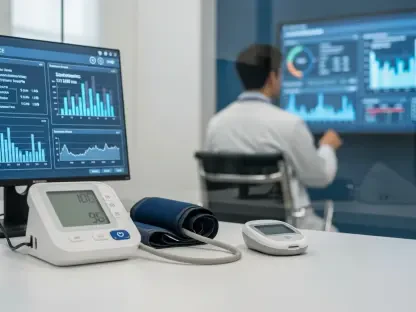
The practical application of this trend is visible in the evolution of the dental “checkpoint.” Modern practices are increasingly adopting standardized medical protocols once reserved for primary care offices, such as routine blood pressure monitoring and systemic risk assessments. By incorporating these checks into a standard cleaning appointment, dentists can identify hypertension or erratic vitals in patients who might not otherwise seek medical attention. This proactive approach transforms a routine visit into a comprehensive screening opportunity that can catch silent killers before they escalate into emergencies.
Notable shifts are also occurring in diagnostic technology. For instance, the development of saliva-based diagnostics allows providers to screen for biomarkers related to diabetes and various cancers directly from the dental chair. These non-invasive tests provide immediate data that can be shared with a patient’s broader medical team. Furthermore, insurers are prioritizing the merger of Electronic Health Records, ensuring that a patient’s medical and dental history are accessible to all providers in real-time. This connectivity facilitates coordinated interventions for comorbidities like diabetes, where oral health and blood sugar levels are deeply interdependent.
Expert Perspectives: The Collaborative Care Ecosystem
Industry leaders, including Dr. Daniel Croley of Delta Dental, argue that the siloed nature of traditional healthcare remains a significant barrier to optimal patient outcomes. Experts suggest that because the dental chair often serves as the only point of contact for a large portion of the population, dentists must be recognized as de facto primary care gatekeepers. This perspective shifts the responsibility of the dentist from localized repair to holistic health management. The consensus among thought leaders is that “total health” is an unattainable goal as long as oral care remains isolated from the rest of the medical journey.
Advocates for this change are pushing for a cultural and structural shift where insurers, dental professionals, and medical associations align their protocols. The goal is to treat the patient as a single biological unit rather than a collection of separate symptoms. Moreover, this collaborative ecosystem requires new training modules for both dentists and physicians to ensure they speak a common clinical language. By fostering a environment where a cardiologist and a periodontist work from the same data set, the healthcare industry can close the gaps that historically allowed chronic diseases to go undetected.
Future Projections: The Evolution of Holistic Medicine
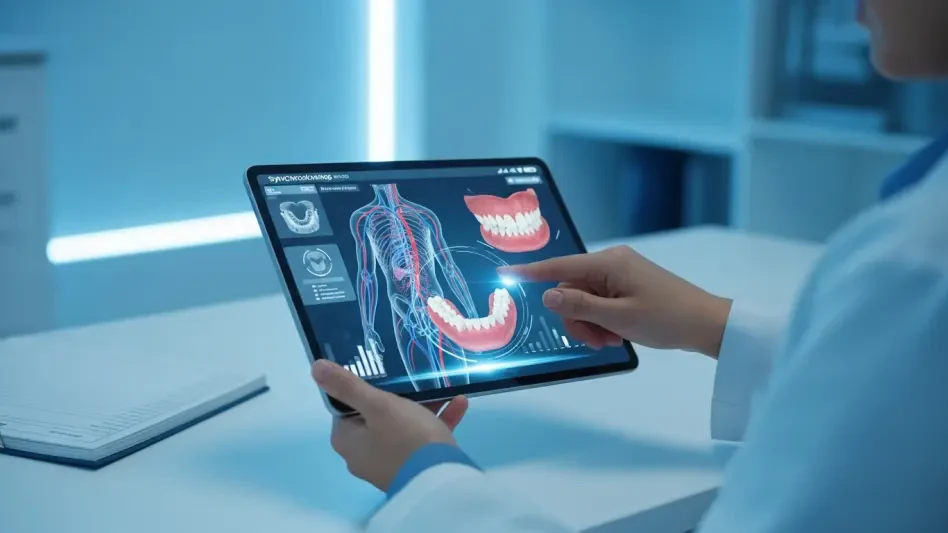
The future of healthcare points toward a seamless integration where the distinction between dental and medical becomes increasingly blurred. We can expect the widespread adoption of AI-driven diagnostic tools in dental offices that can predict systemic flares or chronic disease onset years in advance. These algorithms will likely analyze oral microbiomes and imaging data to provide personalized health forecasts. While the benefits—including earlier disease detection and a significant reduction in long-term healthcare costs—are clear, the industry must still navigate the logistical hurdles of universal data interoperability and updated reimbursement models.
As these models evolve, the healthcare system will likely transition from a reactive, symptom-based approach to a proactive, holistic strategy. This will involve the physical co-location of dental and medical services in “wellness hubs,” where patients can address all their health needs in a single visit. Such a move would not only improve patient compliance but also ensure that preventive measures are applied consistently across all physiological systems. The integration of oral health is thus a foundational pillar of a new era of personalized medicine that values the mouth as an essential component of the human biological narrative.
Summary: The Integrated Healthcare Frontier
The integration of oral healthcare into the broader medical continuum represented a vital evolution in public health. By breaking down the silos between the dental chair and the primary care exam room, the medical community capitalized on a massive opportunity for early intervention and chronic disease management. Stakeholders moved toward a future where insurance providers rewarded holistic outcomes rather than just isolated procedures. This shift required clinicians to adopt new technologies and communication strategies that bridged the gap between different medical disciplines. Ultimately, the industry acknowledged that the mouth is not an isolated system, and treating it as such compromised the potential for true preventive medicine and an enhanced quality of life.