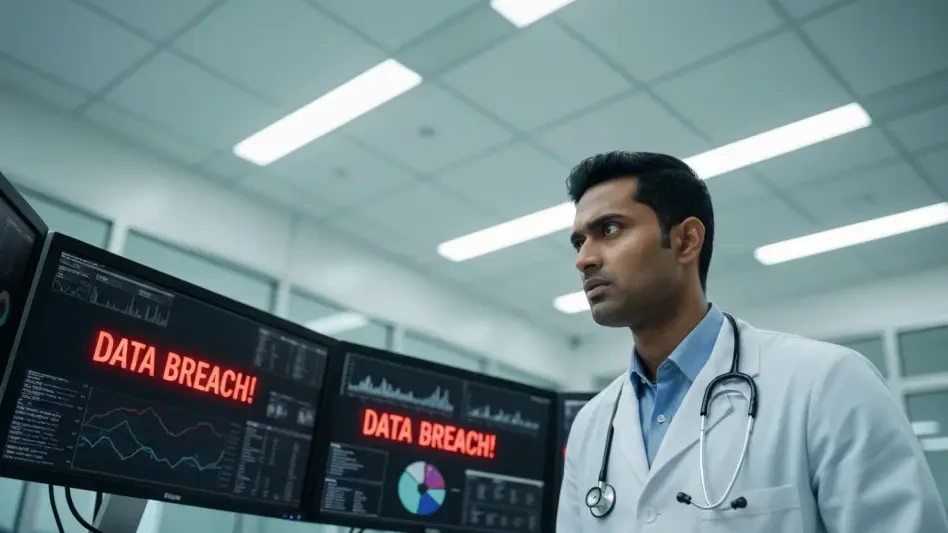

The implicit trust placed in medical providers to safeguard not just physical health but also deeply personal information was profoundly shaken following the disclosure of a major cybersecurity incident at the Swift Institute. This Nevada-based medical practice has become the latest example in an unnerving trend of healthcare organizations falling victim to sophisticated cyberattacks, leaving a trail of exposed patient data in their wake. The breach serves as a stark reminder that the digital files holding our most sensitive secrets are increasingly vulnerable, transforming patient care facilities into high-stakes targets for digital theft.
When a Doctor’s Office Becomes a Digital Crime Scene
The attack on Swift Institute is not an isolated event but part of a broader, alarming reality where healthcare providers are prime targets for cybercriminals. These institutions manage vast repositories of valuable information, making them attractive targets. The transition to digital records, while improving efficiency in patient care, has also created new vulnerabilities that malicious actors are keen to exploit.
Consequently, the entire healthcare sector faces mounting pressure to fortify its digital defenses against threats that are constantly evolving. The financial and reputational costs of a breach are immense, but the true cost is measured in the erosion of patient trust and the potential for life-altering identity theft. For patients, the very place they turn to for healing can become the source of significant financial and personal distress.
Why Stolen Health Information Is a Criminal Goldmine
Compromised medical data is exceptionally valuable on the dark web, often fetching a higher price than credit card numbers alone. This is because protected health information (PHI), combined with personally identifiable information (PII) like Social Security numbers and driver’s license details, creates a complete identity profile. Criminals can use this comprehensive data set to commit a wide range of fraudulent acts.
With this stolen information, thieves can file fraudulent insurance claims, obtain prescription medications, and even receive medical treatment under a victim’s name, corrupting their official health records. Furthermore, the inclusion of financial account and credit card information allows for immediate monetary theft, making the Swift Institute data a particularly potent weapon for identity thieves.
A Timeline of the Swift Institute Security Failure
The breach began on January 28, when an unauthorized party successfully infiltrated the Swift Institute’s network and copied sensitive files. The intrusion was not detected immediately; the company only identified unusual network activity two days later, on January 30, prompting an internal investigation. This initial delay highlights the stealthy nature of modern cyberattacks, which can occur long before an organization is aware of the compromise.
What followed was a protracted period of uncertainty for patients. Although the breach was discovered in January, the full scope of the incident and the specific data affected were not determined until a comprehensive review was completed on December 4. This nearly eleven-month gap between detection and notification left potentially affected individuals unaware of their risk, unable to take preemptive action to protect their identities during that critical time.
Swift Institute’s Response Damage Control and Patient Support
Upon discovering the breach, Swift Institute took immediate steps to contain the threat and understand its scope. The organization engaged external legal counsel and retained a team of third-party forensic specialists to conduct a thorough investigation into the nature of the attack and the extent of the data exfiltration. The findings were subsequently reported to the Attorney Generals’ offices in relevant states, including California and Vermont, on December 12.
To mitigate the damage to affected individuals, the institute has offered a package of support services. This includes a dedicated assistance line for questions and 12 months of complimentary credit monitoring and identity restoration services through Cyberscout, a TransUnion company. However, the onus is on the victims to act; enrollment in these protective services is not automatic and must be completed within 90 days of receiving a notification letter.
A Personal Defense Plan for Compromised Data
For those impacted by the breach, taking immediate action is critical to safeguarding their financial and personal well-being. The first and most urgent step is to enroll in the complimentary credit monitoring service offered by Swift Institute before the 90-day deadline expires. This service provides crucial alerts regarding any new activity on a credit file, offering an early warning system for potential fraud.
Beyond credit monitoring, individuals should consider placing a fraud alert or a more restrictive security freeze on their credit files with the three major bureaus: Equifax, Experian, and TransUnion. A fraud alert notifies potential creditors of possible identity theft, while a security freeze blocks new credit from being opened altogether without express permission. Constant vigilance remains the best long-term defense, which includes meticulously reviewing all financial statements, credit reports, and medical bills for any unauthorized or suspicious activity.
The Swift Institute data breach ultimately underscored a harsh reality for modern healthcare: digital vulnerability is now an inescapable part of patient care. While the institute responded with forensic investigations and support offerings, the incident left a lasting impact on those whose most private information was exposed. It demonstrated that personal data defense can no longer be a passive concern but requires active, ongoing vigilance from every individual. The event served as a powerful lesson that in an interconnected world, the security of personal health information is a shared responsibility, demanding greater fortification from institutions and heightened awareness from the patients they serve.