
Introduction
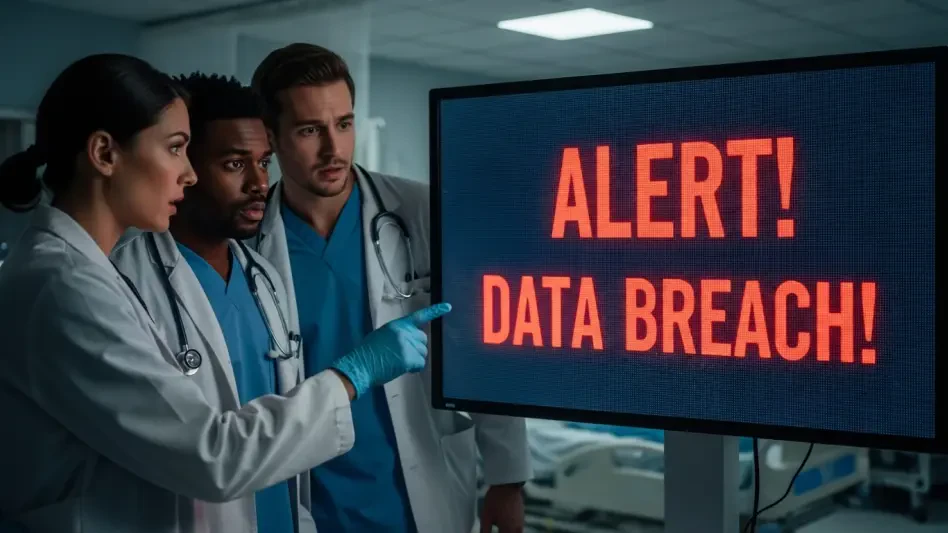
The implicit trust placed in healthcare institutions to safeguard our most vulnerable personal information was recently tested following a significant cybersecurity incident at a prominent New York hospital. St. John’s Riverside Hospital, a long-standing community healthcare provider, has become the subject of a data breach lawsuit investigation after unauthorized individuals gained access to sensitive patient and employee data. This event underscores the growing threat of cyberattacks targeting the healthcare sector, where compromised information can have devastating consequences.
This article serves as a comprehensive frequently asked questions guide to help individuals understand the complexities of this situation. The objective is to provide clear, actionable information about the breach itself, the types of data exposed, and the rights and options available to those who have been affected. Readers can expect to gain a thorough understanding of the incident and learn what steps they can take to protect themselves in its wake.
Key Questions and Answers About the Breach
What Happened in the St. John’s Riverside Hospital Data Breach
In September 2025, St. John’s Riverside Hospital identified a security incident involving unauthorized access to several employee email accounts. An internal investigation revealed that the breach was part of a sophisticated phishing campaign designed to reroute payment funds. The hospital responded swiftly by resetting account passwords, revoking access tokens, and engaging data security professionals to contain the threat and assess the scope of the compromise.
Following a thorough investigation, the hospital determined that the personal information of 2,238 individuals had been potentially accessed. In compliance with federal regulations, St. John’s Riverside Hospital officially reported the incident to the U.S. Department of Health and Human Services on November 14, 2025. Additionally, a public Notice of Data Breach was posted on its website to inform the community and affected parties about the event and the response measures being taken.
What Type of Information Was Potentially Exposed
The data compromised in the breach is extensive and highly sensitive, encompassing a wide range of personally identifiable information (PII) and protected health information (PHI). Exposed data may include full names, dates of birth, Social Security numbers, and driver’s license or state identification numbers. This information alone is sufficient for perpetrators to attempt identity theft and other forms of fraud.
Furthermore, the breach exposed critical financial and medical details, which significantly elevates the risk for affected individuals. This includes financial account numbers, health insurance information, and specific medical data such as conditions, treatment provider names, medical record numbers, treatment costs, and diagnostic information. The combination of personal, financial, and health data makes the exposed information particularly valuable on the dark web, as it can be used for highly targeted and damaging fraudulent activities, including filing false medical claims.
What Are My Rights and What Steps Should I Take
If you received a notification letter from St. John’s Riverside Hospital, it is crucial to understand that you have specific rights and proactive measures you can take to mitigate potential harm. First, carefully review and save any official communications from the hospital. If free credit monitoring or identity protection services are offered, enrolling promptly is a vital first step toward safeguarding your financial well-being. These services can alert you to suspicious activity, often before significant damage occurs.
Beyond enrolling in monitoring services, maintaining personal vigilance is essential. Regularly scrutinize your financial statements, explanation of benefits statements from your health insurer, and other sensitive accounts for any unauthorized transactions or unusual activity. Should you discover anything suspicious, contact the relevant financial or medical institution immediately to report it. Moreover, you are entitled to place a fraud alert on your credit file by contacting one of the three major credit bureaus, which will instruct creditors to take additional steps to verify your identity before extending new credit.
Am I Entitled to Compensation
Individuals impacted by the St. John’s Riverside Hospital data breach may be entitled to seek compensation for the damages incurred as a result of the incident. Data breach laws are in place to protect consumers, and when an organization fails to adequately secure sensitive information, affected parties may have legal recourse. Compensation can cover a range of harms, including reimbursement for out-of-pocket expenses spent on credit monitoring or resolving fraud, as well as monetary damages for time spent addressing the breach’s consequences.
In many cases, victims may also be compensated for non-economic damages, such as emotional distress and the anxiety caused by having one’s private medical and financial information exposed. Premier class-action law firms, such as Shamis & Gentile P.A., are investigating this breach to help victims understand their legal options and pursue a collective remedy. Joining a lawsuit can be an effective way to hold an institution accountable for its security failings and to recover compensation for the broad impact of the data compromise.
A Summary of the Situation
The security incident at St. John’s Riverside Hospital represents a serious breach of patient and employee trust, placing sensitive personal and medical information at risk. The hospital has confirmed that a phishing attack in September 2025 led to unauthorized access to email accounts, affecting over two thousand individuals. In response, the hospital is taking steps to secure its systems and has notified the appropriate federal authorities and the public.
For those affected, the situation demands immediate attention and proactive self-protection. This includes carefully monitoring financial and medical accounts, taking advantage of any identity protection services offered, and understanding legal rights. The investigation into a potential lawsuit highlights that victims may be eligible for compensation for various damages, and legal avenues exist to hold the responsible parties accountable for the lapse in data security.
Looking Ahead for Affected Individuals
The data breach at St. John’s Riverside Hospital served as a stark reminder of the vulnerabilities inherent in our interconnected digital world, especially within the healthcare sector. The exposure of such deeply personal information created a lasting burden for the victims, who were forced to confront the potential for identity theft, financial fraud, and a profound loss of privacy. Their experience underscored the critical importance of robust cybersecurity measures for any institution entrusted with sensitive data.
This incident also highlighted the long-term vigilance required from individuals whose information has been compromised. The threat did not end once the breach was contained; rather, it marked the beginning of a sustained period of watching over personal accounts and credit reports. The path forward for those affected involved not only seeking potential compensation but also adopting a heightened state of awareness about their digital footprint and advocating for stronger data protection standards across all industries.