
The complexity of modern oncological diagnosis requires a level of integration that surpasses traditional hospital structures, where disparate departments often struggle to coordinate rapid treatment plans for patients facing aggressive malignancies. As oncology shifts toward molecular-level interventions, the partnership between regional healthcare leaders and global research powerhouses has become the new benchmark for success in the Gulf South. By combining local accessibility with the rigorous protocols established by world-renowned institutions, medical centers are effectively narrowing the gap between experimental breakthroughs and community-based application. This synergy allows for a more responsive healthcare model that prioritizes data-driven decisions while maintaining a high degree of empathy for the individual. The current landscape of cancer treatment demands more than just modern equipment; it requires a structural overhaul of how patients enter the system and move through various stages of clinical therapy.
Diagnostic Precision and Targeted Therapy
Genomic Profiling: Tailored Treatment Strategies
In the current medical environment, the shift toward personalized medicine relies heavily on comprehensive genomic profiling to identify specific mutations that drive tumor growth in individual patients. By analyzing the unique genetic makeup of a tumor, clinicians can bypass the trial-and-error approach of traditional chemotherapy in favor of targeted therapies that hit specific molecular markers. This level of precision minimizes unnecessary side effects and significantly improves the likelihood of a positive response to treatment. The implementation of high-throughput sequencing within the clinical workflow ensures that patients receive these insights early in their journey, often within days of their initial diagnosis. Furthermore, the integration of bioinformatic analysis allows oncologists to compare a patient’s specific mutation profile against a vast database of clinical outcomes, effectively predicting which drugs will be most effective. This data-centric model is redefining survivability for many patients.
Collaborative Boards: The Convergence of Expertise
The traditional siloed approach to medicine is being replaced by multidisciplinary tumor boards where surgeons, radiation oncologists, pathologists, and geneticists collaborate on a single case in real-time. This collective intelligence ensures that every possible angle of a patient’s condition is scrutinized, from the surgical feasibility of a tumor removal to the potential for long-term radiation efficacy. Such collaboration prevents the delays often associated with separate consultations and ensures that the final treatment plan is cohesive and robust. During these sessions, experts debate the merits of various clinical pathways, often arriving at innovative solutions that a single specialist might not have considered in isolation. This collaborative framework is essential for managing complex cases that involve co-morbidities or rare cancer subtypes. By fostering an environment of constant peer review, the quality of care remains consistently high across the entire healthcare network and the broader region.
Strategic Growth and Community Integration
Clinical Research: Expanding Local Access to Innovation
One of the most significant ways to elevate cancer care is by providing local access to advanced clinical trials that were previously only available at major research hubs in distant cities. By integrating these trials into the local healthcare infrastructure, patients can participate in cutting-edge research without the added burden of extensive travel and logistical challenges. This expansion is crucial for increasing the diversity of clinical trial participants, which in turn leads to more comprehensive data on how different populations respond to new treatments. Between 2026 and 2028, the focus remains on streamlining the enrollment process and ensuring that trial coordinators are deeply embedded within the primary care teams. This proximity allows for the seamless transition of patients from standard protocols to experimental therapies when conventional options are exhausted. The ability to offer these advanced alternatives locally strengthens the relationship between the community and the center.
Digital Infrastructure: Enhancing Patient Support Systems
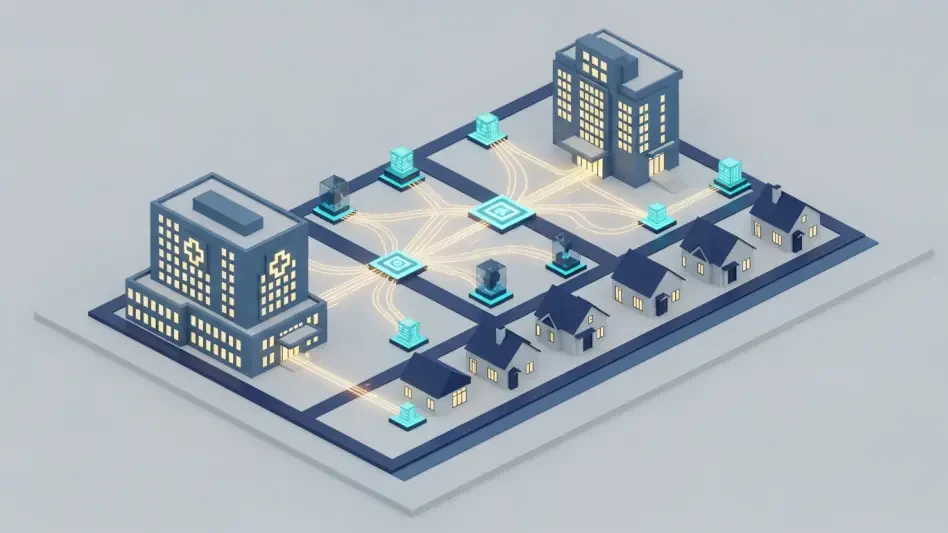
The role of technology in cancer care extends beyond the laboratory and into the daily lives of patients through sophisticated digital health platforms and remote monitoring tools. These systems allow care teams to track patient symptoms in real-time, enabling proactive interventions that can prevent complications before they require emergency hospitalization. This digital infrastructure also facilitates virtual consultations, ensuring that specialized expertise is available regardless of a patient’s physical location. Patient navigators use these tools to coordinate complex schedules, manage medication adherence, and provide educational resources tailored to the specific needs of each individual. By reducing the administrative and logistical friction of cancer treatment, these platforms allow patients to focus more on their recovery and less on the complexities of navigating a massive healthcare system. The result is a more human-centric experience that leverages technology to provide constant support.
Strategic Evolution: Practical Benchmarks for Future Excellence
The transition toward a fully integrated cancer care model demonstrated that success depended on the seamless union of advanced technology and collaborative human expertise. Medical professionals recognized that improving outcomes required not just the latest medications, but a fundamental shift in how diagnostic data was shared across different specialties. It became clear that the most effective strategies involved empowering patients with localized access to clinical trials while maintaining a rigorous adherence to global safety and efficacy standards. Stakeholders prioritized the development of robust digital support systems that bridged the gap between hospital visits and home care, ensuring that no patient felt abandoned during their treatment. These efforts solidified a framework where precision medicine was no longer an elite luxury but a standard expectation for everyone. Moving forward, providers focused on the continued expansion of genomic registries to better predict disease patterns and the journey.