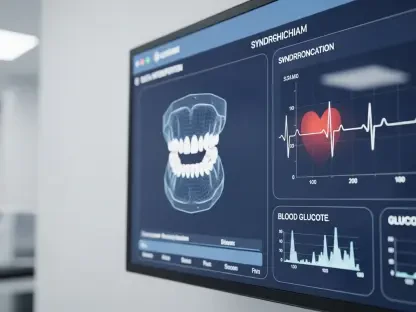

The sheer volume of medical data generated by a single human being over a lifetime often remains trapped in fragmented digital silos, inaccessible and indecipherable to the very person it describes until the arrival of advanced interpretive systems. This reality has long fueled a disconnect between clinical expertise and patient understanding, creating a barrier to effective self-advocacy. Microsoft Copilot Health enters this space as a sophisticated AI assistant designed specifically to decode medical jargon and centralize disparate health records into a single, navigable stream. By positioning this technology at the intersection of professional clinical data and consumer wellness, Microsoft seeks to transform the passive recipient of medical care into an informed, active participant.
Introduction to Microsoft Copilot Health
This specialized AI assistant represents a pivotal shift in how technology interacts with the most intimate aspects of human life. At its core, the platform serves as a bridge, translating the high-density language of pathology reports and clinical notes into narratives that a layperson can comprehend without losing the underlying medical context. This transition marks a significant departure from the original iteration of Copilot, which focused primarily on office productivity and coding, signaling Microsoft’s intent to solve one of the most persistent problems in the modern healthcare market: information fragmentation.
The platform functions as a sophisticated companion rather than a simple search engine. It operates within the broader landscape of digital health by synthesizing data from various touchpoints, from the primary care physician’s office to the heart rate monitor on a user’s wrist. As personal wellness management becomes increasingly data-driven, the relevance of a tool that can provide both a macro-view of long-term trends and a micro-view of specific lab results cannot be overstated. It addresses a critical need for health literacy in an era where patients are often overwhelmed by the sheer quantity of data they receive.
Technical Infrastructure and Connectivity
EHR Integration and Interoperability
One of the most impressive technical feats of this system is its robust connectivity with over 50,000 hospitals and healthcare facilities across the nation. Traditionally, Electronic Health Records (EHRs) have been siloed within proprietary systems that do not communicate well with one another, forcing patients to navigate multiple portals to see their own history. The AI solves this by pulling data through standardized interoperability protocols, creating a unified interface that assembles a comprehensive clinical timeline.
This integration matters because it eliminates the “blind spots” that often lead to redundant testing or overlooked drug interactions. By providing a single point of access for disparate records, the tool ensures that the AI’s interpretive layer has the most complete dataset possible. This technical foundation allows the system to recognize patterns that might span years of visits to different specialists, offering a level of continuity that was previously difficult to achieve in a fragmented medical ecosystem.
Biometric Synthesis and Wearable Compatibility
Beyond formal clinical records, the infrastructure extends to consumer-grade hardware, including integration with devices from Apple, Fitbit, and Garmin. The technical challenge here involves normalizing data from various sensors and combining it with formal medical lab results. While a lab report provides a snapshot in time, wearables provide a continuous stream of biometric trends, such as resting heart rate, sleep cycles, and daily activity levels.
The performance of the interpretive layer is particularly evident when it correlates these data sets. For example, if a user’s lab results indicate a change in thyroid function, the AI can look back at three months of sleep and heart rate data to help the user understand how those clinical numbers might be manifesting in their daily physical experience. This synthesis moves the conversation away from abstract technical jargon and toward a personalized understanding of one’s own physiology.
Emerging Trends in AI-Driven Health Management
The emergence of such tools reflects a broader trend toward the democratization of medical data. For decades, the patient role was largely passive, characterized by waiting for a physician to interpret results and dictate the next steps. Generative AI is shifting this dynamic by moving the interpretive layer closer to the consumer, allowing for “patient-led” healthcare. In this new model, the AI acts as a 24/7 educator, reducing the information barriers that often prevent individuals from asking the right questions during their limited time with a doctor.
Furthermore, this trend is reshaping health literacy at a fundamental level. By providing immediate, context-aware explanations of complex terms, the technology prevents the common pitfall of users turning to unverified internet forums that often prioritize sensationalism over accuracy. This shift toward verified, data-driven interpretation suggests a future where personal health management is continuous rather than episodic, driven by an ongoing dialogue between the user and their own medical history.
Real-World Applications and Use Cases
Enhancing Doctor-Patient Consultations
In practical terms, the tool is already changing how individuals prepare for clinical appointments. Users can utilize the AI to identify specific biometric trends or anomalies that occurred since their last visit, allowing them to present a concise summary to their physician. This preparation is invaluable in a high-pressure clinical environment where doctors often have less than fifteen minutes per patient. By arriving with clarified questions and a better understanding of their lab results, patients can ensure that their time in the exam room is spent on high-level decision-making rather than basic definitions.
Personal Wellness and Long-Term Health Tracking
For those managing chronic conditions, the application of this technology is even more profound. Navigating complex medical histories across multiple providers is a significant cognitive burden that the AI can alleviate. Whether it is tracking the long-term efficacy of a new medication or monitoring daily activity levels in relation to cardiac health, the platform provides a sense of agency. It helps users see the “why” behind their treatment plans, making it easier to maintain the lifestyle changes necessary for long-term health.
Challenges, Security, and Regulatory Hurdles
Despite its potential, the platform faces significant challenges regarding the high stakes of medical accuracy. The phenomenon of “AI hallucinations” is particularly dangerous in a healthcare context, where an incorrect interpretation of a lab result could lead to unnecessary panic or, conversely, a false sense of security. Microsoft has navigated this by maintaining a strict distinction between providing health information and making medical diagnoses. Maintaining this “health companion” status is essential for regulatory compliance with the FDA, which maintains rigorous standards for diagnostic software.
Privacy concerns also loom large, as Protected Health Information (PHI) is among the most sensitive data an individual can share. Microsoft addresses this by utilizing separate, secure encryption spaces that are isolated from the data used to train general AI models. However, the hurdle remains a matter of public trust. Convincing users that their intimate health data is safe from both external breaches and internal commercial exploitation is a continuous effort that requires absolute transparency and frequent security audits.
Future Outlook and Development Trajectory
The trajectory of this technology points toward even deeper integration into professional medical environments. There is significant potential for breakthroughs in predictive analytics, where the AI might identify the early warning signs of chronic disease years before they manifest as clinical symptoms. As the ecosystem matures, Microsoft could become the dominant hub for consumer health data, providing a standardized platform that both patients and providers trust for real-time health monitoring and preventative care.
The impact on the healthcare ecosystem will likely involve a redefinition of the clinician’s role. As AI takes over the burden of data synthesis and basic education, physicians may find themselves focusing more on the human elements of care—empathy, complex diagnosis, and personalized treatment strategy. This evolution suggests a future where technology does not replace the doctor but instead removes the clerical and interpretive friction that currently clogs the medical system.
Final Assessment of Microsoft Copilot Health
The evaluation of Microsoft Copilot Health revealed a platform that successfully acted as a connective tissue for a historically disjointed industry. It demonstrated that when technical interoperability is combined with an intuitive AI interface, the result was a significant improvement in health literacy and data accessibility. The system proved that users were capable of engaging deeply with their own medical records when the barrier of technical jargon was removed. While concerns regarding data security and the risk of AI-induced anxiety remained, the platform established a clear boundary between information and diagnosis that protected its clinical integrity.
Ultimately, the tool represented a bold step toward a future where patients owned their data in a meaningful way. It was clear that the technology provided a valuable service by synthesizing clinical facts with daily biometric trends, offering a holistic view of wellness that was previously impossible for most consumers to achieve. As the platform continued to evolve, its impact on the patient experience suggested that the era of passive healthcare was drawing to a close, replaced by a more collaborative and informed approach to human longevity. This shift toward democratized data stood as the most significant contribution of the technology to the modern healthcare landscape.