
The modern clinical landscape is undergoing a profound metamorphosis where the traditional walls of the hospital no longer define the boundaries of effective medical intervention. As healthcare systems pivot away from the volume-heavy fee-for-service models, the industry is embracing a future where patient outcomes and long-term wellness dictate financial success. This shift necessitates a sophisticated reliance on data that originates not from the sterile environment of a clinic, but from the daily lives of patients themselves.
The Paradigm Shift: Understanding the Intersection of PGHD and Value-Based Care
The transition from monitoring inpatient volume to prioritizing quality-driven outcomes has fundamentally altered how providers define success. In this new era, the period following a patient’s discharge is just as critical as the surgery or treatment itself. High-performing health systems are recognizing that the traditional gaps in care—the weeks or months between physical appointments—are where most complications occur. Consequently, the focus has shifted toward maintaining a continuous presence in the patient’s life through digital oversight.
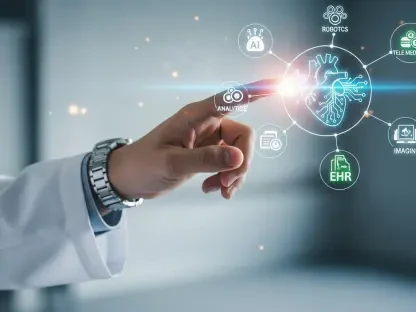
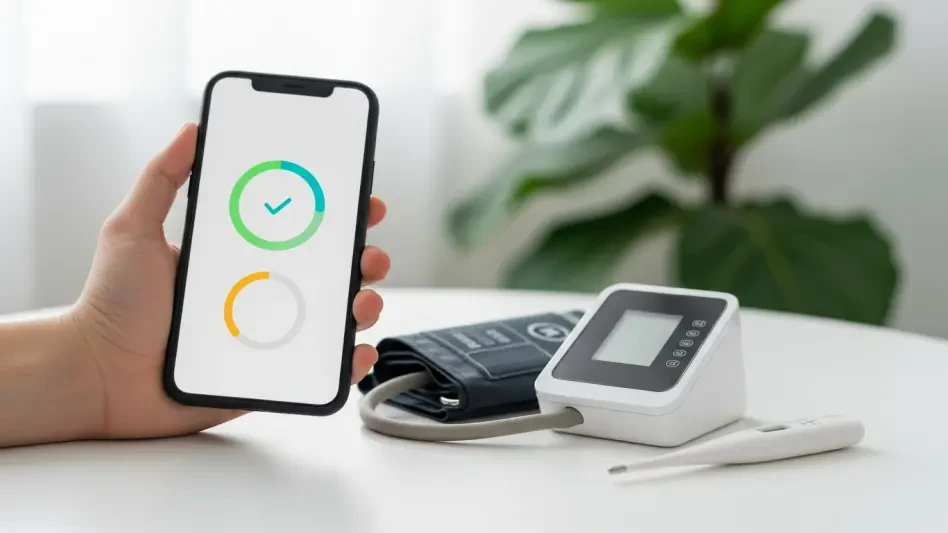
Patient-Generated Health Data (PGHD) serves as the primary currency in this post-discharge management strategy. By integrating app-connected sensors, medical-grade wearables, and automated chatbots into modern clinical workflows, providers can extend their reach into the community setting. This constant stream of information allows for a more nuanced understanding of a patient’s recovery trajectory. Moreover, remote health status monitoring has proven to be an essential tool in reducing avoidable hospital readmissions, ensuring that patients remain stable and supported in their own homes.
Harnessing Digital Health Tools to Drive Clinical Performance
Emerging Technological Enablers and Proactive Consumer Health Behaviors
We are witnessing the rise of the active patient, an individual who is no longer a passive recipient of care but an engaged participant in their own health journey. This behavioral shift is supported by an explosion of wellness-tracking mobile applications that allow users to document their daily habits. These tools empower patients to take ownership of their recovery, fostering a deeper sense of accountability and connection to their clinical goals.
Beyond basic tracking, real-time sensors now play a defensive role by detecting early warning signs of health deterioration. For instance, a sudden weight gain in a heart failure patient or a significant drop in physical activity among the elderly can trigger immediate clinical alerts. These digital bridges maintain a vital connection between the community and the clinic, transforming what used to be a reactive “wait and see” approach into a proactive model of preventive medicine.
Quantifying the Value: Market Projections for Remote Monitoring and Real-Time Analytics
The financial implications of these technologies are substantial, as PGHD plays a pivotal role in reducing high-cost Emergency Department (ED) visits. By catching potential issues before they escalate into crises, health systems can significantly lower the total cost of care. Market forecasts from 2026 to 2030 suggest a consistent growth trajectory for remote patient monitoring technologies, driven by their proven ability to stabilize chronic conditions over the long term.
Furthermore, evaluating performance indicators has become more streamlined through real-time analytics. Providers can now measure patient engagement levels with high precision, correlating digital participation with better health outcomes. This data-driven approach allows administrators to justify the investment in digital infrastructure by demonstrating clear improvements in patient stabilization and a reduction in redundant medical services.
Navigating the Logistical and Technical Barriers to Enterprise-Wide Adoption
Despite the clear benefits, integrating vast amounts of external data presents significant logistical hurdles. Many clinicians express concerns regarding data integrity and the potential for information overload, fearing that an influx of unvetted data might cloud their clinical judgment. To address these fears, health IT leaders must prioritize the accuracy of consumer-grade devices and develop sophisticated filtering mechanisms that highlight only the most relevant clinical insights.
Solving the documentation burden is another critical step toward widespread adoption. Rather than adding more administrative tasks to an already exhausted workforce, PGHD must be funneled through intuitive Electronic Health Record (EHR) integrations. Moving from fragmented, department-specific pilots to a unified enterprise data strategy ensures that information is accessible across the entire continuum of care. Additionally, health systems must actively work to close the digital divide, ensuring that socioeconomic factors do not prevent diverse populations from accessing these life-saving technologies.
Establishing Frameworks for Compliance, Security, and Fair Reimbursement
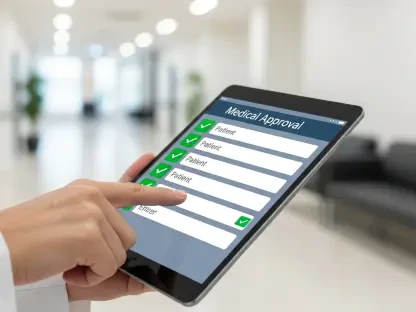
The regulatory environment is finally catching up with technological capabilities, as CMS policy changes have introduced new incentives for interpreting patient-generated data. These reimbursement models acknowledge the time and expertise required for clinicians to review and act upon external health logs. By aligning financial incentives with clinical best practices, the healthcare industry is creating a sustainable path for the long-term adoption of digital monitoring programs.
Security remains a paramount concern in a highly connected digital ecosystem. Maintaining data privacy requires rigorous adherence to evolving regulatory standards to prevent unauthorized access to sensitive health information. Streamlining the collection and storage of external logs must be done with a focus on encryption and patient consent. When clinical compliance is aligned with value-based payment models, providers can offer more comprehensive care without compromising the security of the patient’s digital footprint.
The Future of Personalized Medicine: Innovation and Market Disruptors
Artificial Intelligence is poised to become the ultimate filter for high-volume PGHD, prioritizing the most urgent data points for human review. This automation allows clinicians to focus on intervention rather than data entry. As global economic conditions and changing consumer preferences continue to favor digital-first care, we can expect a rapid transition away from manual health diaries toward automated, real-time digital insights that define the next generation of preventive care.
Market disruptors in the remote diagnostic and sensor sectors are likely to introduce even more sophisticated tools, such as non-invasive blood chemistry monitors and advanced predictive algorithms. These innovations will further decentralize healthcare, moving diagnostic capabilities from the laboratory to the living room. This evolution will force traditional health systems to adapt quickly or risk losing market share to agile, tech-driven competitors who prioritize convenience and real-time accessibility.
Strategic Takeaways for Implementing a High-Impact PGHD Strategy
The integration of patient-generated data has redefined the essence of clinician-patient communication, turning it into a dynamic and continuous dialogue. Health systems that successfully implemented these strategies focused on building scalable, equitable, and secure infrastructures that prioritize the user experience for both the provider and the patient. It was discovered that a unified enterprise approach was the only way to avoid the pitfalls of data silos and redundant costs.
Moving forward, leaders identified that the most successful programs were those that addressed the digital divide early, ensuring that health equity was not an afterthought. The long-term outlook for investment in digital infrastructure became clear: those who embraced the transition toward data-driven, value-based excellence secured a more resilient and cost-effective future. By treating PGHD as a vital component of the clinical record, the industry moved toward a more personalized and preventive model of care.