
The silent progression of frailty often remains undetected until a minor fall or infection spirals into a catastrophic health crisis for the elderly population. Modern medicine traditionally operated on a reactive basis, intervening only when symptoms became too severe to ignore. However, the paradigm is shifting toward proactive risk stratification, where the goal is to identify vulnerability long before a clinical event occurs. This transition is essential as global healthcare infrastructures face the unprecedented economic and clinical burden of an aging demographic that requires more than just episodic treatment.
The digitalization of clinical assessments represents a significant leap forward in this evolution. While the Comprehensive Geriatric Assessment has long been the gold standard for evaluating elderly patients, its manual implementation is often too resource-intensive for busy primary care settings. The introduction of the Electronic Frailty Index allows practitioners to leverage existing data within Electronic Health Records to generate a snapshot of a patient’s physiological reserve. This shift is being driven by a coalition of healthcare providers, software developers, and public health agencies who recognize that digital tools are the only scalable solution for modern geriatrics.
The Evolution of Frailty Management in Modern Healthcare Systems
The shift toward proactive geriatrics is defined by the ability to move away from crisis management and toward preventive care pathways. By analyzing routine health data, systems can now flag individuals who are at a higher risk of adverse outcomes, allowing for early interventions such as nutritional support or physical therapy. This approach not only improves the quality of life for the individual but also eases the strain on hospital infrastructures that are often overwhelmed by preventable admissions.
The global challenge of an aging population is no longer a distant concern but a present reality requiring immediate structural changes. Primary care centers are increasingly tasked with managing complex, multi-morbid patients who do not fit into traditional, single-disease models of care. As the economic burden of frailty continues to rise, the necessity for a standardized, digital approach to risk assessment becomes a matter of institutional survival for many healthcare systems.
Digital transformation is replacing the cumbersome, paper-based assessments that once defined geriatric medicine. By integrating algorithms directly into the clinical workflow, the Electronic Frailty Index can synthesize hundreds of data points without requiring extra labor from the physician. This automation ensures that frailty screening becomes a routine part of care rather than an exceptional task reserved for specialized geriatric wards, effectively democratizing expert-level insights across the entire healthcare continuum.
Key Trends and Data-Driven Insights in Frailty Detection
Emerging Technologies and the Digitalization of Clinical Syndromes
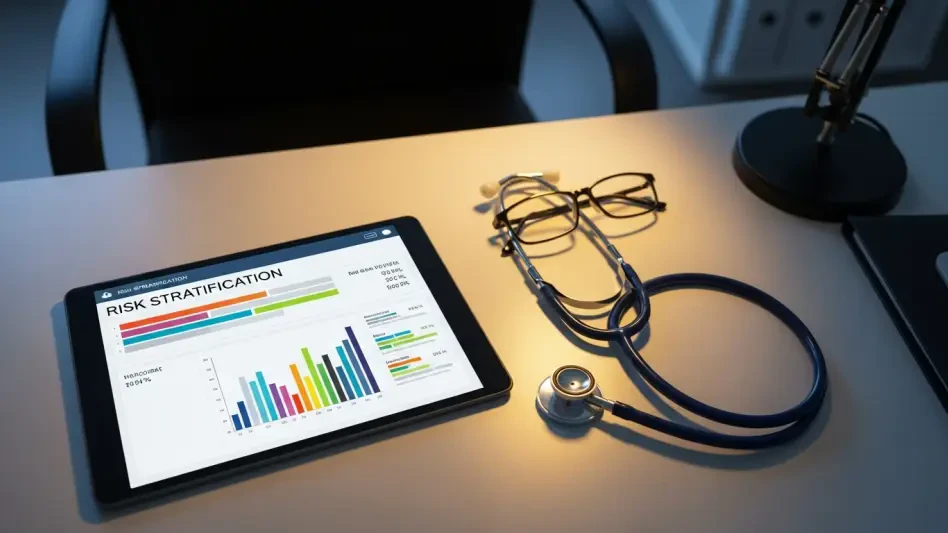
Automated risk stratification is the cornerstone of modern frailty detection, utilizing algorithmic analysis to identify subtle patterns in health data. These tools can scan medication histories, diagnostic codes, and laboratory results to produce a vulnerability score in seconds. This speed allows primary care teams to prioritize their most at-risk patients during routine visits, ensuring that resources are allocated where they can have the most significant impact on health outcomes.
Holistic data integration is also moving beyond simple physical markers to include cognitive, social, and psychological dimensions. A digital profile that considers social isolation or mild cognitive impairment provides a much more accurate representation of a patient’s true health status than one focused solely on mobility. By capturing the multidimensional nature of frailty, these digital tools help clinicians craft personalized care plans that address the patient as a whole person rather than a collection of symptoms.
Synergy with mobile health platforms is further enhancing the accuracy of these indices by incorporating patient-reported outcomes and wearable data. Devices that track gait speed, sleep patterns, and daily activity levels provide a continuous stream of information that fills the gaps between office visits. This real-time data integration allows for a more dynamic understanding of frailty, capturing the fluctuations in health that traditional, point-in-time assessments often miss.
Market Projections and the Growth of Computational Gerontology
The statistical validity of digital tools is a critical factor in their widespread adoption across primary care settings. Recent evaluations have shown that electronic indices maintain high levels of feasibility and reliability, often matching the accuracy of manual clinical assessments. This evidence base is crucial for gaining the trust of practitioners who rely on these scores to make high-stakes decisions regarding surgery, medication adjustments, or long-term care planning.
Economic impact and cost-avoidance forecasts suggest that early frailty detection could save healthcare systems billions in emergency costs. By reducing the frequency of hospitalizations and delayed discharges, these tools offer a clear return on investment for administrators. The ability to optimize resource allocation through data-driven insights is becoming a primary motivator for the integration of computational gerontology into standard clinical practice.
Future growth patterns indicate that the adoption of electronic frailty tools will expand rapidly across international healthcare networks over the coming decade. As software becomes more sophisticated and data sharing becomes more common, these indices will likely become a universal language for geriatric care. This trend toward standardization will enable better benchmarking and the sharing of best practices across different regions and health systems.
Navigating Technical and Operational Barriers to Implementation
Interoperability remains one of the most significant hurdles to the seamless adoption of frailty indices. When data is trapped in disparate silos, the accuracy of the index is compromised, as the algorithm cannot access the full history of the patient. Bridging these gaps requires a concerted effort to standardize data formats and encourage open communication between different software platforms and healthcare settings.
Clinical adoption also depends heavily on overcoming the knowledge gap through targeted training for primary care teams. Simply providing a score is not enough; practitioners must understand how to interpret these digital insights and translate them into actionable care pathways. Education initiatives that focus on the practical application of the Electronic Frailty Index are essential for ensuring that these tools actually improve patient outcomes rather than just adding to the digital noise.
Data quality and the potential for bias are ongoing concerns that must be addressed to prevent health inequities. If the underlying data in an Electronic Health Record is incomplete or skewed, the resulting frailty score may be inaccurate for certain socioeconomic or ethnic groups. Ensuring that algorithms are validated across diverse populations is a prerequisite for a fair and effective digital health strategy that serves all elderly citizens equally.
The Regulatory Landscape and Data Governance Standards
Standardizing frailty metrics is a priority for health authorities aiming to establish universal benchmarks for clinical validity. Without a clear set of standards, the market risks being flooded with various indices that produce inconsistent results. Regulatory bodies are working to define what constitutes a valid electronic frailty index, ensuring that any tool used in clinical decision-making meets rigorous performance criteria.
Privacy and cybersecurity are particularly sensitive issues when handling the records of elderly patients. Navigating the complexities of regulations like HIPAA or GDPR requires robust encryption and clear data governance policies to protect against breaches. Maintaining patient trust is paramount, and healthcare organizations must demonstrate that they are using digital tools responsibly and ethically to manage sensitive health information.
Compliance with value-based care incentives is increasingly tied to the adoption of automated screening tools. As healthcare payment models shift from volume to quality, providers are rewarded for achieving better outcomes and reducing complications. Digital frailty indices provide the data necessary to prove the effectiveness of interventions, making them an indispensable asset for organizations operating under these new financial structures.
The Future Frontier: Predictive Analytics and Personalized Aging
Machine learning is moving the field from simply identifying current frailty to forecasting specific adverse events before they happen. Predictive modeling can analyze historical trends to estimate the likelihood of a fall or a sudden decline in cognitive function months in advance. This foresight allows for the implementation of preventive measures that can drastically alter the trajectory of a patient’s aging process.
The rise of anticipatory care models will enable highly personalized interventions that were previously impossible at scale. By combining frailty scores with genetic and metabolic data, future systems could suggest specific nutritional or pharmacological optimizations tailored to the individual. This level of precision ensures that older adults receive exactly what they need to maintain their independence for as long as possible.
Empowering patients and caregivers through transparent health data is a vital component of the aging-in-place movement. When families have access to frailty insights, they can participate more effectively in shared decision-making and better understand the risks associated with certain lifestyle choices. This transparency fosters a collaborative environment where the patient is an active participant in their own health journey.
Advancing the Standard of Care for an Aging World
The integration of electronic frailty indices into the healthcare landscape successfully bridged the gap between academic research and frontline geriatric practice. These tools provided a reliable framework for identifying vulnerability, which allowed clinicians to move away from reactive crisis management. The evidence gathered from these digital systems demonstrated that proactive stratification significantly reduced the incidence of avoidable hospitalizations.
Healthcare leaders who prioritized investment in digital infrastructure and workforce training saw the greatest improvements in patient outcomes. By embedding these tools into routine workflows, organizations maximized the benefits of early screening and personalized care. The transition toward data-driven geriatrics proved to be a sustainable strategy for managing the complexities of an aging global population.
The long-term potential of electronic indices to enhance the dignity and health of the elderly became a cornerstone of modern medical philosophy. As predictive analytics and personalized care models matured, the focus remained on preserving the independence of older adults. This transformation in geriatric care ensured that the healthcare systems of the future were better equipped to provide compassionate and efficient support to a growing demographic.