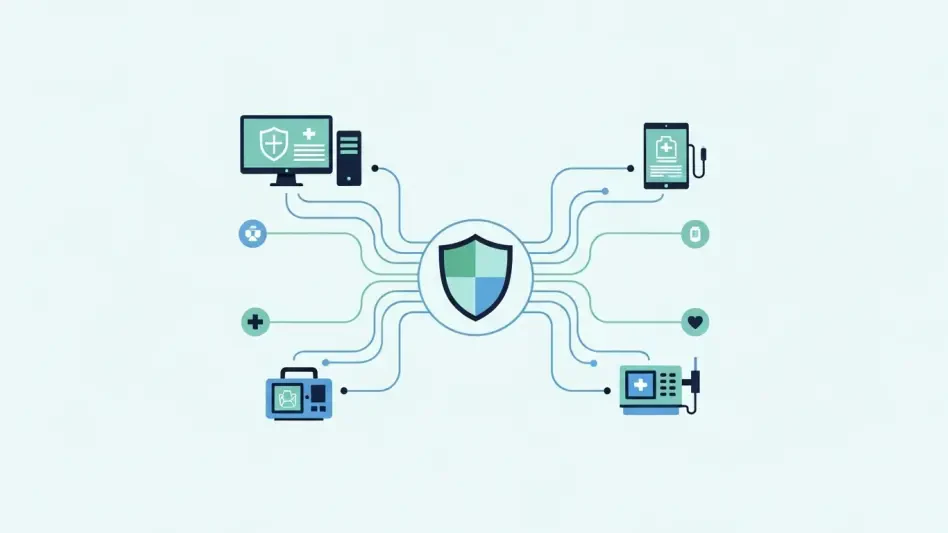

While healthcare pioneers new frontiers in medicine with robotics and AI, its digital front door remains guarded by a relic of the early internet: the password, and the cost of this anachronism is growing steeper by the day. This fundamental disconnect between clinical innovation and administrative technology creates a significant drag on an industry where every second can impact patient outcomes. The persistent reliance on outdated authentication methods is more than an inconvenience; it represents a hidden tax on efficiency, security, and the very quality of care that providers strive to deliver.
The High Cost of Hanging On: Healthcare’s Password Predicament
The cumulative burden of forgotten passwords, frequent resets, and cumbersome login procedures creates what can be termed a “Password Pain Tax.” This tax is paid not in dollars alone, but in wasted minutes that clinicians could be spending with patients. Operationally, it manifests as decreased productivity and increased IT helpdesk costs. From a security standpoint, it fosters risky behaviors, such as password sharing or using simple, easily compromised credentials, opening the door to cyberattacks that target sensitive patient data.
This problem is compounded by a fragmented technological landscape. A majority of healthcare delivery organizations, 54% in fact, report using three or more different vendors for authentication, creating a confusing and inconsistent user experience for clinicians. The result is a hybrid environment where modern tools like fingerprint biometrics are often layered on top of legacy password dependencies rather than replacing them. Consequently, 60% of organizations remain heavily reliant on passwords, failing to realize the full security and efficiency benefits of a truly modernized infrastructure.
The Passwordless Imperative: Trends and Data
From Static Logins to Dynamic Security: A New Authentication Philosophy
The industry is experiencing a fundamental shift in its approach to identity security. The traditional model of a single, point-in-time multifactor authentication (MFA) check at login is increasingly viewed as insufficient for the dynamic and high-stakes healthcare environment. Static verification fails to account for what happens after initial access is granted, leaving a critical security gap that sophisticated attackers can exploit.
In its place, a consensus is forming around the need for continuous, context-aware security. This new philosophy prioritizes the ongoing monitoring of user sessions, assessing risk based on factors like location, device, and typical user behavior. The data reflects this changing mindset, with an overwhelming 81% of IT leaders now valuing continuous session monitoring over simple login authentication. This move from a static gateway to dynamic oversight marks a crucial evolution in protecting patient information.
The Great Disconnect: Aspiration vs. Reality in Numbers
Despite a clear desire for modernization, a significant gap exists between intention and implementation. An overwhelming 85% of healthcare IT leaders view passwordless authentication as either “mission-critical” or “very important” for their organizations’ security and operational success. This near-unanimous agreement underscores the recognized need to move beyond outdated security protocols.
However, the reality of adoption lags far behind this aspiration. A mere 7% of healthcare organizations have fully implemented passwordless workflows. This chasm has direct and measurable consequences. In 41% of institutions, the friction caused by passwords leads to delays in patient care. Furthermore, it pushes clinicians toward unsafe shortcuts, with 46% of organizations reporting that staff use risky workarounds to bypass cumbersome login processes, inadvertently undermining security.
The Three-Headed Hydra Halting Progress
The slow pace of adoption is not due to a lack of will but to a confluence of significant, intertwined barriers. These obstacles form a three-headed challenge that many organizations struggle to overcome. The most frequently cited issue, noted by 57% of IT leaders, is the technical complexity of integrating modern identity solutions with entrenched legacy systems, such as older electronic health records (EHRs) and medical devices that were not designed for modern authentication.
Beyond the technical hurdles, cultural and workflow considerations present another major challenge. Clinical acceptance, a concern for 52% of leaders, is paramount. There is a palpable fear that introducing new authentication methods, no matter how secure, could disrupt established clinical routines and slow down the speed of care, even temporarily. The third primary obstacle, cited by 51% of leaders, is a deep-seated fear of navigating the intricate web of regulatory requirements within a new authentication framework.
Navigating the Maze of Regulatory Compliance
The healthcare industry operates under some of the most stringent regulatory frameworks, including HIPAA for patient privacy and EPCS for prescribing controlled substances. The perceived difficulty of aligning modern, passwordless solutions with these exacting standards often leads to institutional inertia. IT leaders express significant concern about ensuring that new authentication methods will meet the rigorous demands of auditors and federal mandates.
This fear of non-compliance can paralyze decision-making, causing organizations to stick with known, albeit flawed, password-based systems rather than risk a misstep during a technological transition. While many modern identity solutions are designed specifically to meet or exceed these standards, the burden of proof remains on the healthcare organization. This creates a high-stakes environment where the perceived risk of change often outweighs the recognized risks of the status quo.
Charting the Course: The Inevitable Shift to Secure, Seamless Access
Despite the formidable barriers, the trajectory of healthcare identity security is clear. The current password-heavy environment is fundamentally unsustainable in the face of escalating cyber threats and the relentless demand for greater clinical efficiency. The transition toward adaptive, passwordless systems is not merely an option but a strategic imperative for survival and growth in the modern healthcare ecosystem.
This evolution is essential for providing clinicians with the fast, intuitive, and secure access they need to perform their jobs effectively. By removing the friction of passwords, organizations can unlock significant gains in productivity and reduce clinician burnout. Simultaneously, adaptive authentication provides a more robust defense against attackers by continuously verifying identity and context, creating a security posture that is both stronger and more resilient.
From Pain to Progress: A Prescription for Passwordless Adoption
The current state of authentication in healthcare presents a clear and urgent problem. The reliance on passwords imposes a significant tax on clinical workflows, compromises security, and can directly impact patient care. The chasm between the recognized importance of passwordless technology and its actual implementation highlights the critical challenges that must be addressed.
Ultimately, the transition to a passwordless environment is more than a simple security upgrade; it is a foundational investment in the future of healthcare delivery. By prioritizing secure and seamless access, organizations empower their clinicians, protect their patients, and build a more resilient operational framework. The path forward requires a concerted effort to overcome technical, cultural, and regulatory hurdles, reframing the adoption of modern authentication as a crucial step toward optimizing both patient safety and clinical excellence.