
Introduction
The sheer volume of digital tools flooding modern hospitals promises a future of precision and efficiency, yet frontline clinicians often find themselves drowning in a sea of disconnected alerts and cumbersome interfaces. This paradox highlights a critical misunderstanding at the heart of healthcare innovation. The prevailing belief that more technology inherently leads to better outcomes is proving to be a flawed premise, contributing to staff burnout and stagnant improvements in patient safety. The real challenge is not a scarcity of technology but a profound failure to make existing systems communicate and collaborate effectively.
This article aims to answer key questions surrounding this “integration gap” in healthcare. It will explore why simply adding new applications can be counterproductive and how a fundamental shift in strategy is required to transform a fragmented collection of tools into a cohesive ecosystem. Readers can expect to gain a clear understanding of the distinction between useful and less-useful data in clinical settings and learn about the strategic mindset needed to make technology a genuine asset rather than an administrative burden.
Key Questions or Key Topics Section
Why Does Adding More Technology Worsen Clinical Workflows
Many health systems operate under the assumption that progress is measured by the acquisition of new digital tools. When a problem arises, the common reaction is to seek out a new application to solve it. However, this approach often has the opposite of its intended effect. When new technologies are layered onto an environment where foundational systems are not properly aligned, they do not streamline operations. Instead, they introduce further complexity and friction.
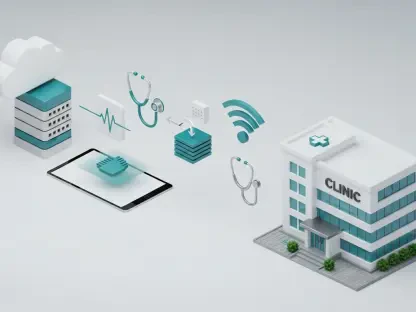
This additive strategy creates new data silos, forcing clinicians to navigate yet another platform in their already demanding routines. Without the necessary “connective tissue” to link electronic health records (EHRs), monitoring devices, and communication platforms, each new tool becomes an isolated island of information. The result is a disjointed technological landscape that forces frontline staff to mentally piece together a complete picture of a patient’s status, increasing cognitive load and the potential for error. Technology, meant to be a supportive ally, consequently becomes another source of frustration.
What Is the Integration Gap in Healthcare
The central issue plaguing healthcare technology is best described as an “integration gap,” not a technology gap. This term refers to the vast chasm between the abundance of sophisticated digital tools available and their disjointed, ineffective application within the fast-paced reality of patient care. Healthcare organizations are not suffering from a lack of innovative software or hardware; they are suffering from the inability of these components to function as a unified system.
This gap means that even the most advanced individual tools cannot deliver their full potential. An EHR may hold a patient’s history, a bedside monitor may track vital signs, and a communication app may connect the care team, but if these systems do not share data seamlessly and intelligently, their collective value is severely diminished. Closing this gap requires moving beyond the simple procurement of technology and focusing instead on building a deliberate, integrated architecture where data and workflows are woven together to support the core mission of healing patients.
How Does Data Flow Inhibit Real Time Patient Care
Healthcare organizations generate an immense amount of data every second, yet its flow is critically flawed. The current paradigm is largely unidirectional, with data moving upward from the patient’s bedside to satisfy the needs of leadership, regulatory bodies, and public reporting agencies. This information is aggregated, analyzed, and presented in historical reports, often months after the clinical events have already occurred.
This broken feedback loop renders the data almost useless for the clinicians on the floor who are responsible for making immediate, life-altering decisions. By the time an analysis of quarterly mortality rates or infection trends filters back down to the care team, the critical window for intervention has long passed. Consequently, data primarily serves administrative and governance functions, creating retrospective artifacts for review meetings rather than providing dynamic, actionable insights to empower care providers in the moment.
What Is the Difference Between Outcomes and Process Data
To fix the broken data feedback loop, it is crucial to distinguish between two types of datoutcomes and process. Outcomes data is retrospective, answering the question of what happened in the past. Metrics like mortality rates or readmission statistics fall into this category. While valuable for long-term strategic planning and accountability, this information is not actionable for patients who are currently receiving care.
In contrast, process data reflects what is happening in real-time and provides the foundation for immediate clinical intervention. This type of data helps answer urgent questions like, “Which patients are showing early signs of sepsis and need antibiotics now?” or “Which patient’s condition is deteriorating and requires immediate escalation?” As seen in the management of sepsis, real-time alerts and data feeds from integrated systems empower clinicians to make proactive, informed decisions that directly impact patient survival. Focusing on process data transforms information from a historical record into a life-saving tool.
Summary or Recap
The primary obstacle to technological advancement in healthcare is not a deficit of tools but a failure of integration. Simply adding more applications to a fragmented system exacerbates complexity and clinician burden. This “integration gap” stems from a lack of connective tissue between essential platforms like EHRs and monitoring devices, which prevents them from working in harmony.
Furthermore, the conventional flow of data is counterproductive to immediate patient care. Information typically moves upward for administrative reporting, returning to clinicians as retrospective outcomes data that is too old to be actionable. The solution lies in shifting focus to real-time process data, which empowers proactive interventions. Ultimately, healthcare organizations must pivot from acquiring new technologies to strategically integrating the ones they already possess, building a cohesive operating system that aligns technology, data, and clinical workflows around patient safety and provider efficiency.
Conclusion or Final Thoughts
The path forward required a strategic pause, not an acceleration of technology acquisition. Health systems that successfully navigated this challenge were those that invested resources in meticulously mapping clinical workflows and re-architecting how their existing systems interacted. This foundational work allowed them to build a truly supportive technological ecosystem where data served the clinician, not just the administrator.
By achieving this deep alignment, technology was transformed from a source of friction into a natural extension of the care process. The adoption of any new tool became smoother because it could be slotted into a functional, coherent system rather than being forced into a fragmented one. It became clear that the most significant and sustainable improvements did not come from chasing the next innovation, but from taking the time to build a more thoughtful and integrated foundation for the tools already at hand.