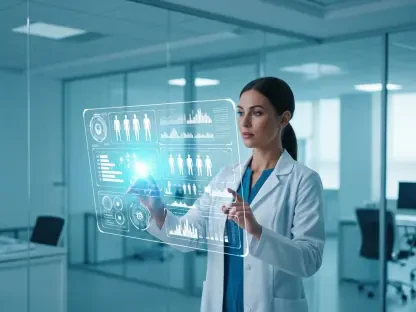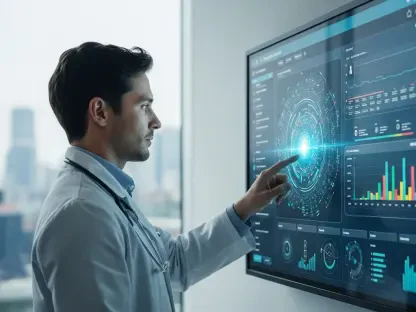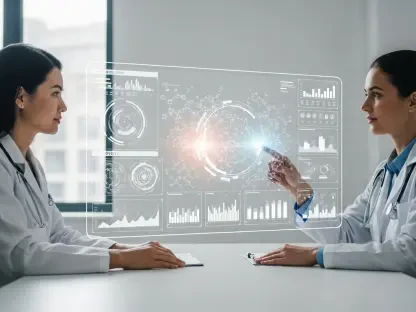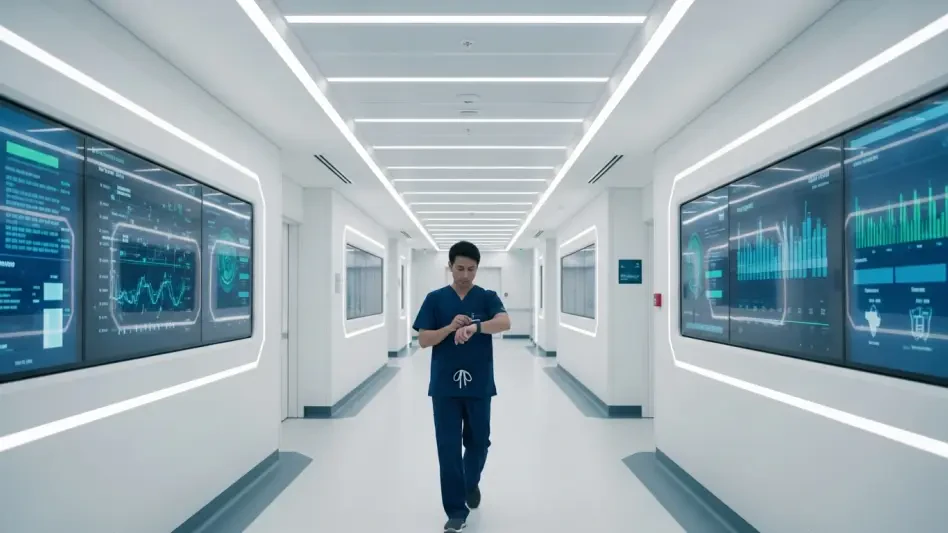

The integration of disparate medical technologies into a unified digital ecosystem has transitioned from a theoretical ambition to a critical operational mandate for survival in the current clinical landscape. Modern healthcare systems are no longer merely digitizing paper records; they are fundamentally re-engineering the relationship between human expertise and machine intelligence. This evolution represents a shift from a reactive posture to a proactive “thriving” mindset, where the mastery of complex data environments dictates the quality of patient outcomes. By fusing clinical intuition with sophisticated hardware and software, the industry is creating a cohesive environment where technology acts as an extension of the practitioner rather than a standalone tool.
Evolution of the Digital Health Ecosystem
The transition toward integrated healthcare has moved significantly beyond simple electronic record-keeping to embrace a holistic digital infrastructure. Historically, the sector struggled with fragmented systems that siloed information, creating bottlenecks that hindered real-time decision-making. Today, the focus has shifted toward creating a “fluid” data environment. This involves the synchronization of various technological layers, including cloud computing, mobile interfaces, and localized diagnostic tools, to ensure that the right information reaches the right person at the exact moment it is needed.
This architectural shift is driven by the realization that clinical excellence is inextricably linked to technological agility. As hospital systems expand, the ability to maintain a centralized yet accessible data core becomes the defining factor in operational efficiency. The current ecosystem emphasizes a “human-centric” design, where the complexity of the backend technology is masked by intuitive interfaces. This allows healthcare providers to spend less time navigating software and more time engaging with patients, effectively using technology to restore the personal connection that high-volume environments often erode.
Core Pillars of Integrated Health Technology
Strategic Technical Alliances and Hardware Ecosystems
A significant driver of modern integration is the strategic partnership between healthcare providers and consumer technology giants. Rather than relying solely on niche medical vendors, systems are increasingly deploying professionalized versions of consumer ecosystems, such as interconnected tablets and wearables. These devices serve as the physical touchpoints of the digital nervous system, facilitating instantaneous communication and data entry. For example, when nursing staff utilize wearable technology, the traditional “friction” of hospital communication—waiting for pages or searching for workstations—is virtually eliminated, allowing for immediate interventions.
These alliances matter because they bring the user-experience standards of the consumer world into the high-stakes medical environment. By leveraging hardware that staff are already familiar with, healthcare systems reduce training times and improve adoption rates. However, this implementation is unique because it requires a layer of enterprise-grade security and clinical-grade reliability that standard consumer products lack. The result is a hybrid ecosystem that combines the ease of use of a smartphone with the rigorous data protections required by medical regulations.
Artificial Intelligence Frameworks and Benchmarking
The integration of artificial intelligence into clinical workflows has necessitated the development of sophisticated evaluation frameworks to move beyond the “black box” nature of early algorithms. The industry is currently witnessing the rise of comparative environments where AI models are rigorously tested against human benchmarks and one another. These frameworks are essential for determining the safety and efficacy of tools used in radiology reporting or medical record summarization. By pooling data into centralized “arenas,” clinicians can objectively measure which models provide the most accurate diagnostic support.
What makes this implementation unique is the move toward transparency and standardization. Previously, AI was often implemented in a vacuum, with little clarity on how a specific model reached its conclusions. Modern frameworks prioritize explainability, ensuring that a tool’s output can be audited and understood by a human professional. This ensures that AI remains a supportive asset rather than an autonomous decision-maker, maintaining the clinician’s role as the final arbiter of care while utilizing the speed and pattern-recognition capabilities of the machine.
Emerging Trends in Clinical Data Management
Current behavior in the health tech sector is shifting from a fixation on connectivity toward an obsession with “data readiness.” While interoperability—the ability for different systems to talk to each other—remains a foundational goal, it is no longer the endgame. The industry has realized that transferring poor-quality data is often more dangerous than not transferring data at all. Consequently, there is a massive push toward auditing legacy environments and purging inaccurate or redundant records before they are fed into advanced analytics engines or shared across networks.
This prioritization of data quality over quantity represents a significant maturation of the field. It involves implementing strict governance protocols and choosing vendors based on their ability to validate and normalize data rather than just their ability to connect APIs. This approach mitigates the risk of “automated errors,” where a single piece of incorrect information is propagated across an entire health system at lightning speed. By ensuring the data is “clean” at the source, organizations are building a more reliable foundation for future innovations in predictive analytics and personalized medicine.
Real-World Applications and Sector Impact
The practical application of integrated technology is most visible in the optimization of clinical workflows and the improvement of diagnostic accuracy. In high-pressure environments like radiology or pathology, integrated AI tools assist in synthesizing vast amounts of imaging data, highlighting potential anomalies for human review. This synergy does not replace the specialist but rather acts as a high-speed filter, allowing the physician to focus their attention on the most complex cases while the system handles the routine screening.
Furthermore, integration is addressing the human barriers to care through linguistic inclusivity. AI-powered translation tools are now being embedded directly into electronic health record systems to automatically translate discharge instructions and medication schedules into a patient’s preferred language. This reduces the likelihood of post-treatment errors and fosters a deeper level of trust between patients and providers. By treating language access as a data integration problem rather than an administrative one, health systems are ensuring that quality care is accessible to a much broader demographic.
Current Challenges and Technical Hurdles
Despite the rapid pace of innovation, significant hurdles remain, particularly regarding the accuracy of legacy data. Many health systems are still burdened by decades of unorganized information, and cleaning this “dark data” is a resource-intensive process. Furthermore, the lack of universal benchmarks for AI reliability means that many clinicians remain skeptical of new tools. This skepticism is often justified, as a tool that performs well in a controlled testing environment may fail when exposed to the messy, unpredictable reality of a live clinical setting.
Moreover, the regulatory landscape has yet to catch up with the speed of technological change. Establishing consistent frameworks for data privacy in a decentralized, integrated environment is an ongoing challenge. There is also the risk of “vendor lock-in,” where a health system becomes so integrated into a specific company’s hardware and software ecosystem that switching to a superior alternative becomes prohibitively expensive and technically daunting. These trade-offs suggest that while integration offers massive benefits, it also requires a high degree of strategic foresight to avoid future obsolescence.
Summary of Integrated Health Developments
The progress observed in digital healthcare integration demonstrated that the industry moved away from fragmented experimentation toward a disciplined, foundational approach to technology. Stakeholders successfully shifted their focus toward data validation and the creation of rigorous evaluation standards for artificial intelligence, ensuring that new tools enhanced rather than complicated clinical work. By prioritizing the human element through linguistic tools and intuitive hardware, the sector proved that technical sophistication could coexist with empathetic patient care.
Ultimately, the most successful implementations were those that treated data as a strategic asset rather than a byproduct of administration. The transition toward a state of “thriving” required more than just the purchase of new software; it demanded a cultural shift toward transparency, accountability, and a commitment to data integrity. As these systems continued to mature, they provided a clear roadmap for a future where technology and human expertise were no longer distinct entities but were instead two parts of a single, highly efficient medical consciousness.