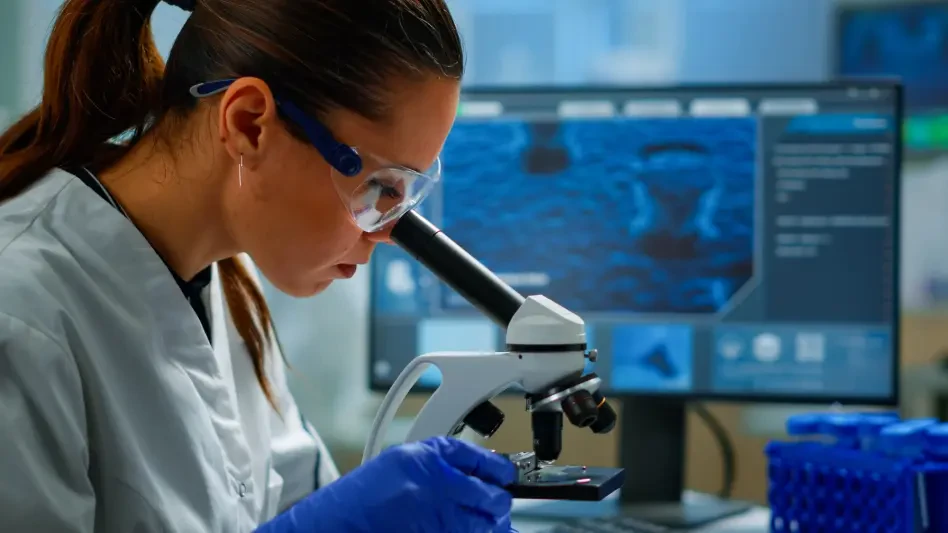

Imagine a world where cancer prevention is as precise as a tailored suit, crafted to fit an individual’s unique biological makeup. This vision is inching closer to reality through the transformative power of proteomics, a field that dives deep into the complex world of proteins to unravel cancer’s hidden triggers. As researchers harness vast datasets and cutting-edge technology, the potential to identify new risk factors and therapies is no longer a distant dream but a tangible frontier. This report explores how proteomics is revolutionizing cancer research, dissecting its current impact, emerging trends, challenges, and the future it promises in reshaping cancer care.
Decoding the Proteomics Revolution in Cancer Research
Proteomics, the large-scale study of proteins, has emerged as a cornerstone in understanding cancer at a molecular level. Unlike genomics, which focuses on DNA, proteomics examines the dynamic expressions and interactions of proteins—key players in cellular function and disease progression. Its growing relevance lies in the ability to pinpoint specific proteins linked to cancer risk, offering insights that genetic data alone often misses. Major institutions like Vanderbilt University Medical Center and the University of Calgary are leading the charge, integrating proteomic findings with other data types to uncover novel therapeutic targets.
This surge in relevance is fueled by technological advancements such as genome-wide association studies (GWAS) and population-scale proteomics, which allow for unprecedented analysis of biological data. These tools enable scientists to map out protein profiles across diverse populations, revealing patterns that signal heightened cancer risk. However, as the field expands, regulatory frameworks play a critical role in maintaining ethical standards. Ensuring data privacy and responsible usage, especially when handling sensitive electronic health records (EHRs), remains paramount to sustaining public trust and advancing research.
Emerging Trends and Market Dynamics in Cancer Proteomics
Pioneering Innovations and Research Breakthroughs
The landscape of cancer proteomics is being reshaped by the seamless integration of genomic, proteomic, and EHR data. This multidisciplinary approach has illuminated previously hidden cancer risk proteins, opening doors to innovative prevention strategies. Beyond discovery, a notable trend is the pivot toward drug repurposing—a cost-effective alternative to traditional drug development. By identifying existing medications that can target newly discovered proteins, researchers are finding quicker paths to viable therapies.
Moreover, emerging technologies are enhancing the precision of these discoveries. Advanced analytical tools are enabling a deeper dive into protein interactions, while personalized cancer prevention is gaining traction as a consumer demand. The ability to tailor interventions based on an individual’s protein profile is not just a scientific breakthrough; it represents a shift in how healthcare might address cancer before it even begins. This momentum signals a future where prevention could outpace treatment in priority.
Growth Metrics and Future Projections
The scale of recent studies underscores the potential of proteomics in cancer research. Analysis of over 75,000 participants from cohorts like the UK Biobank Pharma Proteomics Project has yielded significant results, including the identification of 101 cancer risk proteins, many of which were previously undocumented. These numbers reflect not just the breadth of data but also the depth of insight that large-scale integration can achieve, painting a clearer picture of cancer’s molecular underpinnings.
Looking ahead, projections suggest that proteomics will play a pivotal role in drug discovery and therapeutic innovation over the next several years. From the current year through 2027, the field is expected to drive a wave of new treatment options, especially through repurposed drugs. The ripple effect could transform clinical practices, making early intervention more accessible and effective. Such growth highlights proteomics as a linchpin in the ongoing battle against cancer.
Navigating Challenges in Proteomics-Driven Cancer Research
Despite its promise, proteomics faces substantial hurdles that temper enthusiasm with caution. A primary challenge is the need for rigorous validation of identified proteins and potential drugs through in vitro and in vivo experiments. Without this critical step, the leap from discovery to application remains uncertain. The complexity of merging diverse data types—genomic, proteomic, and clinical—further complicates the process, demanding sophisticated systems and expertise.
Additionally, the high costs associated with traditional drug discovery pose a persistent barrier. While drug repurposing offers a workaround, it is not without its own set of methodological challenges, including ensuring efficacy and safety for new uses. Overcoming these obstacles requires not only technological innovation but also strategic collaborations across sectors to pool resources and knowledge. Addressing these issues head-on will be essential to sustaining progress in this field.
Regulatory Landscape Shaping Proteomics and Cancer Therapy
The regulatory environment surrounding proteomics and cancer research is as intricate as the science itself. Compliance with ethical standards for handling genomic and EHR data is non-negotiable, with strict guidelines ensuring patient privacy and consent. Regulatory bodies also oversee large-scale data integration, setting parameters that balance innovation with accountability. This framework is vital for maintaining the integrity of research practices.
Furthermore, the approval process for repurposed drugs in cancer prevention adds another layer of scrutiny. Regulators must evaluate whether existing medications can safely transition to new therapeutic roles, a process that demands robust clinical evidence. Data security measures are equally critical, guarding against breaches that could undermine trust. Navigating this landscape shapes how quickly and effectively proteomic discoveries translate into real-world solutions.
Future Horizons: Proteomics as a Game-Changer in Cancer Care
Peering into the future, proteomics stands poised to redefine cancer care through disruptive advancements like AI-driven protein analysis and sophisticated data analytics. These tools promise to accelerate the identification of risk factors and therapies, potentially predicting cancer susceptibility with unprecedented accuracy. As consumer demand for personalized treatments grows, the pressure to innovate intensifies, pushing researchers to refine their approaches.
Global health policies will also influence this trajectory, directing funding and fostering international collaboration. The emphasis on repurposing existing drugs aligns with a broader push for sustainable healthcare solutions, addressing both cost and accessibility. If harnessed effectively, these dynamics could position proteomics as a linchpin in transforming cancer from a formidable foe to a manageable condition, heralding a new era of proactive care.
Synthesis and Vision for Proteomics in Cancer Solutions
Reflecting on the journey, the identification of 101 cancer risk proteins and the potential repurposing of 404 existing drugs marked a significant milestone in cancer research. These findings showcased the power of integrating diverse data sets to unearth actionable insights. The path forward, however, demanded a renewed focus on validation studies to confirm the efficacy of these discoveries, ensuring they held up under rigorous testing.
Collaboration emerged as a linchpin for success, with partnerships between academia, industry, and regulatory bodies proving essential to accelerate therapeutic advancements. Investment in cutting-edge technologies and data infrastructure also stood out as a priority to bridge existing gaps. By building on these foundations, the field committed to a future where proteomics not only identified risks but also delivered tailored, life-saving interventions with precision and speed.