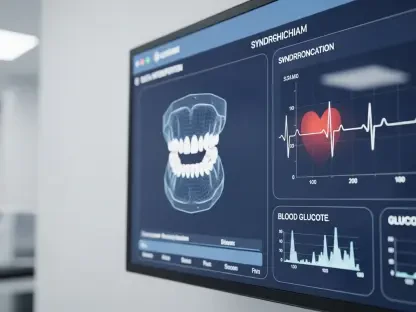

The medical community has finally begun to bridge the profound gap between subjective psychological distress and the objective biological markers that have long defined every other branch of clinical medicine. For over a century, psychiatry remained the only medical specialty where a practitioner could not order a definitive laboratory test to confirm a diagnosis or predict a treatment outcome. Instead, clinicians were forced to rely on patient interviews and outward behavioral observations, a method that left significant room for interpretation and error. This reliance on self-reporting created a diagnostic environment where the complexities of the human brain were often lost in translation between the patient’s lived experience and the physician’s subjective assessment.
The integration of biomarkers—measurable indicators such as blood proteins, genetic sequences, and brain activity patterns—represents a fundamental shift in how mental illness is perceived and managed. This transition toward precision medicine seeks to align psychiatry with the rigorous standards of oncology or cardiology. By identifying the biological fingerprints of conditions like depression, bipolar disorder, and schizophrenia, the healthcare system moved toward a model that prioritizes individual biology over broad, symptom-based categories. This evolution is not merely a scientific curiosity but a clinical necessity for millions of people who have spent years searching for clarity within a fragmented diagnostic framework.
Moving Beyond the “Guessing Game” of Modern Psychiatry
Psychiatry has historically functioned as an outlier within the medical landscape, utilizing symptom-based maps rather than biological benchmarks to navigate the human mind. While a cardiologist utilizes an EKG to measure heart rhythm or an oncologist performs a biopsy to identify malignant cells, mental health professionals have traditionally been confined to the observations outlined in the Diagnostic and Statistical Manual of Mental Disorders. This framework focused on the classification of outward signs, such as sleep disturbances or mood swings, rather than the underlying physiological drivers that cause these symptoms to manifest. Consequently, two patients with identical symptoms might receive the same diagnosis despite having completely different biological causes for their distress.
The field now stands at a historic crossroads, transitioning toward a biological revolution that promises to ground mental health in a measurable, physical reality. This shift involves moving away from the “guessing game” of traditional psychiatry and toward a system where blood tests and neuroimaging provide a clear path forward. As researchers uncover the complex interplay between the immune system, gut health, and brain chemistry, the boundary between physical and mental illness continues to blur. This new era of psychiatry recognizes that the brain does not function in isolation; it is a part of a systemic biological network that requires objective analysis to treat effectively.
Moreover, the move toward biological evidence helps to strip away the long-standing stigma that has historically plagued mental health care. When a condition can be identified through a blood protein or a genetic marker, it shifts the narrative from a perceived character flaw or emotional weakness to a recognized medical condition. This validation is crucial for patient engagement, as it fosters a sense of legitimacy that symptom-based diagnosis often fails to provide. The goal is to create a diagnostic standard that is as undeniable as a broken bone on an X-ray, ensuring that mental health is treated with the same urgency and precision as any other life-threatening illness.
The Human Cost of Diagnostic Uncertainty
The traditional “trial-and-error” approach to psychiatric care carries a devastating burden for those navigating chronic and severe mental health conditions. Statistical data indicates that only about 30% of patients with depression achieve full remission with the first medication they are prescribed. This low success rate often forces individuals into a grueling cycle of switching medications, adjusting dosages, and enduring debilitating side effects while their symptoms persist or worsen. For many, this process of elimination can take years, leading to a loss of employment, strained relationships, and a profound sense of hopelessness that often accompanies untreated mental illness.
The case of Amanda Miller, a neuroscientist who suffered from severe postpartum depression, serves as a poignant example of the limitations inherent in current diagnostic methods. For two years, Miller was cycled through various antidepressants and antipsychotics with no success, as her symptoms were treated as a primary psychiatric disorder. It was only after an underlying autoimmune marker for lupus was identified by a primary care physician that her “depression” was understood as a symptom of systemic inflammation. Her experience highlights a critical gap: when mental health symptoms are treated in isolation from the body’s systemic biology, the true root cause of a patient’s suffering may be entirely overlooked.
By failing to account for systemic biology, the current framework often misses the physical triggers of psychological distress, making the integration of biomarkers a matter of urgent clinical necessity. The prolonged duration of untreated mental health conditions can lead to permanent changes in brain structure and function, further complicating the recovery process. This uncertainty not only harms the patient but also places an immense strain on the families and caregivers who must support them through the volatility of ineffective treatments. Transitioning to a biomarker-led system would provide the clarity needed to bypass these years of suffering, offering a direct route to the most effective interventions from the very first appointment.
From Blood Proteins to Genetic Blueprints: The Tools of Change
The integration of biological metrics into the diagnostic process involves a fundamental shift in how the Diagnostic and Statistical Manual of Mental Disorders is utilized by clinicians. Key biological indicators currently under scrutiny include C-reactive protein (CRP), an inflammatory marker found in the blood that has shown remarkable predictive power. Research suggests that approximately 25% of patients with depression exhibit elevated CRP levels, and these individuals often do not respond to standard serotonin-based antidepressants. Instead, they may require medications that target dopamine or the immune system directly, a distinction that can only be made through objective laboratory testing.
Beyond inflammation, genetic profiling allows clinicians to understand how an individual’s unique genetic makeup influences drug metabolism. Pharmacogenomic testing identifies variations in the CYP450 enzyme system, which determines how quickly or slowly a person processes psychiatric medications. This data prevents the common issue of prescribing standard doses that may be toxic for a “slow metabolizer” or entirely ineffective for a “rapid metabolizer.” Additionally, brain activity mapping and neuroimaging provide a window into the functional connectivity of the brain, allowing doctors to see the neurological drivers of conditions like post-traumatic stress disorder or schizophrenia in real time.
The development of these tools represents a move toward a multi-modal diagnostic approach that combines genetics, proteomics, and neurology. Rather than relying on a single test, future diagnostics will likely involve a biological “profile” that gives a comprehensive view of the patient’s internal landscape. This systemic approach acknowledges that mental health is influenced by a variety of factors, including the microbiome, hormonal balance, and environmental triggers. By utilizing these genetic blueprints and protein markers, the medical community can finally move away from a one-size-fits-all model and toward a personalized treatment plan that respects the biological individuality of every patient.
Expert Consensus and the Economic Landscape of Precision Medicine
Leading organizations like the American Psychiatric Association have formally recognized that symptom-based diagnosis is no longer sufficient for the demands of modern medicine. In recent strategic papers, the APA emphasized the necessity of incorporating biomarkers into future diagnostic criteria to improve the validity and reliability of psychiatric labels. This consensus among the medical elite signals a paradigm shift that is slowly trickling down into clinical practice. However, the path to full implementation is hampered by a volatile funding landscape where millions in research grants face cancellation or delays due to shifting political and federal priorities.
Despite these research hurdles, the economic argument for biological testing is becoming increasingly difficult to ignore. Economic modeling suggests that the widespread adoption of biomarker diagnostics could save the healthcare system billions of dollars by reducing the frequency of hospitalizations and preventing the long-term disability associated with untreated mental illness. A study conducted on regional healthcare systems found that genetic testing alone could significantly reduce the overall cost of care by ensuring that patients are placed on the correct medication immediately. By shortening the “time to remission,” the system saves on the secondary costs of mental illness, such as lost workplace productivity and emergency room visits.
Furthermore, the transition to precision medicine aligns with broader public health initiatives aimed at curbing the over-prescription of psychiatric drugs. As policymakers and health officials scrutinize current prescribing habits, particularly in children, the demand for objective data has intensified. Biomarkers provide a safeguard against the “over-medicalization” of normal human emotions while ensuring that those with genuine biological needs receive the targeted care they require. The financial investment required to build the infrastructure for these tests is significant, but the long-term payoff in human health and economic stability makes it a primary focus for healthcare reformers.
Navigating the Ethical and Clinical Transition to Biological Psychiatry
Successfully revolutionizing mental health diagnostics requires a framework that balances rapid scientific innovation with robust patient protections. Policymakers must establish rigorous legislative safeguards to prevent biological data from being used as a tool for discrimination by insurance companies or employers. If a patient’s genetic profile suggests a predisposition to a severe psychiatric condition, that information must be protected with the same level of security as any other sensitive medical data. Without these protections, the “biological window” into the mind could inadvertently become a barrier to employment or affordable coverage, undermining the very benefits that precision medicine seeks to provide.
Simultaneously, the medical community must prioritize specialized training for clinicians in the fields of genetics, immunology, and data science. Many practicing psychiatrists were trained in an era that focused almost exclusively on psychotherapy and basic pharmacology, leaving a significant knowledge gap in the interpretation of complex biomarker data. Integrating these new tools into daily practice requires a shift in medical education and ongoing professional development to ensure that clinicians can accurately explain biological findings to their patients. This clinical transition also involves moving away from “fail-first” insurance policies, which mandate that patients try and fail multiple cheaper drugs before accessing the targeted therapies suggested by their biological profiles.
The era of trial-and-error medicine was finally brought to a close by the steady advancement of laboratory science and clinical research. Medical professionals utilized these new biological tools to replace the uncertainty of the past with the precision of data-driven care. The field of psychiatry adopted a more integrated view of the human body, recognizing that the brain functioned as a part of a complex, interconnected system. Legislative bodies passed the necessary protections to ensure that patient privacy remained a priority during this technological shift. Ultimately, the healthcare system transformed the way it identified and treated mental illness, providing patients with the clarity and targeted interventions they had long deserved.