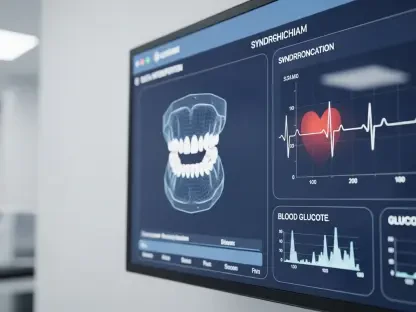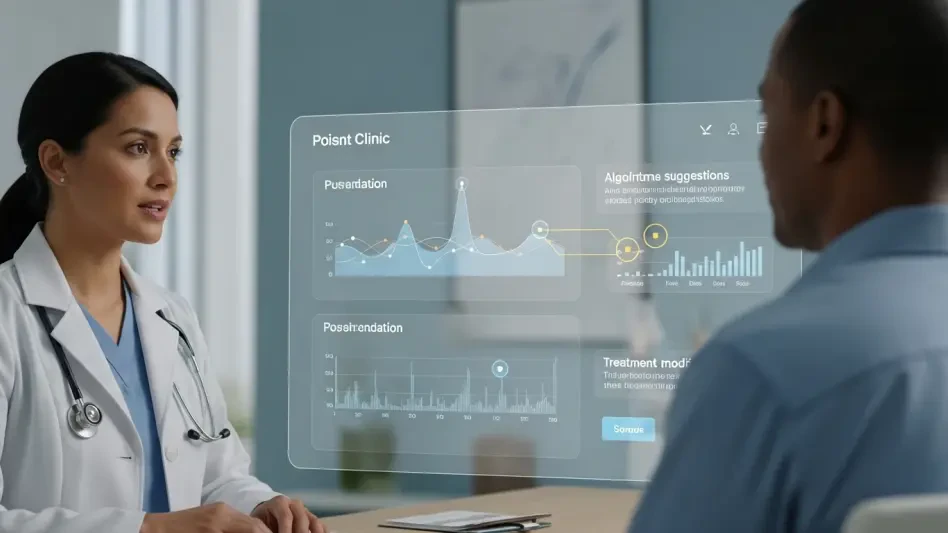

The next time a clinician adjusts a treatment plan for a chronic condition like high blood pressure, the decision-making process may unfold entirely without human intervention, guided by an autonomous algorithm. This is not a distant vision but an imminent reality taking shape within leading health systems, driven by a stark realization that the current model of care is unsustainable. The deployment of artificial intelligence agents operating without direct human oversight is poised to become a standard tool for managing specific clinical tasks, representing a fundamental shift in healthcare delivery.
This evolution is not a matter of choice but a pragmatic response to a system under immense strain. Health informatics leaders assert that AI is the most practical solution to address profound operational inefficiencies and critical workforce shortages that plague modern medicine. As these intelligent systems are integrated into clinical workflows, they promise to close dangerous gaps in care, accelerate treatment timelines, and redefine the very nature of a medical professional’s role.
A Necessary Shift: When the Doctor Is an Algorithm
The prospect of an algorithm managing patient care marks a pivotal turn in medicine, moving from AI as a diagnostic aid to AI as an autonomous agent. This transition is predicated on the understanding that for certain routine, data-driven tasks, an automated system can perform with greater speed and consistency than its human counterparts. The goal is not to replace clinicians but to delegate well-defined responsibilities, freeing medical professionals to focus on areas where human judgment and empathy are irreplaceable.
This necessary shift is grounded in the capacity of AI to meticulously follow established clinical guidelines. For chronic conditions governed by clear protocols, an algorithm can process vast amounts of patient data from home monitoring devices, make necessary adjustments, and initiate follow-ups without the delays inherent in manual processes. This creates a more responsive and proactive model of care management, directly addressing the system’s current bottlenecks.
Why Healthcare Can No Longer Afford the Status Quo
The American healthcare system has reached a breaking point, strained by a confluence of systemic pressures. A critical shortage of skilled clinicians, from primary care physicians to specialists and nutrition counselors, has created a workforce gap that cannot be filled through traditional means. Compounding this issue are profound operational inefficiencies that lead to wasted resources, administrative burden, and fragmented patient care, making it nearly impossible to deliver guideline-recommended care at scale.
For patients, these macro issues translate into frustrating and often harmful realities. Long waits for appointments, significant delays in receiving effective treatment, and alarming gaps in preventative care have become commonplace. The status quo is no longer a viable option, as it consistently fails to meet the needs of a population with a growing burden of chronic disease. This environment of scarcity and inefficiency makes the case for autonomous systems not just compelling but urgent.
From Clinical Theory to Automated Practice
The application of autonomous AI is moving rapidly from theory to practice, with clear use cases demonstrating its potential to transform patient outcomes. Hypertension management serves as a prime example. Currently, the process of titrating a patient’s blood pressure medication to an effective level is frustratingly slow, often taking six to nine months of incremental adjustments. In contrast, an AI agent can automate this process by analyzing home monitoring data in real time and adjusting dosages according to strict clinical guidelines, dramatically reducing a patient’s “time to therapy.”
Similarly, preventative screening presents a critical opportunity for automation. Nationwide, the screening rate for diabetic retinopathy—a preventable cause of blindness—hovers at an alarmingly low 15%. This gap is largely due to the friction created by manual handoffs, including ordering tests, interpreting results, and making referrals. A fully autonomous AI system can eliminate these points of failure, managing the entire workflow from initial order to specialist referral, with the potential to push screening compliance toward 100%.
Voices from the Vanguard of Health Informatics
The inevitability of this transition is a point of consensus among health informatics leaders. Dr. Devin Mann and Dr. Paul Testa of NYU Langone Health have been vocal proponents, framing autonomous AI as the most logical solution to the healthcare system’s intractable challenges. They argue that the technology is mature enough to handle specific, rule-based clinical tasks without direct human oversight, providing a level of efficiency that is currently unattainable.
Their confidence is backed by tangible progress. Dr. Mann has noted that an AI assistant already used for hypertension management at NYU, which currently operates with a human in the loop, is on a clear trajectory to function fully on its own within the next few years. This prediction underscores the rapid pace of development and the growing trust in these systems to perform reliably and safely, paving the way for wider adoption across various clinical domains.
A New Division of Labor for Human Clinicians
The integration of autonomous AI is not about obsolescence but about evolution. These systems are positioned to become the “missing workforce,” stepping in to fill essential roles that health systems are unable to staff, such as routine chronic disease monitoring and nutrition counseling. By taking over these predictable, data-intensive tasks, AI will enable a new division of labor, fundamentally redefining the role of the human clinician.
This shift will allow medical professionals to pivot away from routine tasks and dedicate their expertise to uniquely human strengths. The future of clinical work involves spending more time on comprehensive patient education, managing complex and nuanced edge cases, and fostering the trust essential for shared decision-making. As algorithms manage the protocols, clinicians will be empowered to focus on the art of medicine: communication, empathy, and the intricate judgments that lie beyond the reach of any code.
The journey toward integrating autonomous AI into clinical care was defined not by technological ambition alone, but by a pressing need to solve systemic failures. The case studies in hypertension and preventative screening highlighted how automation could directly address dangerous delays and gaps in the existing healthcare model. Expert consensus pointed toward a future where a new division of labor would allow human clinicians to focus on their most impactful skills. This path was forged from necessity, establishing a foundation for a more efficient, responsive, and ultimately more human-centered system of care.