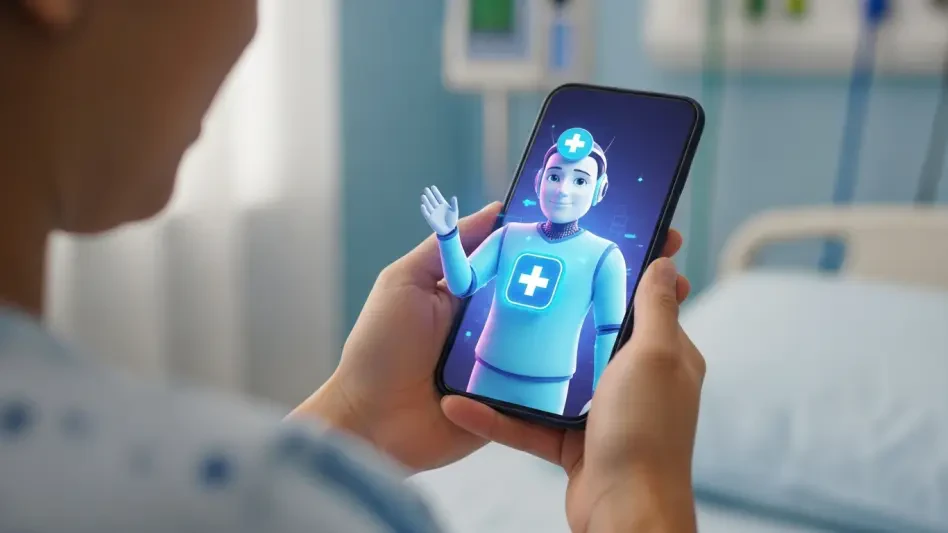

The long-standing challenge of navigating a disconnected healthcare system may have met its most technologically advanced adversary with the launch of Amazon’s Health AI assistant for One Medical members. This review explores the evolution of this personalized AI, its key features and strategic differentiators, the competitive landscape, and the critical safety measures implemented. The purpose of this review is to provide a thorough understanding of this technology, its current capabilities, and its potential future development in reshaping the consumer health experience.
An Introduction to Amazon’s Integrated Health AI
Amazon’s new Health AI assistant is a tool designed to function as a comprehensive first point of contact for One Medical members. Launched within the One Medical mobile app, it leverages generative AI integrated with personal health records to address the fragmentation of the U.S. healthcare system. This tool is not merely another informational chatbot; it represents a dedicated effort to create a single, intelligent gateway for managing personal health.
The emergence of this assistant places Amazon in direct competition with other major technology firms, highlighting a major trend toward AI-driven personal health management. By embedding this functionality directly into its primary care service, Amazon signals a strategic intent to move beyond generic wellness apps and into the core of patient care coordination and delivery.
Core Functionalities and Strategic Advantages
Tailored Health Guidance from Integrated Medical Records
The assistant’s primary function is to provide personalized answers to health questions by securely accessing a user’s complete One Medical health history. This deep integration allows for guidance on symptoms and potential treatments that is directly relevant to an individual’s specific conditions and medical background. This approach marks a significant departure from generic health information chatbots, which operate without the benefit of a user’s personal health context.
Consequently, the advice provided is substantially more nuanced. Instead of offering broad possibilities, the AI can consider existing diagnoses, allergies, and medications when formulating a response. This capability transforms it from a simple information retrieval tool into a personalized health resource, aiming to provide more accurate and relevant support for day-to-day health concerns.
Streamlined Administrative and Care Navigation Tools
Beyond providing medical information, the AI is designed to simplify the patient experience by handling logistical tasks that often cause friction. It enables users to book appointments, manage existing prescription renewals, and navigate their care options more efficiently. These features address common pain points in healthcare administration, automating processes that traditionally require phone calls or navigating complex patient portals.
Furthermore, the system delivers intelligent recommendations on the most appropriate care setting—such as a virtual consultation versus an in-person visit—based on a user’s stated needs and health history. This care navigation function helps direct patients to the right level of care at the right time, potentially improving outcomes and optimizing the use of healthcare resources for both the patient and the provider.
A Unified Ecosystem as a Competitive Differentiator
Amazon’s core strategic advantage is the tool’s deep integration within the One Medical ecosystem. By automatically drawing from a single, trusted source of comprehensive health records, it eliminates the need for users to manually input or connect fragmented data from multiple providers. This seamless access to a patient’s complete health puzzle is what Amazon believes will set its offering apart.
This unified approach aims to provide a more holistic and complete picture of an individual’s health. For the user, this means the AI assistant can understand their health journey over time, recognizing patterns and considering historical data in its responses. This integrated model positions the tool not just as a reactive question-and-answer service but as a proactive partner in managing long-term health.
The Evolving Market and Competitive Landscape
Amazon’s entry into this space is a strategic response to the rapid integration of advanced AI into consumer healthcare, a field with demonstrated high demand. Recent data reveals a massive appetite for accessible health information, with reports showing tens of millions of people using general AI models for health-related queries daily. This existing user behavior validates the market for a more specialized and reliable tool.
The launch follows recent initiatives from competitors, positioning Amazon within a dynamic and increasingly crowded market. OpenAI recently unveiled its dedicated health information chatbot, ChatGPT Health, and the firm Anthropic introduced a suite of healthcare AI tools designed for personal medical data analysis. These developments indicate a clear industry-wide race to define the future of AI-powered personal health.
Real-World Application Within the One Medical Framework
The practical deployment of the technology for One Medical members is best understood through its specific use cases. The system is designed to provide context-aware recommendations that go beyond simple symptom checking. For instance, a user with a documented history of recurring UTIs who queries new symptoms would be advised to seek an in-person visit for proper evaluation, a more cautious and clinically appropriate response than a generic suggestion for virtual care.
Another key application involves complex interaction analysis. If a user asks about taking a new supplement, the AI can cross-reference their current prescriptions, recent lab results, and known health conditions. If it detects a potential for adverse interactions or other complexities, the query is automatically flagged and escalated for a clinician’s review, adding a critical layer of oversight.
Navigating Patient Safety Risks and Implemented Guardrails
The use of AI in healthcare presents significant challenges, particularly the potential for models to “hallucinate” or provide inaccurate information. This risk has been highlighted by patient safety organizations like ECRI, which named the misuse of AI chatbots a top health technology hazard. Inaccurate diagnoses or incorrect treatment suggestions from an AI could have serious consequences, making robust safety protocols non-negotiable.
To mitigate these risks, Amazon has implemented specific safety protocols designed to ensure the technology augments rather than replaces professional medical judgment. Key guardrails include clinical escalation protocols that automatically route complex or high-risk cases to a human provider. Additionally, prominent disclaimers remind users that the AI can make mistakes and is not a substitute for professional advice, while robust privacy controls, including data encryption and user control over their permanent health records, protect sensitive information.
Future Outlook for Integrated Health AI
The overarching goal for this technology is to create a more cohesive, user-friendly, and proactive healthcare experience. As the AI models become more sophisticated, future developments may include more advanced predictive capabilities, such as identifying individuals at risk for certain conditions based on their health data and suggesting preventative actions. Deeper integration with other health and wellness services, from fitness trackers to pharmacy services, could also provide a more comprehensive view of a user’s well-being.
The long-term impact of such integrated AI could involve setting new industry standards for digital health. By demonstrating the value of a unified health record accessible through an intelligent interface, this model could fundamentally change how patients manage their health and interact with providers, shifting the paradigm from reactive care to continuous, proactive health management.
Summary and Final Assessment
Amazon’s Health AI assistant marks a pivotal step in digital health, leveraging its vast ecosystem to address clear consumer demand and systemic fragmentation. The technology’s strength lies in its ability to provide personalized, context-aware guidance by drawing directly from a patient’s integrated medical records—a significant advantage over generic AI tools.
While the technology holds immense promise for simplifying healthcare navigation and empowering patients, its ultimate success depends on its ability to consistently maintain accuracy, ensure patient safety, and build user trust. The implementation of extensive, transparent safety guardrails is a critical and acknowledged foundation for this initiative, setting a precedent for responsible innovation in the rapidly evolving field of consumer health AI.