
The continued existence of a disease that possesses a clear and effective prevention strategy presents one of the most profound and unsettling paradoxes in modern public health. Every year, a preventable illness claims the lives of hundreds, a somber reality that persists not due to a lack of medical solutions, but a gap in their application. This guide serves to illuminate the straightforward path toward eliminating cervical cancer, a disease that should no longer be a fatal diagnosis in the 21st century.
This exploration will detail the disconnect between the powerful tools available—namely vaccination and screening—and the level of public engagement required to make them effective. In the Czech Republic, where over 200 women die annually from this disease, the crisis is not one of science but of participation. The ultimate takeaway is a message of empowerment: cervical cancer can be virtually eradicated, but achieving this goal depends on a collective and informed commitment to the preventive measures outlined here.
A Solvable Crisis: The Unnecessary Toll of Cervical Cancer
In a nation with advanced healthcare, the loss of life to a largely preventable cancer is a stark contradiction. Annually, the Czech Republic records nearly 760 new cases of cervical cancer, with a significant number of these diagnoses resulting in death. This outcome is particularly tragic because the medical community possesses a clear and proven strategy to stop this disease long before it becomes life-threatening. The core of the issue lies not in a medical mystery, but in the underutilization of existing preventive health programs.
This guide focuses on bridging that critical gap between available medical interventions and public action. It will examine the two fundamental pillars of prevention—vaccination against the human papillomavirus (HPV) and regular gynecological screening—and provide a clear roadmap for individuals and families to protect themselves. The objective is to demystify the process and highlight the simplicity and accessibility of these lifesaving measures.
The central thesis is an optimistic yet urgent one: cervical cancer can be transformed from a common threat into a rare disease. This transformation, however, is not automatic. It requires a conscious, collective effort from the public to embrace the tools that science has provided. By understanding the cause of the disease and the steps to prevent it, every person can contribute to a future where deaths from cervical cancer are a relic of the past.
The Silent Culprit: How HPV Drives a Spectrum of Cancers
The primary cause behind nearly all cases of cervical cancer is the human papillomavirus (HPV), an exceedingly common infection. It is so widespread that it is estimated to affect up to 80% of the sexually active population at some point in their lives. For the vast majority, an HPV infection is asymptomatic and resolves on its own without any long-term consequences, cleared by a healthy immune system within a year or two.
However, the danger arises when certain high-risk strains of the virus establish a persistent infection. These specific types of HPV can cause abnormal changes in the cells of the cervix, leading to the development of precancerous lesions. If left undetected and untreated over many years, these lesions can progress into invasive cervical cancer. This slow, multi-stage process is precisely what makes the disease so preventable; there is a long window of opportunity to intervene before cancer develops.
Furthermore, the impact of HPV is not limited to cervical cancer. The virus is a known cause of a growing number of other malignancies that affect both men and women. These include cancers of the anus, genitals (vulva, vagina, and penis), and oropharynx (the back of the throat, including the base of the tongue and tonsils). The rising incidence of head-and-neck cancers, particularly in men, is increasingly linked to HPV, underscoring that the virus is a significant public health issue that transcends gender.
The Path to Prevention: A Comprehensive Strategy
Step 1: Primary Prevention Through HPV Vaccination
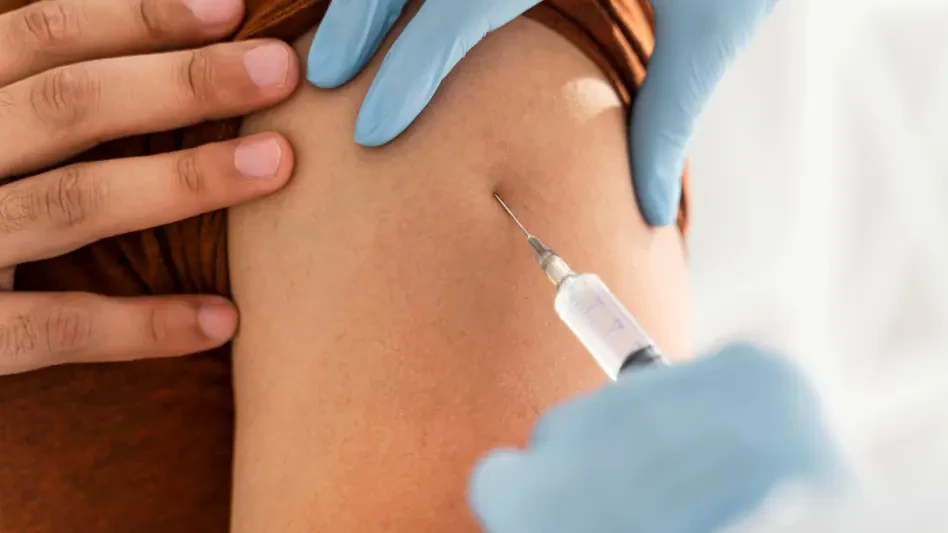
The first and most proactive step in this comprehensive strategy is primary prevention through vaccination. The HPV vaccine is a safe, effective, and extensively tested medical innovation that provides robust protection against the specific high-risk HPV types responsible for the vast majority of cervical and other related cancers. By preventing the initial infection, the vaccine stops the disease process before it can even begin, offering a powerful shield against future illness.
In the Czech Republic, this essential preventive tool is made highly accessible through the public health system. The national program ensures that the HPV vaccine is fully covered by health insurance for all girls and boys between the ages of 11 and 15. This policy removes financial barriers and encourages widespread uptake during the optimal age window, positioning vaccination as the foundational element in the national effort to eliminate HPV-related diseases.
The Power of Early Protection: Why Vaccinating Before Sexual Debut is Crucial
The timing of HPV vaccination is critical to its effectiveness. The vaccine is designed to be prophylactic, meaning it prevents new infections but does not treat existing ones. Therefore, for maximum benefit, it should be administered before an individual is first exposed to the virus through sexual activity. This is why the recommended age for vaccination is between 11 and 15 years old.
Administering the vaccine during this pre-adolescent window ensures that the body has time to build a strong immune response well before potential exposure. This proactive approach provides the most comprehensive protection against the targeted HPV strains. Delaying vaccination until after sexual debut may reduce its efficacy, as the individual may have already been exposed to one or more HPV types, making early immunization a cornerstone of effective cancer prevention.
A Shield for All: The Importance of Vaccinating Boys to Achieve Herd Immunity
Including boys in national HPV vaccination programs is a crucial public health strategy that benefits everyone. Since HPV is transmitted between sexual partners, vaccinating boys helps to break the chain of transmission within the population. This reduces the overall prevalence of the virus, creating a protective effect known as herd immunity, which helps safeguard even those who are not vaccinated.
Moreover, HPV poses direct health risks to men, causing genital warts as well as cancers of the penis, anus, and oropharynx. Vaccinating boys provides them with direct protection against these serious diseases. A gender-neutral vaccination strategy is therefore the most equitable and effective approach, ensuring that both young men and women are shielded from the spectrum of cancers and conditions caused by HPV.
Covered and Accessible: Leveraging Public Health Insurance for Full Protection
The availability of the HPV vaccine at no cost for the target age group is a significant advantage that should be fully utilized. Public health insurance in the Czech Republic covers the entire cost of the vaccine for children aged 11 to 15, removing what could otherwise be a substantial financial obstacle for families. This policy reflects a commitment to making cancer prevention a standard and accessible part of routine pediatric care.
Parents and guardians are encouraged to speak with their pediatrician about scheduling the HPV vaccination as part of their child’s regular health check-ups. Taking advantage of this fully funded program is a simple yet profoundly impactful step toward securing a child’s long-term health. It represents one of the most effective investments a parent can make in preventing future disease.
Step 2: Secondary Prevention Through Regular Screening
While vaccination is the primary line of defense, secondary prevention through regular screening is an equally critical component for the adult population. Screening is designed to detect precancerous cellular changes on the cervix, allowing for timely intervention and treatment long before cancer develops. This early detection is the key to preventing cervical cancer in those who were not vaccinated or were exposed to HPV before vaccination became available.
The cornerstone of the screening program in the Czech Republic is the annual gynecological examination. During this visit, a cytology test, commonly known as a Pap smear, is performed to collect cells from the cervix for laboratory analysis. For women at ages 35, 45, and 55, this is supplemented with a specialized HPV DNA test that can detect the presence of high-risk virus types directly. This dual approach ensures a highly accurate and comprehensive screening process.
The overarching goal of this system is to identify and manage abnormalities at their earliest, most treatable stage. When precancerous lesions are found, they can often be removed through simple outpatient procedures, effectively stopping the progression to invasive cancer. Consistent participation in this screening program is one of the most powerful actions a woman can take to protect her health.
Beyond the Pap Smear: The Role of Advanced HPV DNA Testing
The integration of HPV DNA testing into the national screening program marks a significant advancement in cervical cancer prevention. While the traditional Pap smear is effective at identifying abnormal cells, the HPV DNA test goes a step further by detecting the presence of the high-risk virus strains that cause these changes. This allows for a more precise assessment of a woman’s risk.
For women in the designated age groups (35, 45, and 55), the combination of a Pap smear and an HPV DNA test provides a more sensitive and reliable result. A negative result on both tests offers a very high level of reassurance, while a positive HPV test can signal the need for closer monitoring or follow-up, even if cellular changes are not yet visible. This advanced testing enhances the accuracy of screening and helps tailor follow-up care to individual risk profiles.
Consistency is Key: The Lifesaving Habit of Annual Check-ups
The success of any screening program hinges on consistent participation. Making an annual gynecological check-up a non-negotiable part of a personal health routine is a lifesaving habit. Sporadic or infrequent screening can create dangerous gaps in detection, allowing precancerous changes to progress unnoticed. The gradual nature of cervical cancer development means that regular, yearly monitoring is the most effective way to catch abnormalities early.
It is essential to view this annual visit not as an option but as a fundamental component of preventive healthcare. Life gets busy, and it can be easy to postpone appointments, but the consequences of a missed diagnosis are severe. Prioritizing this single appointment each year provides peace of mind and is a powerful act of self-care that dramatically reduces the risk of developing invasive cervical cancer.
An Urgent Warning: The Danger of Neglecting Screening After Age 60
A concerning trend in screening participation is the sharp decline observed among women after the age of 60. This is a critical misunderstanding of risk, as the likelihood of developing cancer does not disappear with age; in fact, it often increases. The assumption that screening is no longer necessary can have devastating consequences, as cancers diagnosed at a later stage are often more difficult to treat.
Women should continue to follow their doctor’s recommendations for screening throughout their lives. Even after menopause, the risk of HPV-related cervical changes persists. Neglecting check-ups in later years creates a vulnerable, unscreened population at high risk for advanced disease. Maintaining a consistent screening schedule after age 60 is essential for continued health and protection.
Your Prevention Checklist: Key Takeaways
This guide provides a clear, actionable framework for preventing cervical cancer. The strategy is straightforward and relies on three core actions that individuals and communities can take to protect themselves and their loved ones from this preventable disease.
- Vaccinate: The most effective first step is to ensure that all eligible children, both boys and girls, receive the fully funded HPV vaccine between the ages of 11 and 15. This primary prevention measure protects them before they are ever exposed to the virus.
- Screen: For adults, the key is consistency. Attend annual gynecological check-ups without fail. This includes participating in the standard cytology tests and the specialized HPV DNA tests offered at ages 35, 45, and 55 to detect any issues at the earliest possible stage.
- Advocate: The power of prevention is amplified when shared. Encourage friends, family members, and colleagues to participate in these lifesaving programs. Spreading awareness and normalizing conversations about HPV vaccination and screening helps build a community-wide defense against cancer.
From Strategy to Reality: The National Push for Elimination
Despite the clear benefits of prevention, the primary obstacle remains insufficient public participation. Current data reveals that the annual screening rate for women in the target demographic is only around 60%. Although this figure rises to 80% when measured over a three-year period, it still leaves a high-risk group of 20% completely unscreened, creating a significant vulnerability within the population.
To address this challenge, Czech health authorities have launched targeted public health initiatives. Awareness campaigns like “Show Cancer the Back” are designed to educate the public, destigmatize the screening process, and motivate more women to schedule their annual check-ups. These efforts are crucial for closing the gap between the availability of screening and its actual use by those who need it most.
Looking ahead, the National Vaccination Strategy aims to build on these efforts by developing a comprehensive plan to reduce all HPV-related diseases. The ultimate ambition is to follow the path of countries like Sweden, which are now on the verge of eliminating cervical cancer as a public health problem. This goal is entirely achievable, but it hinges on raising both vaccination and screening rates to consistently high levels across the country.
Taking Control: Your Role in a Cancer-Free Future
The continued deaths from cervical cancer were preventable tragedies fueled by inaction rather than a lack of medical knowledge. The science is clear, the tools are available, and the path to prevention is well-defined. Every case of this disease that progresses to a late stage represents a missed opportunity for intervention—a missed vaccination, a postponed screening, or a conversation that never happened.
The solution, therefore, rests on a foundation of personal responsibility and collective action. By embracing the preventive medicine available today, individuals took direct control over their health and the health of their families. Scheduling a vaccination for an eligible child or committing to an annual screening appointment were simple yet profoundly powerful acts that contributed to a larger, life-affirming goal.
By embracing these strategies, a future where no one dies from this preventable disease was made possible. The power to eliminate cervical cancer did not belong to clinics and laboratories alone; it was a shared responsibility. Through informed choices and consistent action, a community worked together to turn a modern medical tragedy into a historic public health achievement.