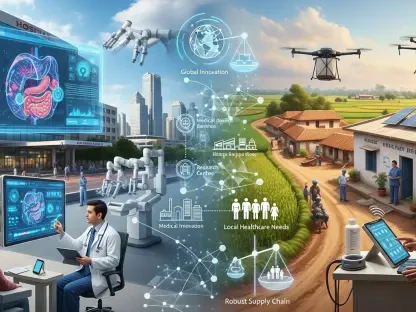

This evolution marks a transition from voluntary benefits toward integrated ecosystems that prioritize clinical outcomes over simple participation rates. As firms seek to mitigate rising costs, the convergence of behavioral science and digital infrastructure has become the standard for modern healthcare.
Scaling the Global Impact of Integrated Health and Wellness Ecosystems
The corporate wellness landscape currently operates under a mandate for accountability, where digital platforms must produce tangible results. Vitality’s acquisition of Ramp Health signifies a broader industry shift toward consolidation, aimed at unifying disparate services into a singular health technology ecosystem.
By integrating behavioral science with clinical reach, stakeholders are addressing the complexities of global health with greater precision. This strategic alignment allows for the scaling of physical interventions alongside digital tracking, creating a robust infrastructure for workplace safety and employee longevity.
Transforming the Market Through Behavioral Science and Clinical Data
Emerging Trends in Digital Health Consolidation and Hybrid Care Models
Market leaders are transitioning toward outcomes-focused models that pair predictive analytics with physical touchpoints. This hybrid approach uses AI-driven coaching to bridge the gap between virtual tracking and clinical intervention, ensuring that high-stakes sectors maintain safety and health simultaneously.
Such models allow for a more seamless transition between preventative care and active treatment. By blending sophisticated data with human-led clinical support, organizations can effectively manage chronic conditions while reducing the administrative burden on internal HR departments.
Market Projections and the Valuation of Total Population Health Management
Current projections suggest a significant growth trajectory for firms that provide unified health platforms. Data-driven forecasts highlight that workplace safety protocols and behavioral health mandates are becoming inseparable components of total population health.
Companies utilizing these integrated systems show improved performance indicators compared to fragmented models. The market valuation of these firms reflects the high demand for comprehensive risk mitigation strategies that protect both employee well-being and corporate assets.
Navigating the Complexities of Scaling Clinical Services and Tech Integration
Merging digital health tracking with legacy clinical infrastructure presents technical friction that requires sophisticated management. Maintaining data integrity while ensuring user engagement across diverse demographics often leads to “wellness fatigue,” which necessitates a more personalized touch.
To counter this, firms are implementing AI-enhanced human coaching that scales virtual care while managing the logistical rigor of medical screenings. This balance ensures that technology serves as a facilitator rather than a barrier to meaningful health improvements.
The Regulatory Landscape of Workplace Safety and Health Data Privacy
Navigating the intersection of HIPAA and international standards remains a primary concern for integrated platforms. Compliance for clinical screenings involves strict adherence to evolving safety protocols and government mandates that vary significantly across different regions.
As virtual coaching combines with medical data, security measures must evolve to protect sensitive information across global borders. Robust encryption and transparent data policies are essential for maintaining the trust required for high-engagement wellness programs.
The Future of Work: AI-Driven Prevention and Seamless Health Experiences
The next evolution involves hybrid models where AI predicts health risks before escalation into acute crises. Niche tech acquisitions allow corporations to diversify capabilities and meet labor market demands for sustainable employee health and mental wellness.
These seamless ecosystems will likely become the standard, fostering a culture where health is proactive. By automating the identification of risks, corporations can offer targeted interventions that significantly improve the long-term health of a multinational workforce.
Strengthening the Value Proposition for Long-Term Corporate Health Investment
Vitality’s acquisition of Ramp Health solidified its position by creating an accountable framework for health outcomes. Stakeholders recognized that investing in tech-enabled clinical services was essential for managing long-term liabilities and ensuring operational continuity.
This merger proved that combining behavioral science and workplace safety provided the holistic solution required for a sustainable workforce. Moving forward, the emphasis shifted toward unified platforms that delivered verifiable improvements in public and private health indicators.