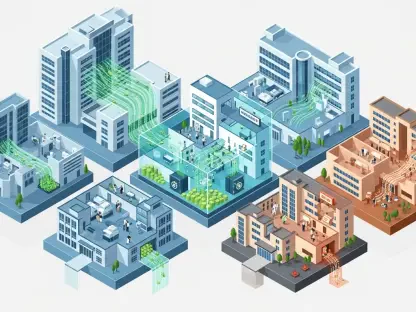

Geographic location often dictates life expectancy in the United States, creating a systemic imbalance that penalizes patients based solely on the proximity of their residence to a metropolitan center. This disparity creates a significant rift between well-funded urban medical centers and struggling rural or specialized pediatric facilities. Bridging this gap requires more than just financial investment; it necessitates a robust framework for cross-institutional knowledge sharing. By synthesizing collective expertise, healthcare providers can ensure that clinical excellence becomes a universal standard rather than a metropolitan privilege. This guide outlines how decentralized innovation and shared resources serve as the cornerstone for leveling the playing field in modern medicine.
Why Collaborative Knowledge Sharing is Essential
Adopting a collaborative model is no longer optional for the survival of the American rural healthcare infrastructure. As facilities face mounting pressures, the systematic exchange of information offers a pathway toward operational stability and clinical safety. The isolation of rural practice often leads to a decay in specialized skills when complex procedures are performed infrequently.
Enhancing Clinical Safety and Operational Efficiency
Following knowledge-sharing best practices allows smaller institutions to maintain high standards despite low patient volumes. When clinicians have immediate access to updated protocols, the margin for error decreases significantly. These digital repositories act as a real-time consultant, providing clarity during high-pressure medical events.
Furthermore, these networks provide substantial cost savings by reducing the need for expensive, centralized training programs. By minimizing the financial risks associated with medical errors and non-compliance, facilities can redirect funds toward equipment and patient outreach. Efficiency gains occur when localized teams no longer need to reinvent administrative processes that larger systems have already perfected.
Mitigating Workforce Burnout and Turnover
Staff retention is a critical benefit of resource-sharing networks. By providing frontline workers with a knowledge safety net, hospitals can reduce the acute stress associated with high-stakes, low-frequency procedures. This support structure makes rural medicine more attractive to new graduates who might otherwise fear the professional isolation of remote practice.
When medical professionals feel supported by a broader network of expertise, their confidence increases, leading to a more stable work environment and a significant reduction in burnout. A culture of shared learning transforms the workplace from a silo into a connected community. This shift is vital for maintaining a consistent workforce in areas where recruitment remains historically difficult.
Actionable Strategies for Bridging the Healthcare Gap
To effectively close the resource divide, healthcare leaders must implement structured, technology-driven strategies that democratize medical expertise across geographic boundaries. This transition requires a shift in mindset from competition to radical cooperation between independent entities.
Implementing Microlearning and On-Demand Clinical Resources
The first step in bridging the gap is the adoption of microlearning tools that provide just-in-time training for clinicians. Instead of traditional, time-consuming seminars, these resources offer concise, actionable instructions that staff can access immediately before performing complex procedures. This ensures that even in low-volume facilities, the workforce remains proficient and updated on the latest medical standards.
A network of rural hospitals recently implemented a digital microlearning platform that allowed nursing staff to review specialized pediatric intubation protocols via tablet devices. This initiative resulted in a measurable increase in procedure success rates and decreased the need for emergency patient transfers to urban centers. Such outcomes proved that localized expertise can be augmented through shared digital assets, keeping care close to home for vulnerable populations.
Establishing Institutionalized Resource-Sharing Networks
The second best practice involves moving beyond informal collaboration toward institutionalized networks. This requires the creation of formal partnerships between high-volume urban teaching hospitals and rural clinics. By utilizing cloud-based platforms to share specialized clinical pathways and operational data, smaller facilities can level up their service offerings to match those of top-tier metropolitan institutions.
During recent health crises, a coalition of independent healthcare providers established a real-time information exchange to share ventilator management strategies. This decentralized approach allowed smaller community hospitals to adopt the same life-saving protocols as major university hospitals within days rather than months. This demonstrated the power of a rising tide philosophy in healthcare delivery where information moves faster than the disease.
Final Evaluation: The Future of Healthcare Equality
The sustainability of the United States healthcare system depended on a radical shift from competition to radical collaboration. While the geographic and financial disparities between rural and urban centers were deeply rooted, they were not insurmountable through targeted intervention. The democratization of knowledge through technology-enabled networks offered the most scalable and cost-effective solution to the modern crisis.
Rural hospital administrators and pediatric facility leaders prioritized investments in IT infrastructure that supported knowledge-sharing to align with federal funding priorities. These efforts ensured that any institution facing staff shortages or budget constraints could remain strategic and viable. Ultimately, the synthesis of shared expertise created a resilient, competent, and equitable healthcare landscape for all patients regardless of their specific location.