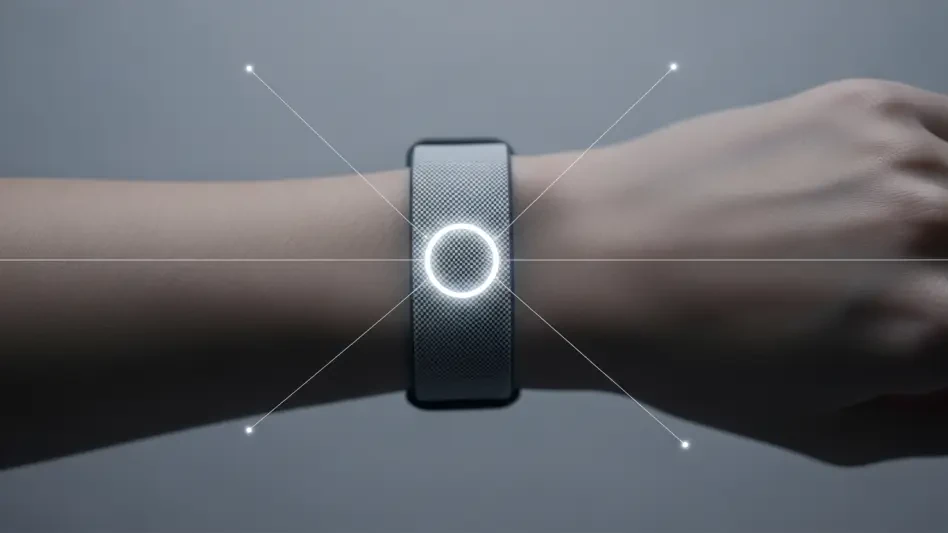

The traditional image of a hospital as the primary site of medical intervention is rapidly fading as sophisticated mobile technologies transform private residences into diagnostic hubs. This fundamental shift away from centralized, reactive medicine toward a more personal and proactive approach is being driven by the relentless advancement of mobile health, or mHealth. As the current landscape in 2026 demonstrates, smartphones and wearables are no longer peripheral accessories but are essential components of the modern clinical ecosystem. By providing a continuous stream of biometric data, these devices allow for a level of health monitoring that was physically impossible just a few years ago. This evolution ensures that medical care is becoming increasingly equitable, as digital platforms bypass the traditional limitations of geography and socioeconomic status. Instead of waiting for a health crisis to occur, individuals are now equipped with the tools to manage their wellness in real-time, creating a collaborative environment between patients and providers. This transition represents more than just a technological upgrade; it is a profound reimagining of how the human body is monitored, maintained, and treated on a global scale.
Financial Landscape and Market Maturity
Evaluating Growth Trajectories
The financial evolution of the mHealth sector reflects a market that has moved past its initial period of speculative volatility and into a phase of sustained, long-term maturity. Current data indicates that the global valuation of the industry is on a steady upward path, projected to reach approximately $3.18 billion by 2035. This trajectory began from a solid base of $2.61 billion in 2025, maintaining a consistent compound annual growth rate of 1.99%. While this percentage might seem modest compared to the explosive surges seen in emerging tech fields, it actually signals a stabilizing market that is becoming deeply integrated into the permanent infrastructure of the global economy. This controlled growth suggests that mHealth is no longer a “trend” to be chased but a foundational utility that healthcare providers and insurance companies are budgeting for with high levels of confidence and predictability.
Investors and market analysts are increasingly focusing on the sustainability of these digital services rather than short-term gains from consumer gadgets. The focus has shifted toward high-utility applications that offer measurable improvements in clinical outcomes, which in turn justifies larger capital expenditures from healthcare systems. By 2035, the financial landscape will likely be dominated by platforms that successfully blend software-as-a-service models with tangible health improvements. This shift toward value-based digital care means that companies are incentivized to keep patients healthy rather than simply increasing the volume of interactions. The steady financial climb is supported by a global commitment to digital transformation, as both developing and developed nations realize that mobile interventions are the most cost-effective way to manage aging populations and the rising prevalence of chronic conditions.
The Shift Toward Proactive Care
A significant portion of the current market value is being driven by a fundamental change in how individuals interact with their own health data on a daily basis. Currently, more than 60% of smartphone users globally engage with at least one health-related application, marking a major departure from the era of passive medical management. Users are no longer content to wait for an annual check-up to understand their physical state; instead, they are using mobile tools to track everything from sleep patterns to glucose levels in real-time. This behavioral shift creates a massive demand for more sophisticated apps that can interpret this data and provide actionable insights. As this consumer demand grows, it encourages further innovation in the private sector, resulting in a feedback loop that continues to enhance the capabilities of standard mobile devices for medical use.
Institutional adoption is equally robust, with over 65% of healthcare organizations now utilizing mobile platforms to maintain engagement with their patient populations. This level of buy-in from major medical facilities and hospital networks ensures that digital tools are viewed as a requirement for modern clinical practice rather than an optional luxury. Remote patient monitoring has become a cornerstone of this movement, currently supported by nearly 58% of healthcare providers across various specialties. This technology significantly reduces the physical burden on hospitals by allowing patients with stable chronic conditions to be monitored safely from their homes. By shifting the venue of care from the clinical setting to the domestic environment, mHealth platforms are helping to solve the persistent problem of hospital overcrowding while simultaneously improving the quality of life for patients.
Drivers of Digital Transformation
Accessibility and Consumer Preferences
The primary catalyst for the continued expansion of the mHealth market is the unprecedented global penetration of high-speed internet and smartphone technology. With mobile connectivity reaching even the most remote and traditionally underserved corners of the world, the basic infrastructure required for digital health delivery is now virtually universal. This level of access has democratized high-quality medical information, allowing individuals in rural or developing areas to consult with specialists located thousands of miles away. The convenience of these digital interactions has fundamentally altered consumer expectations, as patients now demand the same level of digital agility from their doctors that they experience in retail or banking. Consequently, providers who fail to offer mobile communication and data-sharing options risk losing patients to more technologically advanced health networks.
The rise of the wearable ecosystem has further accelerated these trends, as devices like smartwatches and fitness trackers provide a continuous, non-invasive stream of biometric data. Current surveys suggest that approximately 68% of individuals who own wearable devices actively sync their health information with mobile apps to monitor their daily physical progress and long-term trends. This integration of hardware and software has fostered a growing global awareness regarding preventive healthcare, where the primary objective is to identify potential health issues before they escalate into emergencies. Metrics such as resting heart rate, nutritional intake, and oxygen saturation are now monitored by over half of the user base to maintain wellness. This proactive mindset is essential for reducing the global burden of lifestyle-related diseases, as it empowers the individual to make small, data-driven adjustments to their behavior every day.
The Institutional Push for Engagement
In developed markets like the United States, the institutional push toward digital engagement has reached a critical mass, with 72% of healthcare providers now utilizing mobile tools for follow-up care and routine management. This transition to digital-first communication has become the new standard for patient-physician interactions, replacing antiquated systems like phone tag or traditional mail. Medical institutions are finding that mobile platforms significantly improve patient compliance, as automated reminders and easy-to-access health records make it simpler for individuals to follow treatment plans. Moreover, the ability to transmit data directly from a home monitoring device to a physician’s office allows for more frequent and more accurate adjustments to medication and therapy. This level of connectivity ensures that the relationship between the provider and the patient is continuous rather than episodic.
Furthermore, the data generated by mHealth platforms is becoming an invaluable asset for population health management and large-scale clinical research. Insurance providers are increasingly using these metrics to offer wellness incentives, such as lower premiums for users who meet certain physical activity goals or maintain healthy biometric markers. This alignment of financial incentives with health outcomes is creating a more efficient healthcare economy where prevention is prioritized over expensive, late-stage interventions. As healthcare organizations continue to see the cost-saving benefits of mobile health tools, they are investing more heavily in their own proprietary apps and integrated platforms. This institutional backing provides a level of security and clinical validation that encourages even the most skeptical patients to adopt digital health solutions as part of their standard medical routine.
Barriers to Seamless Integration
Cybersecurity and Operational Challenges
Despite the undeniable advantages of mobile health integration, the industry continues to face significant headwinds, particularly regarding the protection of sensitive personal information. Nearly 46% of healthcare organizations currently cite data security as their primary concern when implementing or expanding mobile solutions, reflecting the high stakes involved in medical record keeping. As healthcare data is highly valuable on the black market, mHealth platforms are frequent targets for sophisticated cyberattacks and ransomware. This constant threat of data breaches creates a pervasive “trust gap” that can prevent patients from being fully transparent or engaging with digital tools. Developers are under immense pressure to implement the most advanced encryption standards and multi-factor authentication protocols to ensure that patient privacy is never compromised in the pursuit of convenience.
Technical interoperability remains another major hurdle that prevents the industry from reaching its full potential, as disparate systems often fail to communicate effectively with one another. Currently, nearly half of the industry struggles with the task of unifying digital silos, which include hospital electronic health records, insurance databases, and various consumer health apps. Without a standardized language for data exchange, a patient’s health information can become fragmented, leading to a disorganized and potentially dangerous medical history. For mHealth to truly redefine global healthcare by 2035, there must be a concerted effort to establish universal standards that allow data to flow seamlessly and securely between different platforms. Overcoming these operational silos requires not just technological innovation, but a high level of cooperation between competing tech firms and healthcare organizations.
Regulatory Hurdles and Compliance
The complex landscape of global regulations poses a significant challenge for the rapid deployment of innovative mHealth technologies across different borders. In the United States, strict adherence to the Health Insurance Portability and Accountability Act (HIPAA) is required for any tool that handles patient data, while developers in Europe must navigate the rigorous requirements of the General Data Protection Regulation (GDPR). Staying compliant with these varying sets of laws requires a massive financial investment and specialized legal expertise, which can often slow down the launch of new products or prevent smaller startups from entering the market. Furthermore, as technology advances faster than legislation, there is often a lack of clear guidance on how to regulate emerging tools like AI-driven diagnostics or wearable sensors that monitor blood chemistry.
Beyond data privacy, there are also significant questions regarding the legal liability of medical decisions made with the assistance of mobile apps. If an algorithm provides a recommendation that leads to an adverse outcome, determining responsibility remains a complex legal gray area that has yet to be fully resolved in many jurisdictions. This uncertainty can make some healthcare providers hesitant to fully embrace digital diagnostics, fearing that their professional licenses could be at risk if the technology fails. To address these concerns, many countries are working toward creating more flexible regulatory frameworks that encourage innovation while still maintaining high standards for patient safety. However, the process of harmonizing these regulations globally is a slow and arduous task that remains one of the primary obstacles to achieving a truly unified international mHealth ecosystem.
Technological Engines of Change
Artificial Intelligence and Cloud Systems
Artificial Intelligence is currently the most significant technological driver within the mHealth space, with roughly 67% of the market moving toward deeper AI integration into their mobile platforms. These advanced algorithms are capable of processing vast amounts of raw biometric data much faster and more accurately than a human clinician ever could. In the current 2026 landscape, AI is being used for everything from preliminary symptom assessment to predictive analytics that can anticipate a health crisis, such as a heart attack or a diabetic emergency, hours before symptoms become apparent. By identifying these subtle patterns in a patient’s data, AI allows for truly personalized medicine where interventions are tailored to the specific needs and biological markers of the individual, rather than relying on general population averages.
Cloud connectivity is equally vital to this technological evolution, as more than 60% of current mHealth solutions rely on cloud infrastructure for real-time data storage and sharing. This infrastructure ensures that a patient’s medical team has instant access to the most current information, regardless of whether the patient is at home, at work, or traveling abroad. The cloud also facilitates the massive data processing power required by AI algorithms, allowing complex calculations to be performed on remote servers rather than draining the battery and processing power of a user’s handheld device. As high-speed 5G and satellite internet become even more widespread, the latency associated with cloud interactions will continue to drop, making real-time remote surgery and high-definition virtual consultations a routine part of the healthcare experience.
Advanced Authentication and Data Security
To combat the persistent threat of cybercrime and to build user confidence, the latest mHealth platforms are increasingly adopting advanced biometric authentication measures. Moving beyond simple passwords, many new applications now utilize facial recognition, fingerprint scanning, and even iris detection to ensure that only authorized individuals can access sensitive medical data. These multi-layered security protocols are designed to protect patient records even if a physical device is lost or stolen. Additionally, the use of blockchain technology is being explored as a way to create immutable, transparent logs of every time a piece of medical data is accessed or shared. This provides patients with a clear audit trail and greater control over who has permission to view their private health history, fostering a sense of ownership and security.
The integration of edge computing is another significant trend that enhances both security and performance by processing data locally on the device before it is ever sent to the cloud. By minimizing the amount of sensitive information that needs to reside on external servers, developers can reduce the potential “attack surface” for hackers while also improving the speed of the application. This is particularly important for real-time monitoring tools, such as wearable defibrillators or insulin pumps, where even a few seconds of lag could be life-threatening. As these security technologies continue to mature, they will become more invisible to the end-user, providing a seamless and safe experience that encourages wider adoption among older populations or those who are generally less tech-savvy. The goal is to reach a point where digital security is as intuitive and reliable as the medical care itself.
Segmentation and Geographic Reach
Analyzing Users and Market Types
The mHealth market is currently split into two primary segments: mobile applications and digital health services, with apps currently generating the majority of the revenue. These applications encompass a vast array of functions, ranging from simple fitness and nutrition tracking to complex systems designed for the management of chronic conditions like hypertension and asthma. While many apps are aimed directly at consumers, there is a growing niche for professional-grade applications that are specifically designed for clinicians to use in a hospital setting. These tools allow doctors to access lab results, update patient charts, and communicate with colleagues more efficiently, thereby reducing the administrative burden that often leads to physician burnout. This diverse range of products ensures that mHealth can address the needs of every stakeholder in the healthcare continuum.
While patients remain the largest group of end-users by volume, there is significant and rapid growth among secondary groups such as insurance vendors and large-scale employers. Insurers are finding that by providing their policyholders with mHealth tools, they can significantly reduce the long-term costs associated with chronic disease management and emergency room visits. Similarly, large corporations are implementing mobile wellness programs as a way to improve employee productivity and reduce absenteeism related to preventable health issues. This expanding user base indicates that mHealth is moving beyond the clinical sphere and becoming an integral part of corporate and financial strategies. As these non-traditional stakeholders continue to invest in the market, they are driving the development of more specialized tools that focus on mental health, corporate wellness, and long-term geriatric care.
Regional Leaders and Emerging Markets
North America currently maintains the largest share of the global mHealth market, with a valuation exceeding $1 billion, largely due to its advanced technological infrastructure and high rates of smartphone ownership. The region is home to many of the world’s leading tech giants and medical device manufacturers, creating a unique environment where software and hardware innovation can happen simultaneously. Furthermore, the presence of a well-funded healthcare system and a strong emphasis on research and development ensures that North America remains at the forefront of digital health implementation. However, the market in this region is also highly competitive and heavily regulated, which requires companies to maintain a high level of clinical validation and data security to remain successful in a crowded marketplace.
In contrast, the Asia-Pacific region is identified as the fastest-growing area for mHealth, where mobile technology is being used as a primary tool to bridge the massive gap in healthcare access. In countries like India, China, and Indonesia, mobile applications are often the only way that rural populations can receive medical consultations or prescriptions without traveling for days to reach a physical clinic. The rapid expansion of affordable smartphones and regional internet initiatives has made it possible for millions of people to enter the modern healthcare system for the first time. Governments in these regions are actively encouraging the adoption of mHealth to alleviate the pressure on their overburdened public health facilities. This unique regional dynamic is fostering a wave of innovation focused on low-cost, high-impact digital solutions that could eventually be exported back to Western markets.
The Road to 2035
Future Innovations and Standardization
As the industry moves closer to 2035, the distinction between “digital health” and “traditional health” will likely disappear entirely as mobile tools become a standard, mandatory requirement for every medical provider. The next decade will likely see the widespread adoption of voice-enabled medical assistance, where highly sophisticated AI can conduct preliminary triage and answer complex patient questions through natural conversation. These systems will be able to detect subtle changes in a person’s voice that might indicate the onset of depression, respiratory distress, or neurological decline, providing an even earlier warning system for potential health issues. Furthermore, the development of non-invasive biometric sensors will allow for the continuous monitoring of blood chemistry and hormonal balance without the need for traditional needle-based blood tests, making health tracking entirely painless.
The ultimate vision for the next ten years is the achievement of true global interoperability, where a person’s complete medical history can follow them securely across international borders via their smartphone. This would create a unified global health system that is not limited by the administrative boundaries of individual nations or insurance providers. To reach this goal, international health organizations and tech companies will need to finalize universal standards for data structure and encryption that ensure both privacy and ease of access. As these standards are implemented, the smartphone will officially become the primary interface for every medical interaction, from the first symptom check to the final treatment follow-up. This level of integration will transform the global health experience into something that is continuous, personalized, and universally accessible to all people.
Actionable Strategies: Forging a Unified Health Ecosystem
The successful integration of mHealth into the global landscape required a multifaceted approach that addressed both technical and human challenges. Stakeholders discovered that focusing solely on technological prowess was insufficient; instead, they had to prioritize the user experience and cultural acceptance of digital diagnostics. Providers learned to emphasize the security of these platforms to overcome initial patient hesitation, ensuring that trust became the bedrock of the digital relationship. By 2035, the most effective organizations were those that treated mobile health not as a separate department, but as the central nervous system of their entire clinical operation. This strategy allowed for a more efficient allocation of resources, where physical hospital space was reserved for acute cases while chronic management was handled entirely through remote, mobile-first channels.
Moving forward, the industry found that establishing clear international protocols for data exchange was the single most important factor in achieving global equity. Governments and private entities that invested early in standardized API mandates saw much faster rates of innovation and lower costs for end-users. These collaborative efforts paved the way for a health ecosystem that was resilient, adaptable, and capable of responding to global health crises with unprecedented speed. The journey toward 2035 revealed that when technology is used to empower the individual rather than just monitor them, the overall quality of global wellness improves dramatically. Future considerations must now focus on maintaining this momentum by ensuring that the next generation of medical professionals is trained to be as proficient with data analytics as they are with traditional clinical procedures.