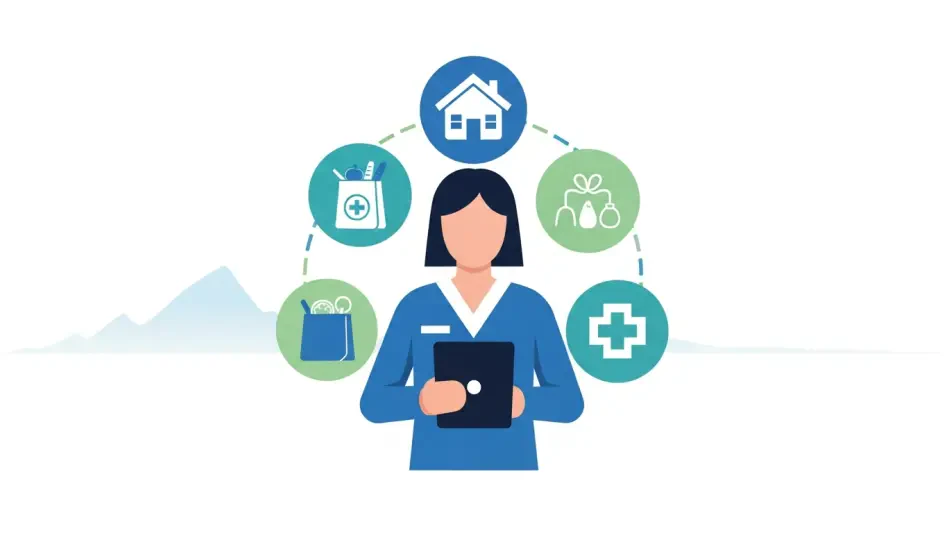

The healthcare landscape in the Appalachian Highlands is undergoing a profound transformation as traditional hospital-based models give way to integrated community health initiatives that prioritize the social determinants of wellness. This shift is exemplified by the recent achievement of state accreditation for several community health worker programs, a recognition awarded by the Tennessee Community Health Worker Association in collaboration with the National Committee for Quality Assurance. By moving beyond the sterile environment of the clinic, the organization is effectively addressing the underlying social issues that frequently impede long-term patient recovery and overall physical stability. This strategy represents a significant departure from reactive medical treatments, opting instead for a proactive framework where health professionals actively enter neighborhoods to provide support. This philosophy acknowledges that medical plans are only as effective as the environment in which they are implemented, recognizing that without food or housing, recovery is nearly impossible to sustain over time.
Bridging the Healthcare Divide: Clinical Care and Social Stability
Specialized Programs: Targeting Diverse Community Needs
To address the specific challenges of the region, the organization utilizes a multifaceted program structure that targets the root causes of health disparities through tailored, community-based interventions. The Appalachian Highlands Care Network serves as a cornerstone of this effort, assisting the uninsured population by coordinating essential medical and social resources that were previously difficult for marginalized individuals to access. Complementing this is the PEERhelp initiative, which leverages individuals with lived experience to support those struggling with substance use disorders in a way that clinical staff often cannot. This peer-to-peer model builds a unique level of trust, as participants feel understood by someone who has navigated similar life struggles. By integrating these specialized roles, the system ensures that the most vulnerable members of the community are provided with a comprehensive pathway toward stability. This human-centric focus is essential for fostering long-term resilience and creating a reliable safety net for patients.
Human Connection: Building Support Systems Through Outreach
The organization has also implemented the SBIRT program, which focuses on early intervention and screening for addiction to prevent medical crises before they escalate into emergency room visits. For new parents, the Strong Starts program offers vital education and emotional support, ensuring that families have access to critical supplies like formula and diapers during the early stages of child development. These initiatives recognize that health is a continuous process shaped by early childhood experiences and preventative care. By providing these resources directly to families, the program creates a “village” of support for those who lack a traditional personal network. For many participants, these community health workers provide the peace of mind necessary to navigate complex life transitions without the fear of being left behind or isolated. This targeted assistance effectively mitigates the impact of poverty on developmental health and improves the overall well-being of the region by addressing social needs at the source.
Validating Impact: Rigorous Evaluation and Regional Success
Quantifying Results: Statistical Improvements in Patient Outcomes
The effectiveness of these community-based efforts is clearly reflected in regional health data collected during the current period from 2026 to 2028. Recent reports indicate that these initiatives have supported over 40,000 individuals, leading to a notable 28% reduction in preventable hospital stays and a 25% decrease in emergency department visits. These metrics demonstrate that by addressing social needs early, the system successfully redirects patients toward more appropriate and less expensive levels of care. The reduction in emergency room congestion also allows hospital staff to focus their resources on patients with acute, life-threatening conditions, improving overall operational efficiency. This data-driven evidence confirms that investing in social support is not just a moral imperative but a sound clinical strategy that produces measurable improvements in public health. By tracking these outcomes, the organization can continue to refine its methods and target resources where they will have the greatest impact on regional wellness.
Rigorous Standards: Navigating the Path to National Accreditation
The successful pursuit of state accreditation established a new benchmark for how integrated social and medical care operated within the Appalachian Highlands during this era. These initiatives moved the system away from fragmented service delivery and toward a cohesive model that prioritized the holistic needs of every patient. Achieving this recognition required a demanding six-month evaluation process where the organization was measured against 216 evidence-based benchmarks and several core workforce standards. The transition from reactive treatment to proactive wellness support provided actionable proof that addressing social determinants was the most effective way to close the care gap. Leaders recognized that future progress depended on maintaining these high standards while continuing to innovate in the field of community outreach. By formalizing the role of community health workers, the organization ensured that social support became a permanent fixture of the medical landscape, offering a blueprint for other systems to follow.