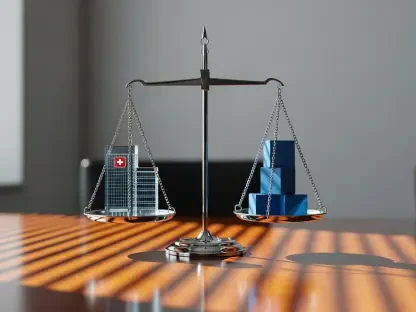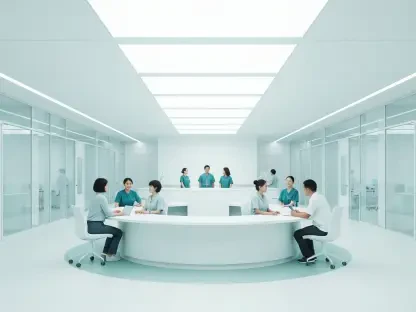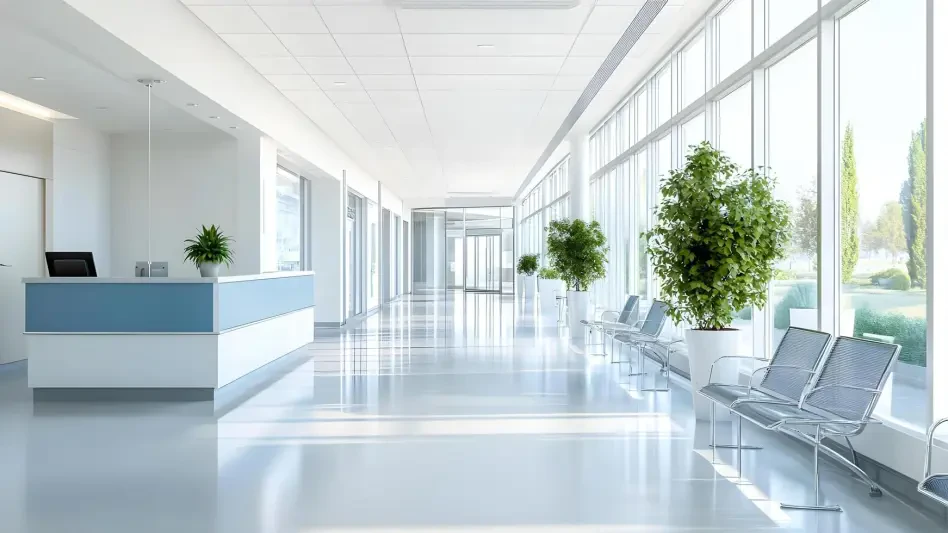

The subtle interplay of light, space, and nature within a hospital’s walls has a more profound impact on patient recovery and staff morale than decades of conventional medical facility planning have ever acknowledged. The quality of healthcare is traditionally measured by the skill of its professionals, the advancement of its technology, and the efficacy of its treatments; however, a growing body of evidence compellingly argues for a fourth, equally critical pillar: the physical environment where care is delivered. The architecture of a hospital is not a passive container for medical activity but an active participant in the healing process, capable of either soothing anxiety and accelerating recovery or inducing stress and hindering it.
This shift in perspective is reshaping the healthcare landscape, particularly in regions like Latin America and the Caribbean, where a significant portion of hospital infrastructure is grappling with the challenges of obsolescence. The prevailing model is evolving from a sterile, function-first approach to one that is holistic, humane, and evidence-based. Organizations such as the Inter-American Development Bank (IDB) are championing this transformation, promoting the understanding that a hospital is a complex ecosystem. It is a place of profound human experience, where strategic design can directly improve patient outcomes, enhance operational efficiency, and support the well-being of the dedicated staff working within its walls.
The Blueprint for Well-being: Redefining the Role of Hospital Infrastructure
For too long, hospital infrastructure was seen merely as a functional backdrop for clinical procedures. The contemporary view, however, redefines the built environment as a therapeutic tool. This paradigm shift posits that every design choice—from the layout of a ward to the material of the floors—contributes to a larger narrative of care. A well-designed hospital can actively reduce patient stress, lower the risk of hospital-acquired infections, and even decrease the need for pain medication. It becomes an environment that communicates safety, dignity, and a commitment to holistic well-being.
Consequently, the role of infrastructure extends beyond housing equipment and personnel; it is integral to the delivery of compassionate and effective healthcare. Efficient circulation paths can reduce staff fatigue and improve response times, while the acoustic design can ensure restful conditions crucial for recovery. By acknowledging the building itself as a component of the treatment plan, healthcare systems can unlock significant improvements in both clinical outcomes and the overall patient experience, proving that the physical space is inseparable from the quality of care provided within it.
The Architecture of Recovery: Key Trends Shaping Modern Healthcare Facilities
From Sterile to Serene: The Rise of Evidence-Based and User-Centric Design
The movement away from cold, institutional aesthetics is rooted in the principles of evidence-based design (EBD), an approach that uses credible research to link the physical environment with patient and staff outcomes. This methodology translates abstract concepts into tangible architectural features. For instance, studies have repeatedly shown that patient rooms with views of nature can lead to shorter hospital stays and a reduced need for analgesics. Similarly, maximizing natural light has been proven to alleviate symptoms of depression and help regulate circadian rhythms, which is vital for healing.
This focus is complemented by a deep commitment to user-centric design, which considers the journey of every individual within the hospital. For patients and their families, this means clear and intuitive wayfinding systems that minimize anxiety, private rooms that offer dignity and reduce cross-contamination, and comfortable spaces for family to wait and consult with medical staff. For clinicians and support teams, it translates into thoughtfully designed workstations that foster collaboration, accessible supply storage that improves efficiency, and dedicated respite areas to combat the pervasive issue of professional burnout.
Building for the Unforeseen: Designing for Flexibility and Future Resilience
The global health crises of recent years served as a stark reminder that healthcare infrastructure must be prepared for the unexpected. The pandemic acted as a stress test, revealing the critical vulnerabilities of rigid, inflexible hospital designs that could not adapt to sudden surges in patient volume or the need for new infection control protocols. This experience has accelerated the demand for facilities built with resilience and adaptability at their core, capable of evolving to meet future challenges without requiring complete overhauls.
Modern hospital construction now prioritizes modularity and flexibility to create spaces that can be easily repurposed. This includes designing universal patient rooms that can be quickly converted to higher-acuity care units, integrating HVAC systems with enhanced filtration and zoning capabilities, and ensuring robust digital infrastructure to support telehealth and future technological advancements. By building for adaptability, healthcare organizations not only future-proof their investments but also ensure they can maintain continuity of care during public health emergencies or demographic shifts.
Overcoming Structural Deficiencies: Hurdles in Modernizing Healthcare Spaces
In many parts of Latin America and the Caribbean, the primary obstacle to creating healing environments is the legacy of aging infrastructure. A substantial number of hospitals were constructed decades ago under different standards and are ill-equipped to meet the complex demands of modern medicine. These facilities often suffer from inefficient layouts, inadequate ventilation, and a lack of space for new technologies, creating an environment that can inadvertently contribute to staff burnout and suboptimal patient care.
The path to modernization is further complicated by significant fiscal constraints and intricate regulatory frameworks. Upgrading or replacing outdated facilities requires immense capital investment, a challenge for governments managing competing priorities and tight budgets. Moreover, navigating the complex web of planning, procurement, and construction regulations can introduce lengthy delays. Addressing these structural deficiencies requires not only funding but also strategic, long-term planning that prioritizes infrastructure as a cornerstone of public health.
Setting the Standard: Governance and Policy in Humane Hospital Construction
Effective governance is the bedrock upon which successful and humane healthcare infrastructure is built. To ensure that new hospitals are designed as true healing environments, governments and health authorities must establish clear policies and standards that mandate a user-centric and evidence-based approach. This involves moving beyond minimal building codes to create guidelines that specify criteria for natural light, acoustic performance, patient privacy, and staff amenities.
Institutions like the Inter-American Development Bank play a pivotal role in this process by providing technical assistance and promoting best practices in project planning and execution. By sponsoring research and sharing lessons learned from projects across the region, these organizations help governments build the institutional capacity needed for effective oversight. Furthermore, the promotion of public-private partnerships (PPPs) can be a powerful tool, leveraging private sector expertise and financing to deliver high-quality facilities on time and within budget, ensuring that new hospitals meet the highest standards of both function and humanity.
Envisioning Tomorrow’s Hospital: The Future of Healing Environments
The hospital of the future will be a seamless integration of compassionate design, smart technology, and environmental stewardship. It will be defined by its adaptability, moving beyond the traditional model of a single, monolithic building toward a more distributed and flexible network of care. Technology will be invisibly woven into the architectural fabric, with smart rooms that allow patients to control their environment and telehealth platforms that extend the hospital’s reach directly into the community.
Sustainability will also be a non-negotiable component of this future vision. Tomorrow’s healthcare facilities will be designed as models of resource efficiency, incorporating green building principles to minimize their environmental footprint. This includes optimizing the use of water and energy, employing sustainable and non-toxic building materials, and integrating green spaces that benefit both patients and the surrounding ecosystem. This approach recognizes that the health of a population is inextricably linked to the health of the planet.
Investing in Humanity: A Conclusive Case for Healing-Centered Design
Investing in well-designed hospital infrastructure is not an expense but a strategic imperative for building resilient, efficient, and humane healthcare systems. The evidence clearly demonstrates that environments designed with intention can reduce medical errors, improve patient satisfaction, and enhance the well-being of healthcare professionals. In an era of rising public expectations and significant fiscal pressures, creating spaces that actively promote healing is one of the most effective investments a society can make in its collective health.
The final analysis is unequivocal: a hospital must be more than functional; it must provide genuine care. It is not enough for it to be efficient; it must be dignified. And it cannot simply be modern; it must be profoundly humane. By prioritizing the human experience in the design and construction of healthcare facilities, we commit to a future where every hospital is a sanctuary for healing, dedicated to protecting and nurturing the life within its walls.